How to Roast Indonesian Mandheling Arabica Coffee Beans
If you’ve ever sipped a cup of Indonesian coffee and tasted something deeper—earthy, bold, with hints of spice and wood—you might have been drinking Mandheling. But why is this so-called 'gentleman of coffee' now rare in its home country? And why does it demand a specific roast level to truly sing? This is the story of Mandheling’s journey from Indonesia’s coffee heartland to your cup—and how to get the most out of it.
Mandheling performs best with a roast that reaches the start of or full second crack—typically a medium-dark to dark profile. Light roasts leave it sour and flat; the bean’s signature body and complexity emerge only with deeper heat. Most specialty roasters aim for a second crack that begins densely, balancing sweetness and spice without scorching.
Why Mandheling Is Rare in Indonesia Today
Once, Arabica dominated Indonesia’s coffee scene. That changed in 1877, when coffee leaf rust decimated nearly all the Arabica trees. Growers switched to disease-resistant Robusta imported from Africa, shifting Arabica cultivation to higher, more remote regions. In Sumatra, Mandheling—a survivor of that era—remains one of the few high-quality Arabicas left in the country.
The Unique Geography Behind Mandheling’s Flavour
Mandheling comes mainly from two regions in North Sumatra: Aceh (around Lake Tawar and the Gayo Mountains) and North Sumatra Province (notably the Lake Toba area in Lintong). Each region shapes the bean differently. Aceh’s high-altitude farms, surrounded by lush vegetation, produce Mandhelings with brighter acidity and floral subtleties. Meanwhile, Lintong’s traditional farms near Lake Toba, using the signature wet-hulling (Giling Basah) process, create the iconic deep, spicy, earthy cup that most associate with Mandheling.
What Is Wet Hulling—and Why Does It Matter?
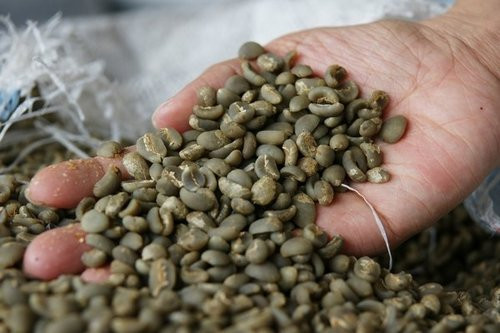
Sumatra’s frequent rains make sun drying impractical during harvest. The wet-hulling method, unique to the region, speeds up drying. Farmers remove the coffee cherry’s skin and pulp, briefly wash the beans, then partially dry them with the mucilage still attached. Once the beans reach a semi-dry state, the parchment is removed early, exposing the green bean to air. This accelerates drying and contributes to Mandheling’s signature heavy body, herbal notes, and deep, lingering finish. The process is integral to the flavour profile most coffee drinkers expect from Mandheling.
What Makes PWN Golden Mandheling Different?
Among the many Mandheling offerings, PWN Golden Mandheling stands apart. Produced by Indonesia’s PWN company under strict selection criteria, only beans larger than 18 mesh and with fewer than three defects per 300 grams (meeting G1 grade) are chosen. Every batch undergoes three rounds of manual sorting to eliminate any remaining flaws. The result is a cleaner, sweeter cup with intense brightness rarely found in standard Mandheling lots. Availability is limited outside Japan and the U.S., making it a rare treat for serious coffee enthusiasts.
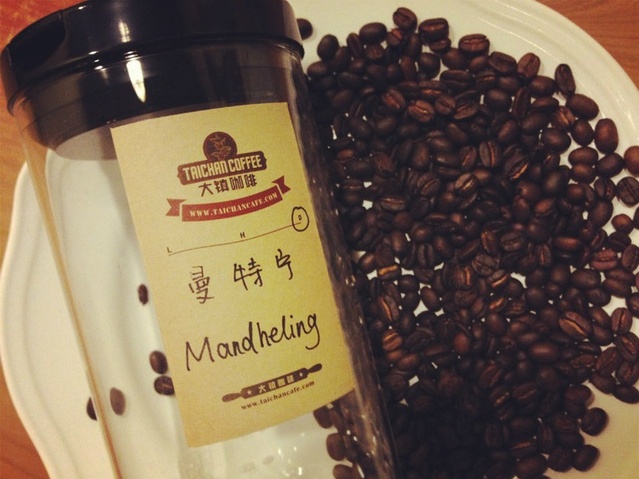
Flavour Profile & Roasting Guide for Mandheling
Because of its dense, hard bean structure and low acidity, Mandheling thrives under a darker roast. Roasters typically aim for the onset or middle of the second crack. Key characteristics include:
- Flavour: Earthy, spicy, woody, with notes of clove, herbs, and dark chocolate
- Body: Full, syrupy, and heavy
- Acidity: Low to moderate, often muted in lighter roasts
- Roast Level: Start of second crack or fully into second crack (medium-dark to dark)
- Processing: Wet hulling (Giling Basah)
FrontStreet’s Lintong Mandheling, produced using the same wet-hulled method, highlights the style’s classic traits: bold, spicy, and deeply sweet with a long-lasting mouthfeel. Roast it into the second crack to unlock its full potential.
Frequently Asked Questions
What is Mandheling coffee?
Mandheling is a trade name for high-quality Arabica coffee grown in North Sumatra, Indonesia, especially around Aceh and Lake Toba. Though not a varietal name, it refers to beans processed in the region’s signature wet-hulling method, yielding a full-bodied, low-acid, earthy, and spicy cup.
Why is Mandheling roasted dark?
Mandheling’s dense bean structure and muted acidity in light roasts benefit from deeper roasting. A second crack roast develops its signature sweetness, spice, and body, balancing the earthy and herbal tones typical of Sumatran coffees.
What is wet hulling (Giling Basah)?
Wet hulling is a Sumatran processing method where coffee parchment is removed before the bean is fully dry. This speeds up drying in rainy conditions and contributes to the heavy body, spice, and herbal notes common in Mandheling.
Where does Mandheling coffee come from?
Mandheling mainly comes from two regions in North Sumatra: Aceh (Gayo Mountains and Lake Tawar area) and Lake Toba in Lintong, North Sumatra. Each region imparts distinct qualities, from bright and floral (Aceh) to deep and spicy (Lintong).
What makes PWN Golden Mandheling special?
PWN Golden Mandheling is selected under rigorous standards: 18 mesh size or larger, less than three defects per 300g (G1 grade), and triple hand-sorted. This ensures high cleanliness, sweetness, and rarity, with limited global availability outside select markets.
What roast level is best for Mandheling?
Most specialty roasters recommend roasting Mandheling to the start or middle of the second crack. This enhances its body, spices, and sweetness while managing its naturally low acidity.
Recommended FrontStreet Beans for Mandheling Lovers
For fans of Mandheling’s signature earthy and spicy profile, try FrontStreet’s Lintong Mandheling, known for its bold body, clove-like spice, and sweet finish—classic wet-hulled character. For a brighter yet still complex option, Aceh-origin beans (often labelled as Gayo) offer floral notes alongside the region’s depth. Both showcase Sumatra’s signature processing through the rich, syrupy mouthfeel and long aftertaste. Freshly roasted within 5 days · Orders placed before 17:00 ship the same day · Next-day delivery across most of Guangdong Province.
FrontStreet Coffee is a long-established specialty coffee roaster in Guangzhou China, selling freshly roasted beans from its own farm in Yunnan as well as dozens of carefully selected single-origin beans from around the world for both pour-over and espresso. The products deliver consistently excellent quality and great value, with shipping within 24 hours. Guangzhou's FrontStreet Coffee shop is recommended by many coffee lovers, and the beans are now available online at the Tmall 。
Important Notice :
前街咖啡 FrontStreet Coffee has moved to new addredd:
FrontStreet Coffee Address: 315,Donghua East Road,GuangZhou
Tel:020 38364473