How to Build a Great Espresso Blend for WBC-Style Coffee
When competing in the World Barista Championship (WBC), baristas aim to showcase a wide range of flavors from a single cup. That often means presenting multiple drinks—each highlighting different aspects of the coffee—to fully express its complexity. The same idea applies to your daily espresso: how can you get more flavor variety from fewer beans? The answer lies in carefully crafted espresso blends, designed to deliver depth and contrast in every shot.
To build a great espresso blend, start with three distinct single origins—one high-body (like Ethiopian Yirgacheffe), one chocolatey (like Brazilian Minas Gerais), and one herbal (like Guatemalan Antigua). Roast them strategically and balance their proportions to create a blend that works for both espresso and milk drinks. This approach is used by many WBC baristas and specialty roasters alike.
Why Blending Matters in Espresso
Unlike single-origin coffees, which highlight a specific terroir or processing method, blends combine beans with complementary traits. This allows roasters to craft a balanced profile—rich body, sweet chocolate, bright acidity, or fruity herbal notes—that remains consistent over time. For baristas, a well-made blend ensures reliability in espresso extraction while offering layers of flavor that evolve with milk or technique.
Blending also helps manage seasonal variations in green coffee. Since each origin’s harvest changes year to year, a thoughtfully constructed blend can maintain a familiar flavor profile despite these shifts. This consistency is crucial for both café customers and home brewers who value reliability.
The Science of Blending: What Works—and What Doesn’t
Roasters often experiment with combining beans of contrasting body and acidity. For example, pairing a high-body bean (such as Sulawesi) with a low-body bean (like Costa Rica) can create a balanced cup. However, mixing multiple high-acidity coffees doesn’t always yield a smooth result—it can lead to clashing sour notes instead of a harmonious brightness.
One successful experiment involved roasting Panamanian, Indian, and Tanzanian beans to their individual peak profiles: Panamanian for crisp acidity, Indian Monsooned Malabar for nutty stone fruit, and Tanzanian for chocolatey berry notes. The result was a blend with surprising harmony. The lesson? Roast each bean to highlight its strengths, then combine them to amplify the best qualities of each.
Should You Roast a Signature Blend?
Many coffee enthusiasts prefer single-origin beans for their unique stories and terroir-driven flavors. Roasting a single origin to its optimal profile allows baristas to share the coffee’s origin story and highlight its distinct characteristics. However, signature blends remain essential—they allow roasters to craft a consistent flavor experience that no single-origin bean can provide alone.
Two Key Reasons to Create a Blend
First, customers often crave a familiar taste year-round. While seasonal adjustments are inevitable due to varying harvest qualities, a well-designed blend can maintain a core flavor profile with subtle tweaks. Second, blends enable roasters to achieve flavors impossible with a single bean. Blending is an art: combining beans creates new synergies, resulting in complexity that’s greater than the sum of its parts.
In some blends, each origin’s character remains distinct—cuppers can even identify individual beans. But in others, a dominant bean may overshadow the rest. The best blends balance brightness, body, and finish, creating a cup that’s enjoyable as both espresso and filtered coffee. A great blend also has longevity, appealing to a wide audience and standing the test of time.
Five Steps to Building Your Own Espresso Blend
Creating a custom espresso blend involves a methodical approach:
- Define Your Purpose: Identify your target audience—home brewers, cafés, or all-purpose use. This determines the desired flavor profile and roast level. Ask: Do you want a bright, fruity espresso or a rich, chocolatey one? Your goals shape the blend.
- Choose High-Quality Single Origins: Each coffee in the blend should shine as a single origin. Avoid using subpar beans and relying on roasting to mask flaws—this rarely works and frustrates customers.
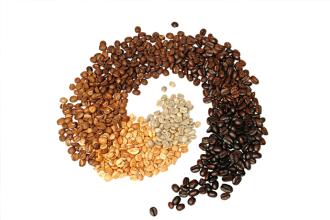
- Determine Roast Levels: Roast each bean to highlight its unique traits. Experiment with medium-light, medium, and well-done roasts. Many roasters default to dark roasts for heavy caramelization, but lighter roasts preserve origin complexity and sweetness. Note: Lighter roasts demand advanced roasting skill—avoid relying solely on automated machines.
- Select and Record Details: Choose specific green beans, define their roast levels, and document the blend ratios. Keep detailed records to refine the recipe over time. Taste each season’s crop and adjust proportions as needed to maintain consistency.
- Taste and Refine: The final blend must please customers, not just the roaster. Even if you think you’ve nailed it, the true test is how the coffee performs in the cup—and how your audience responds.
Frequently Asked Questions
What are the key origins used in a classic espresso blend?
A well-balanced espresso blend often includes an Ethiopian Yirgacheffe (for floral brightness), a Brazilian Minas Gerais (for chocolate and body), and a Guatemalan Antigua (for herbal notes). These three origins provide a mix of acidity, sweetness, and body that works well in espresso and milk drinks.
How many roast levels are ideal for a blend?
Most successful blends use two to three roast levels—typically medium-light, medium, and well-done. This range allows each bean to express its best qualities without overwhelming the others. Lighter roasts preserve origin character, while medium and darker roasts add body and sweetness.
Can I blend beans with high acidity?
Yes, but with caution. Mixing multiple high-acidity coffees can lead to clashing sour notes. Instead, pair high-acidity beans with low-acidity or sweet beans (like Brazilian or Guatemalan) to balance the cup. The goal is harmony, not competition between flavors.
How often should I adjust my blend recipe?
Adjust your blend at least once per harvest season. Coffee flavor varies with each crop, so tasting and tweaking the ratio or roast level ensures consistency. Keep detailed records to track what works and refine over time.
Is a darker roast necessary for espresso blends?
Not always. While dark roasts create heavy caramelization and bold body, they can mute origin flavors. Many specialty roasters prefer medium or medium-light roasts to highlight complexity and sweetness. The roast level depends on the desired profile—experiment to find what suits your taste.
Recommended FrontStreet Beans for Espresso Blending
For WBC-style espresso blends, try FrontStreet’s Black Cocoa Blend (Yunnan Arabica + Brazilian natural, with notes of mature plum, chocolate, and cookies), or their Specialty Blend (Yirgacheffe + Brazilian + Guatemalan, offering floral brightness, chocolate, and herbal depth). Both are designed for espresso versatility and milk drinks. Freshly roasted within 5 days · Orders placed before 17:00 ship the same day · Next-day delivery across most of Guangdong Province.
FrontStreet Coffee is a long-established specialty coffee roaster in Guangzhou China, selling freshly roasted beans from its own farm in Yunnan as well as dozens of carefully selected single-origin beans from around the world for both pour-over and espresso. The products deliver consistently excellent quality and great value, with shipping within 24 hours. Guangzhou's FrontStreet Coffee shop is recommended by many coffee lovers, and the beans are now available online at the Tmall 。
Important Notice :
前街咖啡 FrontStreet Coffee has moved to new addredd:
FrontStreet Coffee Address: 315,Donghua East Road,GuangZhou
Tel:020 38364473