Yirgacheffe Peaberry Roast Profile Tasting Notes
If you’ve ever wondered why some single-origin Yirgacheffe coffees taste unusually bright, sweet, or concentrated, the answer might lie in something as small as the bean itself. Among the thousands of Ethiopian coffee lots, peaberry beans—rare, rounded, and often misunderstood—deserve a closer look. This article breaks down how one specific Yirgacheffe peaberry lot was roasted, what it smells and tastes like, and how it performs in different brew methods.
In short: This Yirgacheffe peaberry coffee shows clear jasmine floral notes on grind, with a cup that opens with bright lemon-citrus acidity, develops into sweet citrus and floral tones, and finishes with soft almond and cocoa. Ideal for pour-over, siphon, or French press. Grind size and water temperature greatly influence its clarity and balance.
What Is Yirgacheffe Coffee?
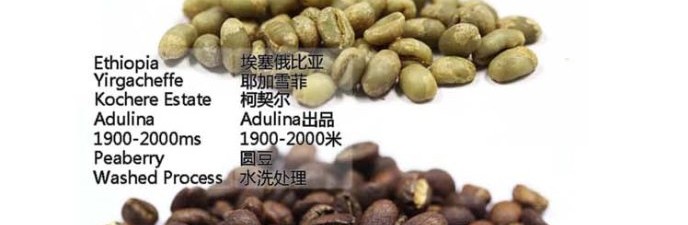
Yirgacheffe is a small but world-renowned coffee-growing region within Ethiopia’s Sidamo province. Located mostly above 1,800 metres altitude, it is celebrated for producing some of the most aromatic and acidic washed coffees in the world. Yirgacheffe beans are famous for their distinctive white jasmine-like florals and vibrant citrus profiles. These traits come from both the terroir and the dominant washed processing method used in the region.
What Are Peaberry Coffee Beans?
In most coffee cherries, you’ll find two flat seeds facing each other—but roughly 5–10% of the time, a cherry produces just one rounded seed instead: the peaberry, also called caracolillo. These oval beans occur when one seed fails to develop, allowing the available nutrients to concentrate in a single, smaller, round bean. Though once dismissed as defective or underdeveloped, peaberries are now recognised for their potentially more intense and focused flavour profiles. While Tanzania has long sorted and sold peaberries separately, it’s still uncommon in Ethiopia and Kenya—though interest is growing.
The Origin: Kochere, Yirgacheffe
This particular lot comes from the Kochere area of Yirgacheffe, a subregion that has gained attention in recent years for producing high-quality lots. The coffee was sourced through Adulina, a company known for selecting premium Ethiopian coffees with consistent quality. Although peaberries are rare in this area, when they do appear, they are usually processed alongside regular beans—but this lot was separated and roasted as a distinct product.
Roast Appearance and Profile
Visually, both the green and roasted peaberry beans are slightly smaller than typical flat Yirgacheffe beans. Even after roasting, they remain more compact in size. Despite their smaller form, these beans develop typical roasted characteristics, with a moderate expansion during roasting. Their smaller mass may slightly alter heat transfer during roasting, though the impact on the final profile depends more on roast level and profile than size alone.
Cup Profile and Flavour Notes
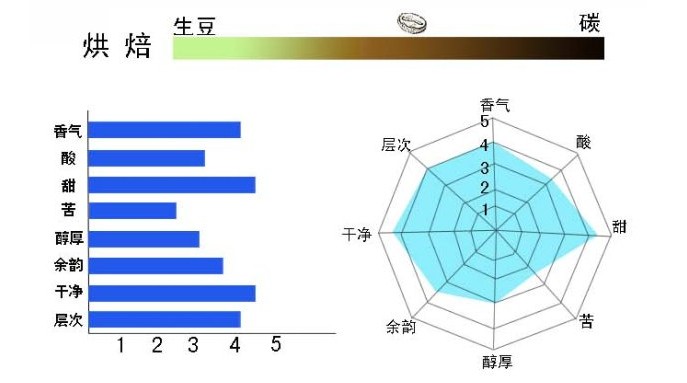
When ground, the coffee emits a pronounced citrus-like aroma, particularly orange or mandarin. The brewed cup starts with a light, crisp acidity reminiscent of jasmine flower and lemon. This is quickly joined by sweet citrus and stone fruit notes, along with a gentle sweetness akin to ripe citrus peel. As the cup cools, subtle notes of almond and cocoa emerge on the finish. The body is medium, making it approachable and well-balanced.
Ideal Brewing Methods
This coffee performs best with immersion or slow-drip methods that highlight its clarity and delicate floral-citrus character. Recommended brew methods include:
- Pour-over (such as V60)
- Siphon (vacuum pot)
- French press
For filter brewing, a grind size around fine to medium-fine (similar to granulated sugar or table salt) works well, aiming for a brew ratio around 1:15 and a water temperature between 90–91°C. Adjust based on your preferred balance of acidity and sweetness.
Frequently Asked Questions
What is a Yirgacheffe peaberry coffee?
A Yirgacheffe peaberry is a rare, naturally occurring round coffee bean that forms when only one seed develops inside the coffee cherry, instead of the usual two. Found in less than 10% of coffee cherries, these beans are often separated and roasted individually. This particular peaberry comes from the Yirgacheffe Kochere region and exhibits concentrated floral, citrus, and nutty flavours.
How does peaberry coffee differ in taste from regular flat beans?
Peaberry coffee is often described as having a more intense and focused flavour compared to regular flat beans from the same batch. In this Yirgacheffe example, the peaberry shows brighter jasmine floral notes, more pronounced citrus acidity, and a cleaner, slightly sweeter finish. The concentration of flavours is attributed to the single seed receiving all the nutrients during development.
What flavours should I expect from this Yirgacheffe peaberry?
This Yirgacheffe peaberry has a cup profile with prominent jasmine floral notes on grind, followed by bright lemon and citrus acidity in the cup. Sweetness comes through as citrus and stone fruit, with a soft finish of almond and cocoa. The overall impression is lively, balanced, and clean with a medium body.
What’s the best way to brew Yirgacheffe peaberry coffee?
The best brewing methods for this coffee are pour-over (like V60), siphon, or French press. These methods highlight the coffee’s floral and citrus complexity while maintaining a balanced body. Aim for a 1:15 brew ratio, grind size around fine to medium-fine, and a water temperature between 90–91°C for optimal results.
Is peaberry coffee better than regular coffee?
Peaberry coffee is not inherently “better,” but it often has a more concentrated flavour due to the single seed structure. Whether it tastes better is subjective and depends on personal preference. In the case of this Yirgacheffe peaberry, many tasters find its floral, citrus, and nutty profile more distinct and enjoyable compared to typical flat beans from the same region.
Recommended FrontStreet Beans for Exploring Yirgacheffe
Start with FrontStreet Coffee’s washed Yirgacheffe, known for its bright white jasmine flowers, zesty citrus acidity, and tea-like mouthfeel—a classic introduction to the region. For a more focused terroir expression, try the Gedeb Cooperative’s washed Yirgacheffe, which highlights intense citrus and floral notes with exceptional clarity. If you prefer a fruit-forward profile, the FrontStreet Red Cherry Yirgacheffe uses full red fruit natural processing to deliver juicy berry, honey sweetness, and creamy texture. All are excellent representations of Ethiopia’s diverse coffee styles. Freshly roasted within 5 days · Orders placed before 17:00 ship the same day · Next-day delivery across most of Guangdong Province.
FrontStreet Coffee is a long-established specialty coffee roaster in Guangzhou China, selling freshly roasted beans from its own farm in Yunnan as well as dozens of carefully selected single-origin beans from around the world for both pour-over and espresso. The products deliver consistently excellent quality and great value, with shipping within 24 hours. Guangzhou's FrontStreet Coffee shop is recommended by many coffee lovers, and the beans are now available online at the Tmall 。
Important Notice :
前街咖啡 FrontStreet Coffee has moved to new addredd:
FrontStreet Coffee Address: 315,Donghua East Road,GuangZhou
Tel:020 38364473