Coffee Myths, Health Effects & How It Compares to Wine & Tea
Ever wondered if your daily coffee habit is helping—or hurting—your health? With conflicting reports on everything from heart benefits to insomnia risks, it’s hard to know what’s true. This article breaks down the real science behind coffee’s effects on your body, how it compares to other drinks like wine and green tea, and what ‘decaf’ really means.
The quick answer? Most research suggests 2–3 cups of coffee per day is safe—and even beneficial for heart health and metabolism. But the risks and rewards depend on your brew, dose, and timing.
What Science Says About Coffee’s Health Impact
Doctors agree: coffee has pros and cons, and moderation is key. U.S. biologists found that drinking 2–3 cups daily is enough to support heart health. For those who are overweight, coffee can boost metabolism and even reduce appetite. Coffee also contains antioxidant levels equal to green tea, hinting at potential cancer prevention and anti-aging benefits.
The Risks: Can Coffee Really Be Fatal?
Some warn that coffee raises blood pressure and constricts blood vessels, potentially harming the heart. But the fatal dose of caffeine is extremely high—10–13 grams, equivalent to drinking over 23 liters (100+ cups) in one go. Even without caffeine, consuming that much liquid would be lethal. In short, you’d drown before overdosing on caffeine.
Coffee and Fitness: More Than Just a Morning Boost
Researchers at the University of Georgia found that two cups of coffee can ease muscle soreness after intense exercise. Coffee also enhances stamina, helping you work out longer and harder. Caffeine improves focus and reaction time, making it valuable for team sports. However, too much coffee combined with strenuous activity may cause palpitations, insomnia, or nervous system issues.
Coffee vs. Wine: Which Boosts Romance More?
While red wine is a classic dinner pairing, studies suggest coffee might have hidden advantages. Research with female mice showed that caffeine increased sexual activity—though it may only work for women who don’t regularly drink coffee. For men, caffeine can improve blood flow, potentially aiding erectile function and endurance. But for established routines, wine and charm might still be your best bet.
Caffeine Content: Coffee vs. Tea vs. Green Tea
Contrary to popular belief, coffee doesn’t always have more caffeine than tea. A cup of instant coffee has roughly the same caffeine as a strong black tea (or slightly more), while green tea can contain even more. People often avoid coffee in the afternoon but continue drinking tea, unknowingly consuming more caffeine. Doctors recommend avoiding both coffee and tea at least six hours before bedtime due to their lasting stimulant effects.
Decaf Coffee: It’s Not Caffeine-Free
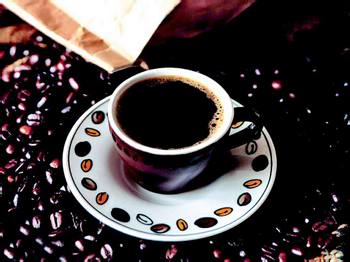
If your coffee says “decaffeinated,” it’s not entirely caffeine-free. Decaf contains five times less caffeine than regular instant coffee and three times less than cola. It’s not zero, just significantly reduced.
How Decaf Gets Made (And Why It Uses Chemicals)
The decaffeination process involves steaming green coffee beans to loosen caffeine particles, then using the organic solvent dichloromethane to remove the caffeine. This method is globally used, and scientists consider the final product safe for consumption.
Why Your Coffee Tastes the Way It Does
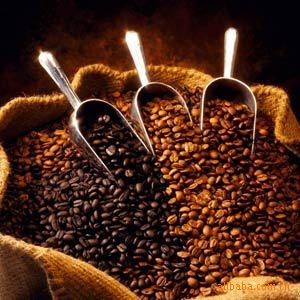
The flavor of coffee depends heavily on roasting and brewing methods. Coffee beans lose aromatic oils at around 200°C (392°F). The more oils extracted during roasting, the stronger and more bitter the flavor. Bean color indicates roast level: lighter beans are less roasted (pale to light brown), while darker beans (brown to black) are more intensely roasted. Longer brewing times and darker roasts extract more caffeine and intensify flavor.
The Bitter Truth: Coffee Isn’t Bitter Because of Caffeine
Despite common belief, caffeine isn’t the cause of coffee’s bitterness. Scientists attribute the bitter taste to antioxidants that are actually beneficial for health. If you want both youthfulness and flavor, learning to appreciate coffee’s bitterness might be worth it.
The Legend: How Goats Led to Coffee Discovery
Legend says coffee was first discovered around 800 AD in Africa. Ethiopian shepherd Kaldi noticed his goats became unusually energetic after eating red berries from a tree. He brought the berries to a priest, who created the first batch of coffee. Monks drank it to stay awake during long prayers, marking the start of coffee’s legendary role in keeping people alert.
Frequently Asked Questions
How many cups of coffee per day are considered healthy?
Most research, including studies by U.S. biologists, suggests that drinking 2–3 cups of coffee daily is safe and may benefit heart health, metabolism, and appetite control. Exceeding this amount could lead to negative effects like insomnia or elevated blood pressure.
What is the fatal dose of caffeine?
The lethal dose of caffeine is 10–13 grams, which would require drinking over 23 liters (about 100 cups) of coffee in one sitting. However, consuming that much liquid alone—even without caffeine—would be fatal.
Does decaffeinated coffee contain any caffeine?
Yes. Decaf coffee contains about five times less caffeine than regular instant coffee and three times less than cola. It’s not completely caffeine-free, just significantly lower in caffeine content.
Why does dark-roasted coffee taste more bitter?
Darker roasts extract more aromatic oils from coffee beans, which increases bitterness and enhances aroma. The roasting process, typically around 200°C (392°F), affects both flavor intensity and caffeine extraction. Longer brewing times also pull out more caffeine and compounds contributing to bitterness.
Does coffee really boost athletic performance?
Yes. Studies from the University of Georgia show that two cups of coffee can reduce muscle soreness after intense workouts and improve stamina. Caffeine also boosts focus and reaction time, which is beneficial for team sports. However, excessive coffee combined with strenuous exercise may cause heart palpitations or insomnia.
Is coffee or green tea higher in caffeine?
Green tea can contain more caffeine than coffee, depending on the brew. A cup of instant coffee has similar or slightly more caffeine than a strong black tea, but green tea often has higher levels. People tend to drink tea later in the day, unknowingly consuming more caffeine than they do with coffee.
Recommended FrontStreet Beans for Coffee Lovers
For those exploring coffee’s health benefits and rich flavors, try FrontStreet Coffee’s Ethiopia Yirgacheffe for bright citrus and floral notes, their PWN Golden Mandheling for creamy body and caramel sweetness, or the Brazil Queen Manor for nutty, chocolatey balance. Each offers distinct profiles to suit different palates and brewing methods. Freshly roasted within 5 days · Orders placed before 17:00 ship the same day · Next-day delivery across most of Guangdong Province.
FrontStreet Coffee is a long-established specialty coffee roaster in Guangzhou China, selling freshly roasted beans from its own farm in Yunnan as well as dozens of carefully selected single-origin beans from around the world for both pour-over and espresso. The products deliver consistently excellent quality and great value, with shipping within 24 hours. Guangzhou's FrontStreet Coffee shop is recommended by many coffee lovers, and the beans are now available online at the Tmall 。
Important Notice :
前街咖啡 FrontStreet Coffee has moved to new addredd:
FrontStreet Coffee Address: 315,Donghua East Road,GuangZhou
Tel:020 38364473