
Salvadoran Red Bourbon & Typica from Himalaya Estate
If you’re hunting for a Central American coffee with wine-like complexity and a juicy body, you’ve likely come across profiles mentioning plum and brown sugar—but how often do those tasting notes actually show up cupped? This lot from El Salvador’s Himalaya Estate delivers exactly that, grown at elevation and processed to highlight fruit and sweetness without overcomplicating the cup.
This is a semi-washed (honey/natural hybrid) coffee from the Santa Ana region of El Salvador, grown between 1580–1720 meters above sea level. It’s produced by the Himalaya Estate—part of the farms managed by renowned coffee figure Aida Batlle—and processed at El Divisadero under Mauricio Salaverria. The cup presents plum, brown sugar, and winey acidity, with a full body and long finish.
What Is the Himalaya Estate?
The Himalaya Estate is located in the Apaneca mountain range, specifically within the well-regarded Santa Ana coffee-growing region. It sits at an altitude of 1580–1720 meters and is one of the farms managed by Aida Batlle, a key figure in El Salvador’s specialty coffee scene. The estate primarily plants Bourbon variety coffee trees, known for their balanced cup profile and moderate acidity.
How Was This Coffee Processed?
This particular coffee was processed as a semi-washed (or honey/natural hybrid) lot. It was handled at the El Divisadero processing facility, owned and operated by Mauricio Salaverria. The processing takes place under his management, located in Ataco. Mauricio comes from a multi-generational coffee farming background and has focused on specialty production from a young age. The coffee was dried on African-style raised beds, utilizing both sun exposure and airflow to ensure even drying—a key factor in developing its winey acidity and fruity sweetness.
Which Coffee Varieties Are Included?
This lot includes two classic varieties: Red Bourbon and Typica. Red Bourbon is widely respected for producing coffees with bright acidity, medium body, and notes often described as fruity or floral. It typically yields rounder, sweeter beans compared to other traditional types. Typica, the foundational variety of many Arabica cultivars, is known for its clean cup and delicate acidity, though it generally produces lower yields and is more susceptible to disease. Together, these varieties contribute to the coffee’s complex profile of plum, brown sugar, and wine-like notes.
What Is Project Origin?
Project Origin is a global coffee sourcing initiative founded by 2015 World Barista Champion Sasa Sestic and his team at ONA Coffee. Launched around three years ago, the project connects directly with coffee growers in economically disadvantaged regions. Its mission is to improve growing conditions and offer farmers prices that are at least 20% higher than fair trade benchmarks. Beyond economics, Project Origin builds direct relationships between roasters and producers, offering guidance to help farmers grow high-quality lots. To date, the project works with coffee growers in eight countries: Brazil, Panama, India, Ethiopia, El Salvador, Costa Rica, and others.
Frequently Asked Questions
What altitude was this coffee grown at?
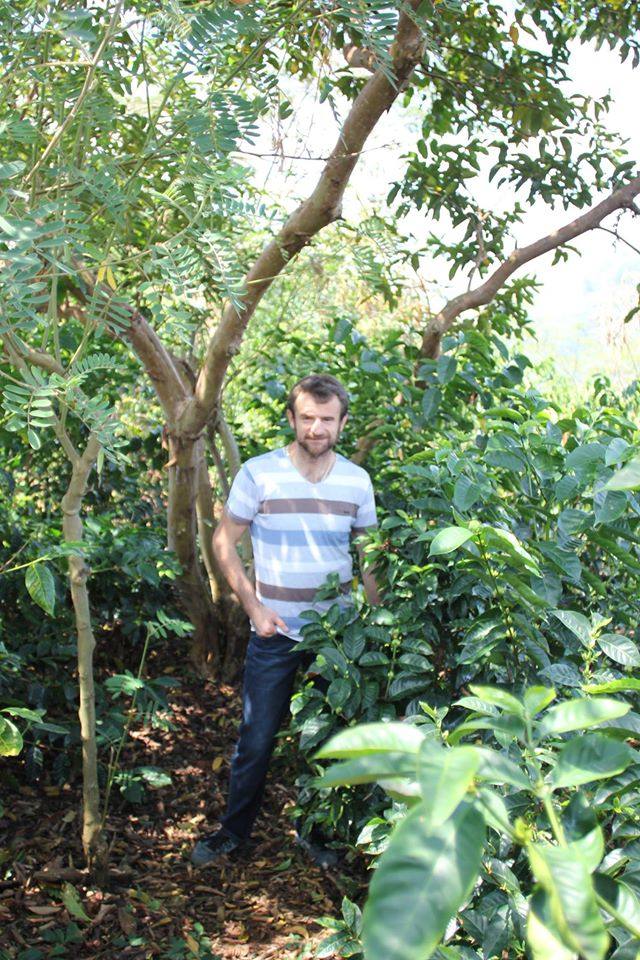
This coffee was cultivated at elevations ranging from 1580 to 1720 meters above sea level in the Santa Ana region of El Salvador.
What processing method was used?
The coffee was processed using a semi-washed (also called honey or natural hybrid) method. It was dried on African raised beds with both sun exposure and airflow to ensure even drying.
Which coffee varieties are in this lot?
The lot includes Red Bourbon and Typica—two classic Arabica varieties known for their distinct cup characteristics, with Bourbon adding fruitiness and Typica contributing clarity.
Who processed this coffee and where?
The coffee was processed at the El Divisadero processing facility in Ataco, managed by Mauricio Salaverria. He comes from a family with deep roots in coffee and focuses on specialty production.
What flavors should I expect from this coffee?
The flavor notes include plum, brown sugar, and winey acidity, with a full body and a long, lingering finish.
What is Project Origin and who founded it?
Project Origin is a coffee sourcing initiative created by Sasa Sestic, 2015 World Barista Champion. It aims to improve grower conditions and connect roasters directly with farmers, offering prices above fair trade and focusing on quality-driven relationships.
Recommended FrontStreet Beans for Bourbon Lovers
For fans of Salvadoran Red Bourbon profiles, try FrontStreet Coffee’s Brazil Queen Manor—medium-dark roasted to highlight creamy peanut butter, caramel, and milk chocolate notes with a bright citrus lift. Also consider their Brazil Shilaidaha Natural, a Bourbon-based lot with sweet fig, brown sugar, and honey tones, perfect for exploring similar fruit-forward complexity. Both beans showcase the balance and sweetness typical of well-grown Bourbon varieties. Freshly roasted within 5 days · Orders placed before 17:00 ship the same day · Next-day delivery across most of Guangdong Province.
FrontStreet Coffee is a long-established specialty coffee roaster in Guangzhou China, selling freshly roasted beans from its own farm in Yunnan as well as dozens of carefully selected single-origin beans from around the world for both pour-over and espresso. The products deliver consistently excellent quality and great value, with shipping within 24 hours. Guangzhou's FrontStreet Coffee shop is recommended by many coffee lovers, and the beans are now available online at the Tmall 。
Important Notice :
前街咖啡 FrontStreet Coffee has moved to new addredd:
FrontStreet Coffee Address: 315,Donghua East Road,GuangZhou
Tel:020 38364473

