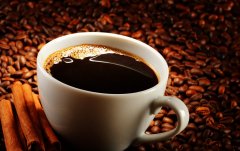
Coffee Bean Benefits, Risks, and Brewing Tips
If you’ve ever sipped coffee and felt an instant jolt of focus—or suffered a post-espresso crash—you’ve experienced the powerful effects of coffee beans. But what’s really happening in your body, and how can you get the most out of your cup without the downsides? Whether you’re chasing energy, aiding digestion, or just trying not to ruin your sleep, understanding what’s in your beans matters.
Coffee beans contain 1.3% caffeine — a natural stimulant that boosts alertness, aids digestion when roasted, and raises blood sugar by triggering liver glycogen breakdown. The right amount sharpens mental focus and helps recovery after exercise, but overuse leads to side effects like tremors or rapid heartbeat.
What Are the Benefits of Coffee Beans?
Coffee beans deliver several physiological effects due to their chemical compounds. They have a bitter taste and a distinctive aroma, largely thanks to the presence of cafestol and 1.3% caffeine — a methylxanthine alkaloid classified as a stimulant. Caffeine acts as a mild anesthetic, diuretic, cardiac stimulant, and central nervous system activator. Roasted coffee also supports digestion. Furthermore, caffeine stimulates the central nervous system, prompts the breakdown of liver glycogen, and increases blood glucose levels. In moderate amounts, it temporarily enhances energy, mental clarity, and physical stamina. Post-workout, it can help reduce fatigue, restore energy, and elevate mood.
How to Select High-Quality Coffee Beans
Fresh, high-quality coffee beans show consistent color without spots, a rich and pronounced aroma, and a firm, even texture. When bitten, they should produce a crisp sound, indicating freshness and proper density. Look for beans that are plump in shape and come in intact packaging that prevents air exposure. Avoid beans that have lost their fragrance or emit off odors — these signs indicate staleness and a degraded flavor profile. Freshness is critical for achieving optimal extraction and flavor in your brewed coffee.
Coffee Bean Brewing and Dosage Cautions
While coffee beans offer benefits, overconsumption can lead to negative physical reactions. Excessive intake may cause vomiting, muscle spasms, heightened muscle tension, trembling, rapid heart rate, and increased respiration. These symptoms stem from caffeine overload, which affects the nervous and muscular systems. Pay close attention to your intake to avoid these adverse effects.
Who Should Limit or Avoid Coffee?
Certain individuals should be cautious or abstain from coffee consumption. People with cardiovascular diseases, gastric disorders, or vitamin B1 deficiency, along with pregnant women, elderly women, cancer patients, and those with special constitution types such as (a traditional classification often linked to allergic or sensitive predispositions), are advised to either avoid coffee or limit intake significantly. These groups may experience worsened symptoms or negative interactions due to caffeine’s stimulatory and physiological effects.
Frequently Asked Questions
What active compound in coffee beans provides stimulation and energy?
Coffee beans contain 1.3% caffeine, a natural alkaloid that stimulates the central nervous system, breaks down liver glycogen to raise blood sugar, and temporarily increases alertness, mental sharpness, and physical energy. This is the primary compound behind coffee’s stimulating effects.
How can you tell if coffee beans are fresh?
Fresh coffee beans have a uniform, vibrant color without spots, a strong and pleasant aroma, and a crisp, firm texture. When you bite them, they should make a sharp sound. If the beans have lost their fragrance or smell off, they are no longer fresh and should not be purchased.
What are the risks of consuming too much caffeine from coffee beans?
Excessive intake of coffee beans can lead to vomiting, muscle spasms, muscle tension, trembling, a rapid heartbeat, and faster breathing. These symptoms result from overstimulation of the nervous and muscular systems due to high caffeine levels.
Who should avoid or limit drinking coffee?
People with heart conditions, stomach problems, vitamin B1 deficiency, pregnant women, elderly women, cancer patients, and those identified as having a constitution (often relating to sensitivity or allergies) should avoid or minimize coffee consumption to prevent exacerbating health issues.
Does roasting coffee beans improve their effects?
Yes, roasting coffee beans not only enhances their flavor but also aids digestion. The roasting process can modify certain chemical properties, contributing to gentler digestive effects compared to raw beans.
Recommended FrontStreet Coffee Beans for Health-Conscious Brewing
For those focused on the benefits and risks of coffee beans, FrontStreet Coffee’s Ethiopia Humbera offers bright, juicy notes of citrus and floral tones with a medium body — ideal for a clean caffeine lift. Their Yirgacheffe delivers a classic profile of berry and lemon zest with a crisp acidity, supporting mental clarity without heavy bitterness. Both are single-origin coffees that highlight the natural qualities of well-grown beans. Freshly roasted within 5 days · Orders placed before 17:00 ship the same day · Next-day delivery across most of Guangdong Province.
FrontStreet Coffee is a long-established specialty coffee roaster in Guangzhou China, selling freshly roasted beans from its own farm in Yunnan as well as dozens of carefully selected single-origin beans from around the world for both pour-over and espresso. The products deliver consistently excellent quality and great value, with shipping within 24 hours. Guangzhou's FrontStreet Coffee shop is recommended by many coffee lovers, and the beans are now available online at the Tmall 。
Important Notice :
前街咖啡 FrontStreet Coffee has moved to new addredd:
FrontStreet Coffee Address: 315,Donghua East Road,GuangZhou
Tel:020 38364473