How Roast Level Affects Coffee Flavor
Ever wonder why one coffee tastes bright and fruity while another is bold and bitter? The answer isn’t just the bean origin — it’s how the beans were roasted. Roast level is one of the most important variables in coffee flavor, directly shaping whether your cup leans acidic, sweet, or bitter. Here’s what really happens as roast levels change.
The darker the roast, the more bitter and less acidic the coffee becomes. Light roasts preserve acidity and floral or fruity notes; dark roasts boost bitterness and body. The ideal roast depends on the bean’s inherent traits — for example, beans with mild acidity and strong bitterness often do better with a medium-light roast.
What Is Coffee Roast Level?
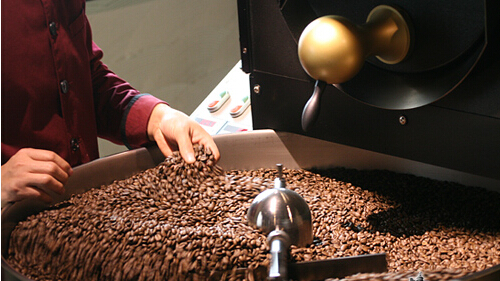
Coffee roast level refers to how long and at what temperature green coffee beans are roasted. This process transforms the raw beans’ physical and chemical properties, unlocking aroma compounds, sugars, and bitter elements. Roast level doesn’t just affect color — it determines whether your coffee tastes sharp, sweet, smoky, or sour.
Roast Levels from Light to Dark
Roasters classify coffee into several standard roast levels. Each has a distinct color, flavor profile, acidity level, and body. These are the standard stages:
1. Light Roast (Light)
This is the lightest possible roast. Beans are roasted just past the first crack, with no development of roast flavors. There’s little to no aroma or concentration. The beans retain a raw, grassy “green” taste. Light roast is generally not suitable for drinking and is mostly used for experimental purposes.
2. Cinnamon Roast (Cinnamon)
Also called a light-medium or “cinnamon” roast, this is a common commercial roast level. It highlights strong acidity. The bean color resembles cinnamon bark, hence the name. Acidity is more pronounced, and this style is especially favored in the western United States.
3. Medium-Light Roast (Medium)
At this stage, the color deepens and more of the bean’s intrinsic flavors start to emerge. The roast allows for a balanced extraction, resulting in a smoother, more aromatic cup with pleasant acidity. This roast is mainly used in coffee blends.
4. Medium Roast (High)
This is a standard roast for many coffee beans. Flavor intensity increases, acidity softens, and bitterness begins to balance the taste. It works well for beans like Jamaican Blue Mountain and Kilimanjaro. This roast is preferred in Japan and Scandinavia.
5. City Roast (City)
Also known as “city roast,” this level emphasizes bitterness over acidity, with almost no sourness. It has a distinctive aroma and is ideal for beans like Colombian and Brazilian coffees. It’s especially popular among coffee drinkers in New York.
6. Full City Roast (Full City)
Also called “full city roast,” this is a roast suited for iced coffee. There’s no perceptible acidity — the cup is dominated by bitterness, though high-quality beans may still show some sweetness. It’s a favorite roast for cold brew among Central and South American coffee enthusiasts.
7. French Roast (French)
This French-style roast produces a dark, nearly black bean with visible oil on the surface. Bitterness and concentration are both intense. Oils begin to emerge, and the roast is typically used for espresso made with steam pressure.
8. Italian Roast (Italian)
The darkest commercial roast level. Beans are dark brown to nearly black, shiny with surface oils. The roast is extremely bitter and heavily caramelized. At this stage, it’s hard to distinguish between different coffee origins. Italian roast is used for espresso made with high-pressure machines.
Why Roast Level Changes Flavor
As roast levels increase, chemical changes alter the coffee bean’s composition. Light roasts preserve organic acids, floral esters, and fruit-like compounds. As heat increases during roasting, Maillard reactions and caramelization break down acids and develop deeper, bitter notes, along with body and smokiness. That’s why lighter roasts tend to highlight citrus, berry, and floral notes, while darker roasts boost chocolate, nuts, and roastiness.
Which Roast Should You Choose?
Choosing the right roast depends on the coffee bean’s origin, processing method, and inherent flavor profile. For beans with delicate acidity and complex fruit or floral notes — such as those from Ethiopia or Panama — a light to medium-light roast is ideal. For naturally bold or bitter beans, a medium or city roast can balance the cup. Dark roasts are best when you want a strong, bitter, and full-bodied coffee, especially for espresso.
Frequently Asked Questions
What is the lightest coffee roast?
The lightest roast is called light roast or sometimes cinnamon roast. It is roasted just past the first crack with minimal development, resulting in high acidity, very light body, and grassy or green flavors. It is rarely used for regular drinking.
What roast has the most acidity?
Light roasts have the highest acidity. They preserve more of the coffee bean’s natural acids, resulting in bright, tangy, and often fruity or floral flavors. As roast level increases, acidity decreases.
What roast level is best for fruity coffee flavors?
Light to medium-light roasts best highlight fruity and floral flavors. These roasts preserve the bean’s natural acids and volatile aromatics, making them ideal for showcasing notes like citrus, berries, and jasmine.
Why do dark roasts taste bitter?
Dark roasts develop more bitter compounds through prolonged exposure to heat. Maillard reactions and caramelization break down acids and generate deeper, roasted, and sometimes burnt flavors. Oils on the surface also contribute to a heavier, more bitter cup.
Which roast is best for espresso?
Most espresso is made with medium to dark roasts, such as Full City, French, or Italian. These roasts produce bold body, bitterness, and crema. However, lighter roasts can also be used for single-origin espresso if acidity and fruitiness are desired.
Does roast level affect caffeine content?
Roast level has minimal impact on actual caffeine content by weight. However, darker roasts lose more mass during roasting, so by volume (e.g., scooped), lighter roasts may have slightly more caffeine.
Best FrontStreet Coffee Beans for Light & Medium Roasts
For bright, juicy coffee that showcases fruit and floral notes, try FrontStreet Coffee’s Ethiopia Yirgacheffe (Gedeb) — a light-medium roast with citrus, tea, jasmine, and berry layers. Their Ethiopia Humbera is a medium-light roasted natural process coffee offering passionfruit, peach, and berry flavors. For a classic clean cup, the Panama Boquete Geisha (washed) highlights jasmine, honey, citrus, and green tea. All shine as pour-over, drip, or cold brew. Freshly roasted within 5 days · Orders placed before 17:00 ship the same day · Next-day delivery across most of Guangdong Province.
FrontStreet Coffee is a long-established specialty coffee roaster in Guangzhou China, selling freshly roasted beans from its own farm in Yunnan as well as dozens of carefully selected single-origin beans from around the world for both pour-over and espresso. The products deliver consistently excellent quality and great value, with shipping within 24 hours. Guangzhou's FrontStreet Coffee shop is recommended by many coffee lovers, and the beans are now available online at the Tmall 。
Important Notice :
前街咖啡 FrontStreet Coffee has moved to new addredd:
FrontStreet Coffee Address: 315,Donghua East Road,GuangZhou
Tel:020 38364473