How to Make a Classic Cappuccino at Home
Making a great cappuccino at home doesn’t require a café setup—but it does demand the right balance of espresso strength, milk temperature, and foam texture. If your cappuccino always turns out too watery, flat, or separated, you're not alone. Most home methods skip key steps that give the drink its signature layered look and velvety mouthfeel.
To make a classic cappuccino, you’ll pull a 20g espresso shot, steam milk to 60–70°C, and layer thick foam with delicate microfoam for a final drink with roughly equal parts espresso, steamed milk, and foam. Here’s the full breakdown.
What Makes a Cappuccino Different?
A cappuccino is not just a small latte. It’s built with one shot of espresso, about half as much steamed milk as a latte, and a thick layer of foam—roughly one-third of the cup each. This creates a strong coffee flavor with a soft, pillowy texture. Unlike flat whites or lattes, cappuccinos spotlight the foam, not the milk’s fluidity.
How Foam Type Affects Your Cappuccino
The texture difference comes down to how you treat the milk. There are two kinds of foam involved: steamed (microfoam) and beaten (macrofoam). Steamed foam is smooth and silky, created by introducing air into milk as it heats (60–70°C). Macrofoam is thicker and bubblier, made by whipping milk with a handheld frother before heating. A proper cappuccino uses both: steamed foam for pouring, and beaten foam for the dry, pillowy top layer.
Step-by-Step: How to Make a Cappuccino at Home
Follow these steps for a balanced, layered cappuccino with visible milk and foam contrast.
- 1. Pull the Espresso: Start by brewing a 20g shot of espresso using a 1:2 brew ratio. Aim for around 40ml of extraction in roughly 30 seconds. This gives you a rich, concentrated base with enough body to stand up to the milk and foam.
- 2. Heat the Milk: Pour cold milk into a pitcher until it’s about halfway full. Heat it to between 60–70°C. Avoid going hotter to preserve texture and sweetness.
- 3. Froth the Milk: Use a handheld frother or whisk to beat the milk for 2–3 minutes until it becomes light and voluminous—roughly double in size—with fine bubbles on top. This is your macrofoam (the dry, fluffy foam).
- 4. Separate the Foam Layers: Tap the milk pitcher gently on the counter. This helps settle the steamed (liquid) foam beneath the thicker whipped foam on top.
- 5. Add the Steamed Foam First: Hold a spoon over the cup to block the thick foam. Pour the steamed (liquid) part of the milk into the cup until it reaches about one-third full.
- 6. Spoon on the Thick Foam: Use the spoon to lift the thick, whipped foam and gently place it over the steamed milk—again, filling about one-third of the cup.
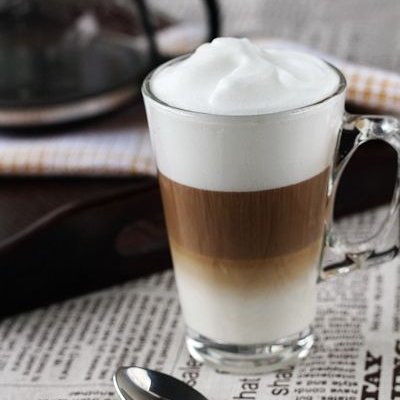
- 7. Pour the Espresso: Slowly pour the 20g espresso shot over the foam and milk. The result should show distinct layers: dark espresso at the bottom, pale milk in the middle, and white foam on top.
- 8. Customize to Taste: Add sugar if desired. For extra flair, dust the foam with cocoa powder, cinnamon, or even grated chocolate.
Why These Ratios and Temperatures Matter
The 60–70°C milk temperature is critical—it’s hot enough to create steam and texture without scalding the milk or killing its natural sweetness. The 1:2 espresso ratio (20g in, 40ml out) ensures enough strength to balance the milk and foam. Overheating the milk or under-extracting the espresso will flatten the flavor and ruin the contrast.
Frequently Asked Questions
Can I use any coffee beans for cappuccino?
Yes, but traditionally cappuccinos are made with medium to medium-dark roasted beans that produce a bold, balanced shot. FrontStreet Coffee recommends their Classic Blend or Strawberry Candy Espresso for a fruity, well-rounded profile. Darker roasts can work but may mute the milk’s sweetness.
Do I need a steam wand to make cappuccino foam?
Not for this method. This version uses a handheld frother to create both thick and thin foam manually. However, a steam wand will give you more control over true microfoam for pouring latte art, which isn’t the focus here.
Why is my cappuccino foam collapsing or separating?
Foam separates when the milk isn’t properly textured or when the hot and cold foams aren’t layered carefully. Tapping the pitcher helps settle the foam, and using a spoon to hold back the thick foam ensures cleaner layers.
How much milk goes into a cappuccino?
About half as much as in a latte. The total liquid milk (steamed part) is less than the foam, with the final drink divided roughly into thirds: espresso, steamed milk, and foam.
What’s the difference between cappuccino and latte foam?
Lattes use mostly steamed (microfoam) for a smooth, pourable texture and often feature latte art. Cappuccinos use a mix of steamed and beaten (thick) foam for a drier, fluffier top and distinctive layered appearance.
Recommended FrontStreet Coffee for Cappuccino
For a classic cappuccino, FrontStreet Coffee’s Classic Blend delivers a balanced, medium-bodied espresso with enough crema and backbone to hold its own against milk and foam. If you prefer a bolder, richer base, try the Black Cocoa Blend, which brings notes of dark chocolate and roasted nuts. Both are ideal for the 1:2 brew ratio used in this method. Freshly roasted within 5 days · Orders placed before 17:00 ship the same day · Next-day delivery across most of Guangdong Province.
FrontStreet Coffee is a long-established specialty coffee roaster in Guangzhou China, selling freshly roasted beans from its own farm in Yunnan as well as dozens of carefully selected single-origin beans from around the world for both pour-over and espresso. The products deliver consistently excellent quality and great value, with shipping within 24 hours. Guangzhou's FrontStreet Coffee shop is recommended by many coffee lovers, and the beans are now available online at the Tmall 。
Important Notice :
前街咖啡 FrontStreet Coffee has moved to new addredd:
FrontStreet Coffee Address: 315,Donghua East Road,GuangZhou
Tel:020 38364473