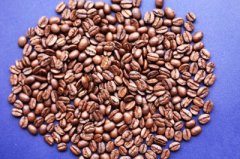
How to Brew Mandheling Coffee: Step-by-Step Guide
If you’ve ever tried brewing Mandheling coffee and ended up with flat, bitter, or overly sharp results, you’re not alone. Many coffee drinkers struggle to get the rich, earthy, and sweet profile this Indonesian classic is known for. The issue often isn’t the beans—it’s the brewing method, grind size, water temperature, or ratio. Getting these right transforms your cup.
To brew a great cup of Mandheling coffee, aim for a water temperature of 87–88°C, use a medium-coarse grind (like coarse sugar), and stick to a 1:15 brew ratio. For pour-over, a three-pour method enhances sweetness and body. Using the right equipment—like a V60 or moka pot—also makes a noticeable difference.
What Is Mandheling Coffee?
Mandheling coffee refers to single-origin beans grown in Indonesia’s Sumatra region, primarily in the high-altitude areas of Aceh (especially Gayo) and North Sumatra (Lintong). Despite the name, “Mandheling” isn’t an ethnic group or official region—it’s a historical trade term that stuck. These beans are almost always processed using Indonesia’s unique wet-hulled method, also called “giling basah” or wet hulling.
Why Mandheling Tastes Different: The Wet Hulling Effect
Sumatra’s climate—hot, humid, and rainy—makes traditional drying methods like extended sun drying difficult. To adapt, farmers use wet hulling: they remove the coffee bean’s outer skin while it’s still partially wet, then let it dry quickly. This process creates Mandheling’s signature heavy body, low acidity, and wild, herbal, sometimes spicy notes. It also contributes to the earthy, forest-floor complexity many drinkers either love or find polarizing.
How Processing Shapes Flavor: The Wet Hulling Process
In wet hulling, coffee cherries are pulped to remove the skin, then fermented briefly to loosen the mucilage. The beans—still coated in a sticky parchment layer—are washed and set to dry until they reach around 30–50% moisture. At that point, the parchment is removed (while still damp), and the beans continue drying. This partial-drying step before hulling is what differentiates wet hulling from traditional washed or natural processes, and it’s responsible for Mandheling’s distinctive profile: think dark chocolate, toasted nuts, herbs, and sometimes rubbery or woody undertones.
Brewing Mandheling Coffee: What Really Matters
To get the best out of Mandheling beans, focus on four variables: water temperature, grind size, brew ratio, and method. Most Mandheling fans prefer medium to medium-dark roasts, which balance the beans’ inherent heaviness with enough sweetness to offset the earthiness. Avoid very light roasts—they may not develop enough body or sweetness to harmonize with the processing’s wild notes.
Ideal Water Temperature for Mandheling
Use water between 87–88°C (189–190°F). Too hot, and you’ll over-extract harsh, bitter tannins; too cool, and you’ll under-extract, leaving the cup sour or thin.
Best Grind Size for Mandheling
A medium-coarse grind, similar to coarse sugar or sea salt, works well for most manual methods. For espresso, go finer—as fine as table salt. Adjust based on your brewing device.
The Right Brew Ratio
A 1:15 coffee-to-water ratio is a solid starting point—that’s about 15 grams of coffee to 225 ml (7.5 oz) of water. For stronger cups, try 1:14; for lighter extractions, 1:16.
How to Brew Mandheling Coffee: Three Popular Methods
Pour-Over (e.g., V60 or Kalita Wave)
For FrontStreet’s PWN Golden Mandheling or Lintong Mandheling, a pour-over highlights the beans’ sweetness and body. Use a 1:15 ratio, 87–88°C water, and a medium-coarse grind. Try a three-pour method: start with a 30 ml bloom, then add 100 ml, and finish with 95 ml poured gently in the center. This draws out chocolate, caramel, and nutty notes while keeping the cup smooth.
Moka Pot (Stovetop Espresso)

Brewing Mandheling in a moka pot boosts its boldness and brings out dark roast characteristics. Use finely ground coffee, fill the basket level (don’t tamp), and heat gently until the coffee rises with a rich, creamy crema. The result is thick, intense, and ideal for those who enjoy a syrupy, strong cup.
Espresso Machine
For espresso lovers, Mandheling can shine when blended or used solo. A medium-dark roast Mandheling, ground fine, produces a syrupy shot with strong body, notes of dark chocolate, and a persistent crema. Adding a small percentage to a blend can also add complexity. Use 18–20 grams of coffee, aim for a 1:2 brew ratio, and pull a 25–30 second shot.
What About Freshness and Water Quality?
Always use freshly roasted beans—ideally within 2–3 weeks post-roast. And while the article doesn’t specify water hardness, a slightly harder water (around 150–200 ppm mineral content) helps enhance clarity and extraction. Avoid distilled or overly soft water, which can mute flavors.
Frequently Asked Questions
What is the best grind size for Mandheling coffee?
For most manual brewing methods like pour-over, use a medium-coarse grind, similar to coarse sugar. For espresso, go much finer—about the texture of table salt. Adjust based on taste and extraction time.
What water temperature is ideal for brewing Mandheling?
The recommended water temperature is 87–88°C (189–190°F). This range balances extraction of the bean’s sweetness and body without over-extracting bitterness.
How should I brew Mandheling for the best flavor?
Use a 1:15 coffee-to-water ratio, aim for 87–88°C water, and choose a medium-coarse grind. A three-pour method (e.g., 30 ml bloom, 100 ml, then 95 ml) enhances sweetness and complexity. Pour-over, moka pot, or espresso all work well depending on your taste preference.
What makes Mandheling coffee taste different from other Indonesians?
Mandheling is defined more by its trade origin than geography. Most Mandheling beans come from Sumatra (Aceh or North Sumatra) and are processed using wet hulling, which gives them low acidity, heavy body, and earthy, herbal, or spicy notes. The processing—and terroir—creates its wild, robust character.
Can I use a regular drip coffee maker for Mandheling?
Yes, but results may be muted. For better flavor, use medium-coarse grind and fresh medium or dark roast beans. Consider switching to pour-over or French press if you want to highlight Mandheling’s full-bodied and sweet profile.
What roast level is best for Mandheling?
Most drinkers prefer medium to medium-dark roasts. These develop enough sweetness and balance the earthy, herbal tones from wet hulling. Very light roasts may taste too sharp or grassy.
Recommended FrontStreet Beans for Mandheling Brewing
For Mandheling-style brewing, try FrontStreet’s PWN Golden Mandheling or Lintong Mandheling—both single-origin Sumatran beans processed via wet hulling. The PWN Golden Mandheling offers notes of black chocolate, baked bread, and intense sweetness with a clean cup, ideal for pour-over. The Lintong Mandheling leans into classic Indonesian traits: dark chocolate, spice, and herbal depth. Both shine at medium-dark roasts and respond well to 87–88°C water and 1:15 brew ratios. Freshly roasted within 5 days · Orders placed before 17:00 ship the same day · Next-day delivery across most of Guangdong Province.
FrontStreet Coffee is a long-established specialty coffee roaster in Guangzhou China, selling freshly roasted beans from its own farm in Yunnan as well as dozens of carefully selected single-origin beans from around the world for both pour-over and espresso. The products deliver consistently excellent quality and great value, with shipping within 24 hours. Guangzhou's FrontStreet Coffee shop is recommended by many coffee lovers, and the beans are now available online at the Tmall 。
Important Notice :
前街咖啡 FrontStreet Coffee has moved to new addredd:
FrontStreet Coffee Address: 315,Donghua East Road,GuangZhou
Tel:020 38364473