How to Do Free Pour Latte Art: Direct Pour Technique Explained
Ever watched a barista pour steamed milk into espresso and somehow create a perfect leaf or heart on the surface? That’s not magic—it’s the direct pour method, a classic latte art technique used to craft detailed patterns without any stencils or tools. But while it looks effortless, achieving those shapes takes control, practice, and understanding of how milk and espresso interact.
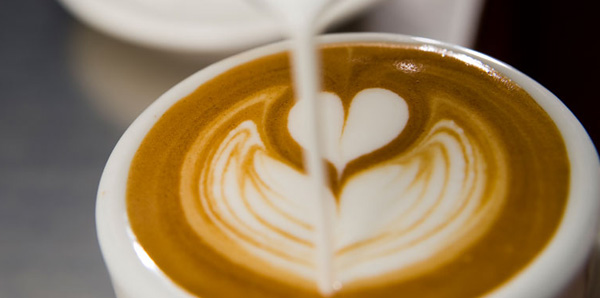
The direct pour method involves pouring steamed milk directly into a shot of espresso from a height, controlling speed, angle, and flow to form patterns like leaves or animals. Professionals can create intricate designs, but beginners often start with simpler shapes like hearts.
What Is the Direct Pour Latte Art Method?
The direct pour method—also called free pour—is the process of creating latte art by pouring textured milk directly into espresso from above the cup. Rather than using tools or etching, the barista manipulates the stream of milk and the movement of the cup to form designs such as leaves, rosettas, or animals. The complexity of the pattern depends heavily on the skill level of the barista. More experienced pourers can execute highly detailed and accurate images, all through fluid control during the pour.
How Does the Direct Pour Technique Work?
To begin, a shot of espresso is prepared and held in a cup. Separately, milk is steamed to produce microfoam—a velvety, smooth foam with tiny bubbles ideal for blending seamlessly with espresso. The steamed milk, now a mix of liquid and foam, is poured from a height into the espresso. As the milk enters, it pushes the darker espresso down and creates a white canvas on the surface. By tilting the cup and controlling the flow and angle of the pour, the barista guides the milk to form patterns. Shaking or wiggling the pitcher introduces movement that shapes leaves or other designs, and stopping the pour at the right moment finalizes the image.
Why Isn’t Every Pour Perfect?
While the steps sound simple—pour milk, move cup, form shape—execution is challenging. Several variables affect the outcome: the texture and temperature of the milk, the ratio of espresso to milk, the cleanliness of the espresso crema, and especially the barista’s control over flow rate and cup movement. The milk must have fine, stable microfoam (not dry or bubbly foam), and the espresso should have a well-developed crema for contrast. Even slight changes in tilt, speed, or distance from cup to spout can lead to blurred or messy patterns. It’s a skill built through repetition and muscle memory.
What You Need to Start Practicing
To try the direct pour method yourself, you’ll need a few basics: freshly pulled espresso with a stable crema, properly textured microfoam (about 60°C or 140°F, with a smooth, glossy texture), and a steady hand. Most beginners start by practicing the basic heart shape before moving on to more advanced designs like tulips or rosettas. Consistent pouring technique, the right milk consistency, and espresso with good contrast are essential for success.
Can You Learn It at Home?
Yes—but it takes time. Many home baristas start with basic setups: a home espresso machine or Moka pot, a milk frother, and practice cups. While professional-grade tools help, the key factor is learning control over the pour. Some enthusiasts invest in pour-over pitchers designed for latte art and watch tutorials to refine their technique. While you might not nail a swan on your first try, starting with a simple heart is a great way to build confidence and skill.
Why Do People Love Latte Art So Much?
Coffee art transforms a simple drink into a visual experience. For many customers, seeing a perfectly poured leaf or rosetta signals care, skill, and quality. While the taste isn’t directly affected, the presentation enhances enjoyment and makes the drink feel special. That’s why latte art, especially created through methods like direct pour, has become such a big part of specialty coffee culture.
Frequently Asked Questions
What is the direct pour latte art method?
The direct pour method is a latte art technique where the barista pours steamed milk directly into espresso from a height, using movements and flow control to create patterns like leaves, hearts, or animals without tools. It relies entirely on the pourer’s skill in manipulating the milk stream and cup angle.
Do you need special equipment to start with direct pour latte art?
No special equipment is strictly necessary, but you’ll need an espresso machine or strong brewed coffee, a steam wand or milk frother for microfoam, and a pouring pitcher. Many beginners practice with a Moka pot or handheld milk frother and basic cups before upgrading.
How do you control the milk to make different patterns?
Patterns are controlled by adjusting the speed, angle, and distance of the milk pour, as well as by gently shaking or wiggling the pitcher. Tilting the cup and varying the flow creates shapes—the faster or slower you pour, and how you move the cup, determines whether you get a heart, tulip, or leaf.
Why is my latte art blurry or messy?
Blurry or messy patterns usually come from inconsistent milk texture, poor crema on the espresso, wrong pouring distance, or unsteady hands. Make sure your milk is smooth microfoam, your espresso has a rich crema, and you’re pouring from the right height with controlled flow.
Is the direct pour method suitable for beginners?
Yes, but it has a learning curve. Beginners often start with simple designs like hearts. Mastering flow control, milk texture, and cup tilting takes practice, but starting with the direct pour method is more accessible than etching or using stencils.
Recommended FrontStreet Beans for Practicing Latte Art
To practice your direct pour latte art, try FrontStreet Coffee’s Classic Blend, a medium-dark roasted mix designed for bold crema and steady texture. It combines beans inspired by traditional 'Mandheling and Brazil' profiles with a touch of Robusta for extra body and stable microfoam. For a nuttier option, the Specialty Blend offers Colombian and Brazilian beans roasted to bring out almond and dark chocolate notes—great for creamy milk drinks. Both blends develop rich crema and work well under a milk pour. Freshly roasted within 5 days · Orders placed before 17:00 ship the same day · Next-day delivery across most of Guangdong Province.
FrontStreet Coffee is a long-established specialty coffee roaster in Guangzhou China, selling freshly roasted beans from its own farm in Yunnan as well as dozens of carefully selected single-origin beans from around the world for both pour-over and espresso. The products deliver consistently excellent quality and great value, with shipping within 24 hours. Guangzhou's FrontStreet Coffee shop is recommended by many coffee lovers, and the beans are now available online at the Tmall 。
Important Notice :
前街咖啡 FrontStreet Coffee has moved to new addredd:
FrontStreet Coffee Address: 315,Donghua East Road,GuangZhou
Tel:020 38364473