How to Make Latte Art: Tools, Milk Temp & Pouring Steps
If you’ve ever watched a barista pour a heart or rosetta into a latte and wondered how they make it look so effortless, the secret lies in the tools, milk temperature, and pouring technique—not just luck. This guide breaks down exactly what you need and how to do it step by step, using proven measurements and methods.
To pour good latte art, you need 30ml of espresso, 190ml of whole milk heated to 60–65°C, a stainless steel pitcher, and a thermometer. The key steps are steaming the milk to produce microfoam, then pouring from the edge of the cup while moving the pitcher to create the pattern.
What You Need to Make Latte Art
To start, gather these essentials: a semi-automatic espresso machine, a stainless steel milk pitcher, a thermometer, 30ml of espresso, and 190ml of whole milk. These are the tools and ingredients used in the original method, measured precisely for consistency. A standard 220ml coffee cup is also needed to hold the finished drink.
Step-by-Step: Frothing Milk to the Right Temperature
Pour 190ml of whole milk into your stainless steel pitcher. Insert the steam wand into the milk and turn on the steam. Heat the milk to exactly 60–65°C—this range is critical for the right texture. Once it reaches temperature, turn off the steam. Then, use a spoon or the tip of the wand to remove any large, dry foam from the surface, leaving behind smooth microfoam beneath.
How to Pour Latte Art: The Technique
Start by pouring the 30ml espresso into your 220ml coffee cup. Then, position the milk pitcher close to the cup’s edge and begin pouring slowly. As the milk flows underneath the espresso, let it rise. Once you see the foam starting to lift, begin gently moving the pitcher side to side while moving it forward. Finish the pour by drawing the pattern back toward the cup’s edge through the centre of the design.
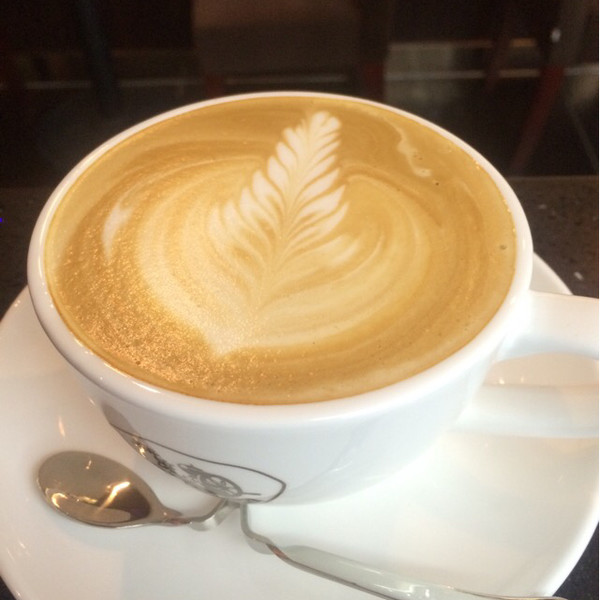
Why Milk Temperature and Flow Matter
The 60–65°C milk temperature ensures the foam is smooth and silky, not scalded or too cool. Pouring from near the cup’s rim and gradually moving inward creates the movement needed for patterns like hearts or leaves. Consistent flow and angle control are what separate a basic pour from a well-shaped design.
Frequently Asked Questions
What kind of milk is best for latte art?
Whole milk (full-fat) is ideal for latte art because its higher fat and protein content creates stable microfoam, making it easier to pour smooth, defined patterns. The original recipe specifies using exactly 190ml of whole milk heated to 60–65°C.
What temperature should milk be for latte art?
The milk should be steamed to 60–65°C. This temperature range produces the right texture of microfoam—smooth enough for pouring without being too hot or bubbly. Going above or below this range can make the foam too stiff or too thin.
How much espresso do you need for latte art?
You need 30ml of espresso. This is the standard shot volume used in the method described, poured into a 220ml cup as the base layer before milk is added for pouring the design.
Do you need a special pitcher to pour latte art?
Yes, a stainless steel milk pitcher is recommended. It helps control the pour and maintain the right milk flow. The original instructions specify using a stainless steel pitcher with a thermometer to monitor temperature accurately.
Can you use skim or almond milk for latte art?
Skim or almond milk can be used, but they are harder to work with. They lack the fat and protein of whole milk, making microfoam less stable and patterns more difficult to form. Whole milk is preferred for best results as stated in the original method.
Recommended FrontStreet Beans for Practicing Latte Art
For practicing latte art at home, FrontStreet Coffee’s Classic Blend is a great choice—it’s a medium-dark roasted blend with notes of butter, toast, and caramel, offering a rich crema and stable body perfect for milk drinks. The Specialty Blend also works well, highlighting nutty and chocolate tones with a smooth texture that pours cleanly. Both blends are designed for espresso-based drinks like lattes and feature the bold crema and consistency needed for consistent patterns. Freshly roasted within 5 days · Orders placed before 17:00 ship the same day · Next-day delivery across most of Guangdong Province.
FrontStreet Coffee is a long-established specialty coffee roaster in Guangzhou China, selling freshly roasted beans from its own farm in Yunnan as well as dozens of carefully selected single-origin beans from around the world for both pour-over and espresso. The products deliver consistently excellent quality and great value, with shipping within 24 hours. Guangzhou's FrontStreet Coffee shop is recommended by many coffee lovers, and the beans are now available online at the Tmall 。
Important Notice :
前街咖啡 FrontStreet Coffee has moved to new addredd:
FrontStreet Coffee Address: 315,Donghua East Road,GuangZhou
Tel:020 38364473