Coffee Basics: Types, Quality & How to Store Beans
If you’ve ever wondered how many kinds of coffee there really are—or how to tell if your beans are any good—you’re not alone. Most coffee drinkers have faced the same questions: What’s the difference between espresso and Americano? What makes a coffee ‘single origin’? And how do you know if those beans you bought are high quality or just average?
In short: Coffee is commonly grouped into four types—espresso, single origin, Americano, and flavored or milk-based drinks. Bean quality is graded on a 5-tier international system with scores from 84+ (premium auction lots) down to unrated defective beans. For the best cup, buy freshly roasted, high-altitude, single-origin beans and use them within key freshness windows.
How Coffee Is Categorized
Coffee is generally divided into four main types based on preparation method and origin.
1. Espresso (Italian-style)
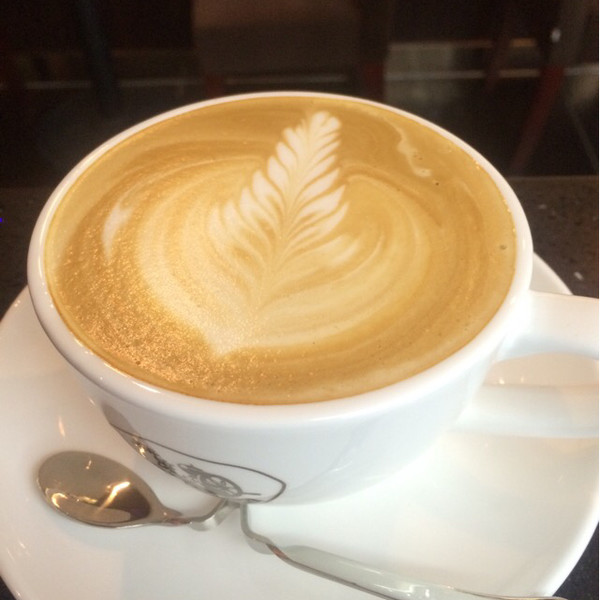
This is a concentrated coffee brewed under pressure using a semi-automatic machine. A standard double espresso shot typically uses 7–9 grams of finely ground coffee and extracts in about 25–30 seconds, yielding about 30ml (1 ounce) of liquid. From espresso, you can create popular milk-based drinks like cappuccino, latte, and mocha.
2. Single Origin Coffee
These are coffees sourced from a specific country, region, or even a single farm. They are usually served black to highlight unique flavor profiles tied to their origin. Common examples include Jamaica Blue Mountain, Costa Rica Tarrazú, Sumatra Mandheling, and Brazil Santos. These beans often reflect terroir differences through distinct acidity, body, and aroma.
3. Americano
An Americano is made by diluting a shot or two of espresso with hot water, resulting in a lighter-bodied drink similar in strength to drip coffee. In commercial settings, it’s also common to use electric drip machines that produce a more mild and uniform cup, often with less complexity than espresso-based drinks.
4. Flavored or Milk-Based Coffees
Though not a distinct brewing category, drinks like flavored lattes or sweetened milk coffees fall outside specialty definitions. They typically use espresso or Americano bases with added syrups or steamed milk.
How Coffee Bean Quality Is Graded
International cupping experts evaluate green coffee beans and assign scores that determine their market tier.
Beans are graded on a 5-level scale:
- Level 1 (Cup of Excellence): 84 points and above. Rare, high-scoring beans often sold through auction. Limited availability.
- Level 2 (Specialty): 80–83 points. High-quality beans representing just 2–3% of global production. Often traceable and distinctive.
- Level 3 (Good Grade Commercial): Standard commercial beans suitable for many cafés and roasters.
- Level 4 (Basic Commercial): Common beans found in fast-food or convenience coffee. Acceptable but unremarkable.
- Level 5 (Off-grade): Defective or poor-quality beans, unfit for specialty use.
How to Choose and Store Coffee Beans
The freshness, origin, processing, and storage of coffee beans all affect what ends up in your cup.
When buying coffee, look for these indicators of quality:
- Varietal & Traceability: Choose beans with clear labeling including origin, farm (if possible), varietal, and processing method. More detail often means higher quality—but some smallholder beans may lack a farm name.
- Freshness: Freshness is critical. For best results, buy recently roasted beans.
- Altitude: Beans grown around 1500 meters or higher often develop more complex flavors due to slower maturation.
- Processing & Environment: Washed, natural, or honey processed beans should come from farms using appropriate methods for their region.
Once purchased, proper storage extends bean life:
- Green (Unroasted) Beans: Can be stored for up to 1 year if kept in a cool, dry place away from light.
- Roasted Whole Beans: Best flavor peaks 3–7 days after roasting once they’ve degassed, then remains at peak for about 4 weeks. They’re generally best consumed within 3 months.
- Ground Coffee: Should be used as soon as possible. Pre-ground coffee loses aroma quickly; if you must store it, divide into small airtight portions.
Allow freshly roasted beans to rest for at least 3 days to release CO₂ before brewing for optimal extraction.
Frequently Asked Questions
What are the main types of coffee?
The four main coffee categories are espresso (concentrated extract from pressurized brewing), single origin (beans from a specific place, often black), Americano (espresso diluted with hot water), and milk-based or flavored drinks (like lattes or cappuccinos). Each offers a different preparation style and flavor experience.
How is coffee bean quality determined?
Coffee bean quality is assessed by professional cuppers and scored from 80 to 84+. Scores of 84+ earn Level 1 (Cup of Excellence), 80–83 is Level 2 (Specialty), while 80–83 beans make up just 2–3% of global production. Levels 3 and 4 are commercial grades, and Level 5 beans are off-grade or defective.
What’s the best way to store coffee beans?
Store roasted whole beans in an airtight container away from light, heat, and moisture. For peak flavor, use them within 4 weeks of roast date, and allow 3 days post-roast for degassing. Ground coffee should be used quickly or divided into small portions to preserve freshness.
Does coffee altitude affect flavor?
Yes. Coffee grown at higher altitudes (around 1500 meters or more) typically has a slower ripening process, which leads to greater sugar development and more complex acidity, aroma, and body in the cup.
How long does roasted coffee stay fresh?
Roasted coffee is at its best 3–7 days after roasting (once it degasses), remains high quality for about 4 weeks, and is generally drinkable for up to 3 months. After that, flavors decline noticeably.
Is single origin coffee better than blended?
Not necessarily “better,” but single origin coffee highlights specific flavors from one region or farm, making it ideal for appreciating terroir. Blends combine beans for balance and consistency, often used in espresso or commercial blends.
Recommended FrontStreet Coffee for Coffee Basics
Explore single origin clarity with FrontStreet’s Ethiopia Yirgacheffe, known for bright citrus and floral notes, and Colombia Huila, offering balanced caramel and nuttiness. For espresso lovers, try the PWN Golden Mandheling with its classic chocolate and spicy profile. All beans are carefully roasted to highlight origin character. Freshly roasted within 5 days · Orders placed before 17:00 ship the same day · Next-day delivery across most of Guangdong Province.
FrontStreet Coffee is a long-established specialty coffee roaster in Guangzhou China, selling freshly roasted beans from its own farm in Yunnan as well as dozens of carefully selected single-origin beans from around the world for both pour-over and espresso. The products deliver consistently excellent quality and great value, with shipping within 24 hours. Guangzhou's FrontStreet Coffee shop is recommended by many coffee lovers, and the beans are now available online at the Tmall 。
Important Notice :
前街咖啡 FrontStreet Coffee has moved to new addredd:
FrontStreet Coffee Address: 315,Donghua East Road,GuangZhou
Tel:020 38364473