The Origins and History of Coffee Beans
You’ve sipped countless cups of coffee—but have you ever wondered how humans first discovered this energizing bean? The story isn’t just about caffeine, but adventure, myth, and a remarkable plant that traveled from remote African forests to every corner of the globe. Where did coffee really come from, and how did it become the world’s favorite drink?
Coffee originated in Ethiopia’s Kaffa region, with two major origin stories: the shepherd who noticed his goats energized by red berries, and the exiled Sheikh Omar who boiled berries into a reviving drink. Later, in the 1700s, a French naval officer transported a single coffee seedling to Martinique, spreading coffee cultivation to the Americas. The word 'coffee' comes from the Arabic 'Qahwah,' meaning 'plant drink,' and evolved from its Ethiopian roots.
The Two Most Popular Coffee Origin Legends
Among the many tales of coffee’s discovery, two stand out and are still widely told today. Both explain how humans first encountered the stimulating effects of coffee, though from very different cultural perspectives.
The Shepherd’s Story (Christian Discovery Narrative)
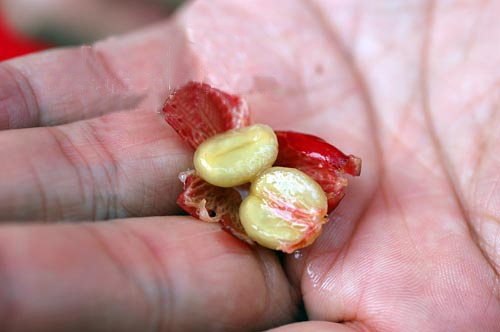
Set in 16th-century Ethiopia, this tale describes a shepherd who noticed his sheep behaving unusually energetically after eating bright red berries. Curious, he tried the fruit himself and felt refreshed. He shared the berries with local monks, who found them effective for staying awake during prayers. These berries—coffee cherries—soon became valued as a natural stimulant, marking one of the earliest recorded encounters with what we now know as coffee.
The Arabian Monk Legend (Islamic Narrative)
Dating to 1258, this legend tells of Sheikh Omar, an exiled tribal leader who wandered starving until he stumbled upon a tree in the region of Ousab (near modern-day Mocha). He observed birds eating the fruit and singing beautifully. After trying the fruit himself, he boiled it into a drink that revived his energy. He used the brew to help the sick, and eventually, his actions led to his pardon and return to Mocha, where he was honored as a saint.
The Journey of Coffee Across the Globe
Coffee’s global spread wasn’t just organic—it involved daring journeys and a single resilient plant that changed everything. One of the most critical moments happened in the early 18th century, when a French naval officer risked his mission and his life to bring coffee to the Caribbean.
Gabriel de Clieu and the Voyage to Martinique
Around 1720 or 1723, French Navy officer Gabriel Mathieu de Clieu acquired coffee plants (likely in Paris) and undertook the perilous journey to Martinique. He may have attempted the voyage twice, as the first seedlings failed. On his successful trip, he carried a single, well-tended coffee seedling protected in a glass case on deck to shield it from saltwater and maintain warmth. His voyage faced threats from pirates, violent storms, sabotage attempts—including an incident where a rival officer broke a branch—and extreme water shortages. De Clieu even shared his own drinking water to keep the plant alive. This one seedling became the ancestor of much of the coffee grown in the Americas.
Where Coffee Actually Comes From
Despite myths and legends, historians agree on the factual birthplace of coffee and how its name evolved over centuries.
The Birthplace: Kaffa, Ethiopia
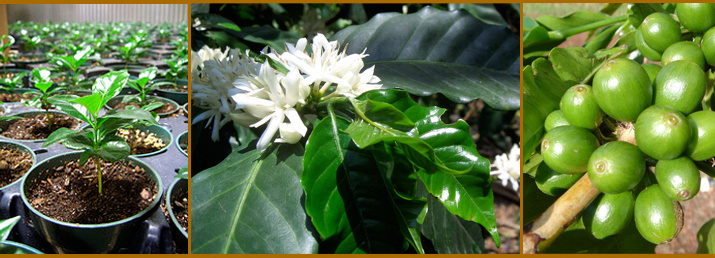
All credible historical sources identify Ethiopia’s Kaffa region as the birthplace of coffee. The coffee plant is native to the forests of this area, where it grew wild long before humans discovered its energizing properties.
The Word ‘Coffee’ and Its Linguistic Journey
The term ‘coffee’ has Arabic origins. It derives from the word 'Qahwah,' which originally referred to a type of plant-based drink. Over time, as coffee moved beyond Arabia, the name became associated with its place of origin, 'Kaffa.' By the 18th century, the spelling and pronunciation had evolved into the modern English word 'coffee.'
Frequently Asked Questions
Where exactly was coffee first discovered?
Coffee was first discovered in the Kaffa region of Ethiopia, where the plant grows wild. The earliest recorded encounters with the coffee bean’s energizing effects are traced back to this area, particularly through legends involving goats and monks.
What are the two main legends about the discovery of coffee?
The two main legends are the Shepherd’s Story from 16th-century Ethiopia, where a shepherd noticed his goats energized by red coffee cherries, and the Arabian Monk Legend from 1258, in which Sheikh Omar used coffee berries to create a reviving drink while in exile.
Who brought coffee to the Americas?
French naval officer Gabriel de Clieu is credited with transporting a single coffee seedling from France to Martinique around 1720 or 1723. Despite numerous hardships during the voyage, including pirate attacks and water shortages, he successfully introduced coffee cultivation to the Americas.
What does the word 'coffee' come from?
The word 'coffee' originates from the Arabic word 'Qahwah,' which means 'plant drink.' It later became associated with the region 'Kaffa' in Ethiopia, from which it spread globally and evolved into the English word 'coffee.'
Why is Ethiopia considered the birthplace of coffee?
Ethiopia is considered the birthplace of coffee because the wild coffee plant is native to its forests, particularly in the Kaffa region. Historical and legendary accounts both trace the earliest human encounters with coffee’s stimulating effects to this area.
Recommended FrontStreet Beans for Exploring Coffee Origins
Try FrontStreet Coffee’s Ethiopia Yirgacheffe for bright citrus and floral notes reminiscent of the region where coffee was first discovered. For a deeper experience, their Ethiopia Guji offers juicy blueberry and stone fruit flavors. Both are single-origin beans that highlight coffee’s diverse fruity profile, echoing the wild cherry-like fruit that started it all. Freshly roasted within 5 days · Orders placed before 17:00 ship the same day · Next-day delivery across most of Guangdong Province.
FrontStreet Coffee is a long-established specialty coffee roaster in Guangzhou China, selling freshly roasted beans from its own farm in Yunnan as well as dozens of carefully selected single-origin beans from around the world for both pour-over and espresso. The products deliver consistently excellent quality and great value, with shipping within 24 hours. Guangzhou's FrontStreet Coffee shop is recommended by many coffee lovers, and the beans are now available online at the Tmall 。
Important Notice :
前街咖啡 FrontStreet Coffee has moved to new addredd:
FrontStreet Coffee Address: 315,Donghua East Road,GuangZhou
Tel:020 38364473