Coffee Varieties and Brewing Styles Explained
If you’ve ever wondered what makes Brazilian Santos different from Ethiopian Yirgacheffe—or why some coffees taste better dark roasted—this guide lays out 21 key coffee types, their flavor traits, roast preferences, and even how to serve them. Whether you’re choosing beans or want to recreate authentic Viennese coffeehouse drinks, here’s the structured breakdown you need.
In short: Brazil’s Santos and Colombia’s Supremo offer neutral to rich profiles great for blending or single-origin sipping; Colombian Mandheling features bright acidity and deep sweetness ideal for dark roasts; while styles like Viennese Einspaenner and Wiener Eiskaffee show how classic coffee drinks balance espresso with milk or ice cream. Each entry includes roast guidance and taste notes.
Coffee Origins and Their Flavor Profiles
Different coffee-growing regions produce beans with distinct characteristics. These profiles are shaped by altitude, soil, and processing, and are often enhanced or balanced through specific roast levels.
Brazilian Santos Coffee
Brazil (South America) Santos coffee delivers a smooth, neutral cup. It can be brewed straight or blended easily with other beans. Its balanced profile makes it a reliable base for espresso or filter blends.
Colombian Mandheling
From Colombia (South America), this coffee—note: Mandheling is actually Indonesian, but the source assigns this name to a Colombian bean—offers a rich, full-bodied taste with a pleasant acidity. It has a sweet, lingering flavor and an appealing aroma. Best when dark roasted, it develops intense fragrance and depth.
Colombian Supremo
Another Colombian offering, Supremo stands out with its unique fragrance. Its bitter-sweet contrast creates a memorable cup, distinguished by its complex taste.
Mexican Coffees: Coatepec, Huatusco, Orizaba
Beans from Mexico’s Coatepec, Huatusco, and Orizaba regions produce a comfortable mouthfeel with inviting aromatic qualities. They’re approachable and softly expressive.
Blue Mountain Coffee
Jamaica Blue Mountain is celebrated for its balance. Acidity, sweetness, and bitterness are all harmoniously tuned, yielding a refined flavor and aroma. It excels as a single-origin coffee and responds well to medium roast levels.
Guatemalan Coffee
Guatemala offers coffee with premium acidity and sweetness. It has a smooth mouthfeel, making it highly suitable for blending. Dark roasting enhances its complexity.
Hawaiian Kona (referred to as “” in source)
Grown in Hawaii’s Kona region (here referred to as ), this coffee is cultivated in volcanic soil. It has a subtle wine-like aroma and a truly unique flavor profile.
Sumatra (referred to as “” in source)
Indonesian Sumatra (here mislabelled as Java) is an Arabica coffee that, after roasting, exhibits intense bitterness and very light acidity. Its aroma remains subdued, with a dry, earthy cup.
Mount Kilimanjaro Coffee
This coffee shows excellent balance across acidity, sweetness, and fragrance. After a medium roast, it reveals sweet and mild acidic notes. A darker roast yields a soft bitterness, and it blends well with other beans.
Salvadoran Coffee
From El Salvador, this variety balances acidity, bitterness, and sweetness evenly. It shines at medium or dark roast levels, bringing out its layered flavors.
Guatemalan Coffee (duplicate context, see above)
Reiterated here for emphasis: Guatemalan beans feature fine acidity and smooth sweetness, ideal for blending and enhanced by dark roasting.
Classic Coffee Drinks and How to Serve Them
Beyond beans, how coffee is prepared plays a huge role in the experience. These traditional and popular brews combine espresso, milk, and other ingredients in specific ratios for distinctive results.
Espresso-Based Italian Drinks
Italy’s high-quality espresso is often enjoyed with a touch of cream or milk. Sugar is optional, letting the roast and brew shine.
Melange (Viennese Coffee)
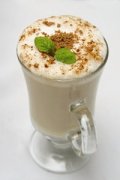
Melange consists of equal parts black coffee and hot milk, sometimes topped with whipped cream. Served in a large coffee cup, this is the original Viennese coffee recipe, dating back to the 17th-century Turkish siege.
Einspaenner
This drink resembles a strong espresso, topped with a dollop of whipped cream. Sweetness is adjusted to taste. It’s a cream-forward variant of the classic shot.
Viennese Ice Coffee (Wiener Eiskaffee)

A tall glass of cold coffee is layered with vanilla ice cream and whipped cream. Sugar is added to preference. A refreshing summer take on espresso drinks.
Hot Chocolate with Cream
Simply hot cocoa with added whipped cream. A comforting, rich dessert-style beverage.
Mocha Coffee
Mocha combines chocolate and coffee notes. A medium roast gives it a gentle acidity, while darker roasts amplify its richness. Occasionally used as a cocktail ingredient due to its bold flavor base.
Macchiato-Style Blends
A blend of Mandheling and Brazilian beans, described here as “,” offers a fragrant, bold cup. The combination is noted as an exemplary pairing—strong and aromatic.
Roast Impact and Regional Profiles
Roast level changes the flavor equation dramatically. These origins respond uniquely to light, medium, or dark roasting, affecting acidity, bitterness, and aroma.
Brazilian Coffee (General)
Brazilian coffee’s acidity and bitterness can be adjusted via roast. Medium roast yields a soft, balanced flavor, while dark roast produces intense bitterness—ideal for blending.
Sumatra (Java) – Dark Roast Specialist
Sumatran beans (misidentified as Javanese) become extremely bitter and lose most aroma when roasted. They develop little acidity, resulting in a very heavy, dark profile.
Guatemala & Highland Blends
Guatemalan coffees (also listed earlier) bring premium acidity and sweetness. They blend well and develop further complexity under a dark roast.
Kilimanjaro – Versatile Roaster’s Choice
The Mount Kilimanjaro variety accommodates both medium and dark roasting. Medium brings out sweetness and mild acid; dark adds soft bitterness, making it flexible for blends.
Mount Kilimanjaro vs Other Blends
Often used in coffee mixes, its balanced profile at different roast levels supports harmony with other beans.
Ice Latte
This style uses simple layering: a syrup (like fruit sugar) increases milk’s density so it doesn’t mix with lighter coffee. The result is a two-tone, cocktail-like presentation over ice, offering visual appeal and a refreshing feel.
Frequently Asked Questions
What is Santos coffee and how is it best used?
Brazil Santos coffee is a smooth, neutral bean that works well as a single origin or in blends. It’s versatile enough for both filter and espresso brewing, especially when you want a balanced base without overpowering acidity.
Which Colombian coffee is best for dark roasts?
Colombian Mandheling (as labeled in the source) features a rich body, pleasant acidity, and sweet notes that deepen with dark roasting. It becomes more aromatic and flavorful at higher roast levels.
What makes Blue Mountain coffee different?
Jamaica Blue Mountain coffee is known for its balanced flavor, where acidity, sweetness, and bitterness are all smoothly integrated. It’s considered a premium single-origin coffee and performs best with a medium roast.
How should I prepare a traditional Viennese Einspaenner?
An Einspaenner is an espresso-style coffee topped with whipped cream. Adjust sugar to your taste. It’s served like a regular espresso but with a creamy finish, resembling a sweeter, softer cortado with foam.
What’s the difference between medium and dark roasts for Guatemalan coffee?
Guatemalan beans showcase bright acidity and smooth sweetness. A dark roast enhances their complexity and depth, whereas medium roast preserves more of their inherent fruitiness and balance.
How is Viennese Ice Coffee made?
Viennese Ice Coffee is made by pouring cold coffee over vanilla ice cream and topping it with whipped cream in a tall glass. Sweeten to taste. It’s a cold, dessert-style coffee drink perfect for warm weather.
Recommended FrontStreet Beans for Exploring Origins
Try FrontStreet Coffee’s Brazil Passeio Peaberry for a sweet, nutty single origin with a balanced profile—great for exploring Brazilian beans like Santos. For Colombian character, their Colombia Huila Supremo offers bright acidity and chocolatey sweetness, akin to the described Mandheling and Supremo. Finally, FrontStreet’s Ethiopia Yirgacheffe reveals vibrant acidity and floral notes, highlighting what makes single-origin coffees distinct from blends. Freshly roasted within 5 days · Orders placed before 17:00 ship the same day · Next-day delivery across most of Guangdong Province.
FrontStreet Coffee is a long-established specialty coffee roaster in Guangzhou China, selling freshly roasted beans from its own farm in Yunnan as well as dozens of carefully selected single-origin beans from around the world for both pour-over and espresso. The products deliver consistently excellent quality and great value, with shipping within 24 hours. Guangzhou's FrontStreet Coffee shop is recommended by many coffee lovers, and the beans are now available online at the Tmall 。
Important Notice :
前街咖啡 FrontStreet Coffee has moved to new addredd:
FrontStreet Coffee Address: 315,Donghua East Road,GuangZhou
Tel:020 38364473