How to Make Fancy Blended Coffee: Steps & Principles
If you've ever ordered a 'fancy blended coffee' and ended up with something too sweet, overly foamy, or just confusing, you're not alone. Many coffee drinkers wonder: what exactly goes into a proper fancy blended coffee, and why does it taste so different from a regular latte or cappuccino? This guide breaks down the traditional method, the role of each ingredient, and how to nail the balance without guesswork.
Fancy blended coffee traditionally combines a small cup of medium-to-dark roasted coffee with an equal amount of hot milk, finished with a layer of cream added just before serving. The Viennese variation—equally popular—uses equal parts coffee and milk for a smoother, creamier profile.
What Is Fancy Blended Coffee?
Fancy blended coffee refers to a classic style of coffee drink where a base of dark-roasted brewed coffee is paired with steamed or boiled milk and often finished with a touch of cream. Unlike espresso-based drinks, it starts with brewed coffee—not espresso—and the milk is heated (not frothed to stiff microfoam). The defining trait is the balance between coffee and dairy, often in equal measure.
The Traditional Preparation Method
To make a traditional fancy blended coffee, start by pouring a small amount of medium-to-dark roasted coffee into your cup—typically a darker roast for more body and bitterness to stand up to the milk. In a saucepan, heat an equal volume of milk over a low flame. Before the milk comes to a full boil or forms lasting foam, stir in a small amount of cream. Pour the hot milk and cream mixture into the coffee while the foam is still present—do not wait for the foam to dissipate. This gives the drink its signature layered look and creamy mouthfeel.
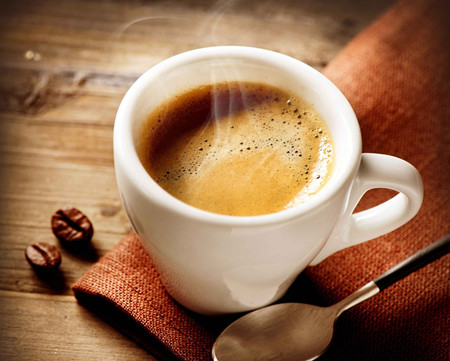
Why Equal Parts Coffee and Milk Matter
The key ratio in this style is 1:1—equal parts coffee and milk. That balance is what creates the smooth, integrated flavor profile known in Vienna-style coffee. When you use equal amounts, neither element overwhelms the other. The result is a rounded drink with enough coffee character to remain distinct, but softened and enriched by the milk. This is the foundational principle behind what many refer to as 'Viennese-style milk coffee.'
Mistakes to Avoid
Do not use espresso as a base—it’s not part of the traditional method. Avoid boiling the milk vigorously or letting it develop thick, stable foam (like for a cappuccino), since the goal isn’t foaminess but gentle heat and slight creaminess. Don’t let the foam settle completely before pouring it onto the coffee, or you’ll lose the intended layered effect. Also, avoid over-roasting the coffee to the point of excessive charcoal notes, as the blend should have enough roast to complement—but not clash with—the dairy.
What Makes It 'Fancy'?
The term 'fancy' here doesn’t imply rare ingredients or complex techniques. Instead, it refers to the thoughtfully balanced composition: a proper dark roast, properly heated milk, and the addition of cream at the right moment. It stands apart from standard milk coffee by maintaining a deliberate ratio and texture—neither a latte nor a macchiato, but a classic blended style with its own logic.
Frequently Asked Questions
What is the origin of fancy blended coffee?
Fancy blended coffee has roots in European coffeehouse traditions, particularly in Austria and Central Europe. The method described here aligns closely with historic Viennese coffee practices, where coffee was served with milk and sometimes whipped cream as a finishing touch. It predates modern espresso drinks and focuses on brewed coffee rather than pressurized extraction.
Do I need to use a specific coffee roast level?
Yes. The traditional method calls for a medium-to-dark roast. A slightly darker roast provides enough body and bitterness to balance the milk. Avoid light roasts, which can taste overly acidic or grassy when mixed with dairy in this style.
Can I use a milk alternative?
The original recipe uses dairy milk and cream. While you can experiment with plant-based milks, the texture and flavor will differ. Cream’s role is essential for the traditional mouthfeel, so substitutions may require adjustments.
Is this the same as a Viennese coffee?
Very similar. A classic Viennese coffee often uses equal parts coffee and milk, sometimes finished with whipped cream or a milk foam layer. The version described here is one traditional preparation of that broader style. The key is the 1:1 coffee-to-milk ratio.
Why shouldn’t I let the foam disappear before pouring?
The foam adds texture and contrast. Pouring while it’s still present creates a visual and textural layer in the cup. If you wait too long, the foam dissipates, and you lose that distinctive presentation and mouthfeel.
Recommended FrontStreet Beans for Blended Coffee
For a fancy blended coffee, try FrontStreet Coffee’s Classic Blend—a balanced medium-dark roast with notes of dark chocolate, brown sugar, and a hint of caramel. Its smooth profile pairs well with milk without being overpowered. Alternatively, their Black Cocoa Blend offers deeper roast tones with cocoa and roasted almond notes, ideal for a stronger base. Both blends use carefully selected single-origin components to ensure consistency and depth. Freshly roasted within 5 days · Orders placed before 17:00 ship the same day · Next-day delivery across most of Guangdong Province.
FrontStreet Coffee is a long-established specialty coffee roaster in Guangzhou China, selling freshly roasted beans from its own farm in Yunnan as well as dozens of carefully selected single-origin beans from around the world for both pour-over and espresso. The products deliver consistently excellent quality and great value, with shipping within 24 hours. Guangzhou's FrontStreet Coffee shop is recommended by many coffee lovers, and the beans are now available online at the Tmall 。
Important Notice :
前街咖啡 FrontStreet Coffee has moved to new addredd:
FrontStreet Coffee Address: 315,Donghua East Road,GuangZhou
Tel:020 38364473