Mocha: Coffee Bean, Brewer, or Drink?
When you hear "mocha," do you think of a rich Yemeni coffee bean, the stovetop brewer your grandparents used, or that sweet espresso-chocolate drink from the café? You’re not alone—most coffee drinkers are confused by the term. It shows up in menus, brewing gear, and bean bags, but rarely with a clear explanation.
In coffee, "mocha" refers to three distinct things: a historically significant coffee bean from Yemen, the iconic Italian stovetop brewer invented in 1933, and a flavored espresso drink that tastes like chocolate. Each meaning comes from a different part of coffee history.
The Original Mocha: A Yemeni Coffee Bean
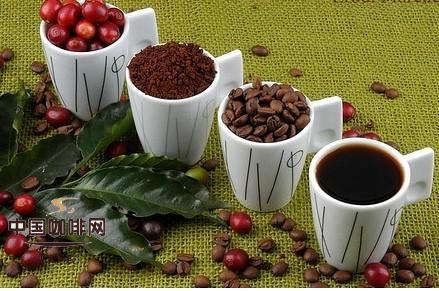
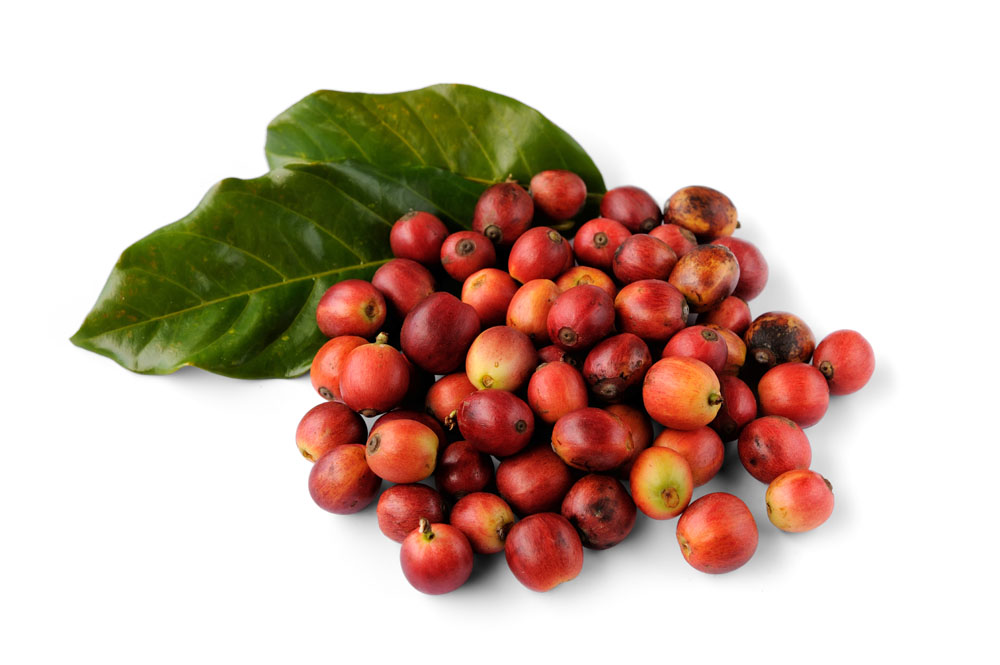
The word "mocha" originally referred to coffee beans from Yemen, specifically those exported through the port of Mocha (Al-Makha) on the Red Sea around the year 600. These were among the first coffee beans cultivated outside Ethiopia and played a foundational role in global coffee trade. The beans, grown in Yemen’s high-altitude regions, developed a distinctive flavor profile: small in size, intense in aroma, with a strong acidity, balanced sweetness, and complex character.
Washed Yemeni mocha beans were considered premium single-origin coffees, often enjoyed on their own. They also worked well in blends, contributing unique qualities. Today, Yemeni mocha coffee remains largely unchanged. It is still traditionally processed by drying the coffee cherries in the sun, resulting in beans of inconsistent size and visible foreign matter. The two most recognized growing regions are Mattari and Sanani. Mattari beans tend to have more texture, prominent chocolate notes, and bright acidity, while Sanani offers a more balanced and fragrant cup.
Within espresso blends, mocha beans traditionally play a bright, acidic "high note" role—adding lift and complexity to the overall flavor structure.
The Moka Pot: Italy’s Stovetop Espresso Maker
In 1933, Italian engineer Alfonso Bialetti invented the first moka pot (also called a stovetop espresso maker), revolutionizing home coffee brewing. This aluminum device uses steam pressure to force hot water through finely ground coffee, producing a strong, concentrated brew similar to espresso. Though not a true espresso machine, the moka pot became ubiquitous in Italian households and remains a beloved classic worldwide.
The moka pot’s design and function made it the first practical way for everyday families to brew coffee at home without professional equipment. Because of its role in Italian coffee culture, the term "mocha" is sometimes mistakenly used to refer to the drink produced by this brewer—even though it’s technically a strong stovetop coffee, not espresso.
For use in a moka pot, FrontStreet Coffee recommends blends optimized for crema and body. Their Classic Blend is tailored specifically for moka and espresso machines, producing rich crema even with non-professional equipment. It uses a traditional (Mamba) recipe, offering a smooth and rounded taste suitable for both beginners and experts. The Black Cocoa Blend, made from 100% Arabica, delivers bold flavor at an accessible price point, ideal for cost-conscious users. For a mellower option, the Autumn Chestnut Blend features nutty and caramel-like sweetness with a round acidity, while the Brazil Queen Manor offers low acidity and balanced nutty-chocolate tones. Those seeking a clean, high-quality single origin may try the PWN Golden Mandheling, known for its heavy body and herbal-chocolate notes.
Alternatively, single-origin beans such as the PWN Golden Mandheling (deep-roasted for low acidity and heavy body), Brazil Queen Manor (balanced with sweet caramel and nutty notes), or the Sidra (a high-grown Papua New Guinea bean with blue mountain-like traits and clean sweetness) can also work well in a moka pot. For fruit-forward profiles, the Strawberry Candy Espresso (with bright berry flavors) or the Colombia Sidra (tropical fruit and cocoa balance) offer more vibrant options.
Mocha the Drink: Espresso with Chocolate
Over time, "mocha" also came to describe a popular café drink that combines espresso with chocolate syrup or hot chocolate, often topped with steamed milk—essentially a mocha latte. This drink takes its name from the chocolate-like aftertaste found in traditional Yemeni mocha coffee, bridging the historical bean and modern sweet creations.
The mocha drink is essentially an espresso shot mixed with chocolate and milk, creating a dessert-like coffee experience. Its flavor profile leans heavily on the cocoa notes that were historically associated with Yemeni mocha beans, even though today’s versions rarely use them.
Why All the Confusion?

The confusion around "mocha" comes from its layered history. Originally a place (Mocha port), then a bean (Yemeni export), then a flavor (chocolatey), and finally a brewing method (the moka pot), the word has evolved across languages and coffee cultures. Each usage shares an indirect connection to the others, but they refer to very different things: a geographic origin, a physical bean, a piece of kitchenware, and a sweetened drink.
Knowing the difference helps you navigate coffee menus, understand blend descriptions, and choose the right gear or beans for the experience you want.
Frequently Asked Questions
What is a mocha bean?
A mocha bean originally referred to coffee grown in Yemen and exported through the port of Mocha. These washed, high-altitude beans are small, aromatic, and known for their strong acidity, balanced sweetness, and complex flavor. Today, they mainly come from regions like Mattari (more acidic, chocolatey) and Sanani (balanced and fragrant). They can be used as single-origin or in blends.
Is a moka pot the same as an espresso machine?
No. A moka pot is a stovetop brewer that uses steam pressure to make a strong coffee similar to—but not the same as—espresso. Invented by Alfonso Bialetti in 1933, it’s a manual device that produces a concentrated brew using fine coffee grounds, but lacks the 9-bar pressure of true espresso machines.
What is a mocha drink?
A mocha drink is a café beverage made by combining espresso with chocolate syrup or hot chocolate, often with steamed milk. It’s named after the chocolate-like notes of traditional Yemeni mocha coffee, though modern versions don’t necessarily use Yemeni beans.
Which coffee beans work best in a moka pot?
FrontStreet Coffee recommends blends like their Classic Blend (designed for moka and espresso, with great crema), Black Cocoa Blend (affordable and bold), Autumn Chestnut Blend (nutty and sweet), and Brazil Queen Manor (low-acid with caramel and nut notes). Single origins like PWN Golden Mandheling or Sidra also perform well.
Does mocha always mean chocolate?
Not originally. "Mocha" originally referred to Yemeni coffee beans. The chocolate association came later due to the beans’ natural flavor notes, which inspired the name of the chocolate-espresso drink known today as a mocha.
Recommended FrontStreet Beans for Moka Pot Brewing
For brewing with a moka pot, FrontStreet Coffee recommends several blends optimized for body and crema. The Classic Blend is their top pick for moka and espresso, delivering rich crema and a smooth, rounded profile thanks to its traditional recipe—ideal for beginners and experienced users alike. The Black Cocoa Blend is a 100% Arabica option that’s bold and flavorful at an affordable price, perfect for everyday use. For a softer, nuttier cup, the Autumn Chestnut Blend offers sweet caramel and roasted chestnut notes with a balanced acidity. These beans are all well-suited to the high heat and pressure of a moka pot, ensuring a strong, satisfying brew. Freshly roasted within 5 days · Orders placed before 17:00 ship the same day · Next-day delivery across most of Guangdong Province.
FrontStreet Coffee is a long-established specialty coffee roaster in Guangzhou China, selling freshly roasted beans from its own farm in Yunnan as well as dozens of carefully selected single-origin beans from around the world for both pour-over and espresso. The products deliver consistently excellent quality and great value, with shipping within 24 hours. Guangzhou's FrontStreet Coffee shop is recommended by many coffee lovers, and the beans are now available online at the Tmall 。
Important Notice :
前街咖啡 FrontStreet Coffee has moved to new addredd:
FrontStreet Coffee Address: 315,Donghua East Road,GuangZhou
Tel:020 38364473