How Coffee Latte Art Is Made: Technique and Temperature Guide
You’ve seen those stunning coffee artworks—the delicate white swirls dancing atop dark espresso—but how exactly do baristas make those designs appear like magic? Whether you’re a curious coffee fan or an aspiring home barista, you’ve probably wondered: How is latte art actually done? What makes the milk flow just right to create those elegant patterns? Let’s break down the skill, science, and steps that go into crafting those eye-catching drinks.
In short: Latte art is made by pouring steamed milk into a shot of espresso with precise control—typically at 55–60°C—with a steady hand and smooth motion. The key factors are a well-textured microfoam, proper espresso crema, and pouring technique practiced over time. Most classic patterns like hearts and tulips are formed within the first few seconds of pouring at a height and then brought close to the cup surface.
Where Did Latte Art Come From?
No one knows the exact birthplace of latte art, but it’s widely believed to have started in Italy and gained global popularity in the United States. In its early days during the late 20th century, latte art was a showpiece skill performed at coffee demonstrations in Europe and America. These gravity-defying milk designs stunned audiences and quickly became a symbol of high-level barista expertise. The mesmerizing process captivated early coffee enthusiasts and inspired many to pursue professional training in specialty coffee.
How Is Latte Art Actually Created?
According to German barista Dritan Alsela—one of the most-followed coffee experts in the world—a basic latte art pour relies on just two things: properly textured milk and skilled hand movements. While the process may look effortless on Instagram, creating consistent, high-quality latte art takes months or even years of practice.
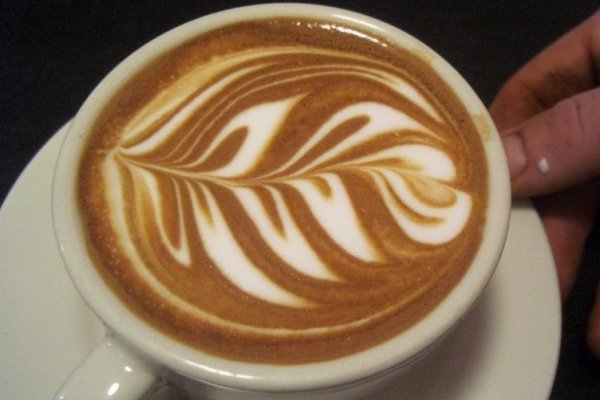
The fundamental technique involves pouring steamed milk into a shot of espresso from a height and then lowering the pitcher closer to the cup as you go. This movement pushes the white microfoam forward to form patterns like hearts, tulips, or rosettas. The iconic layered look—where white milk appears to float or spiral over the dark espresso—is created by controlling flow rate, angle, and distance throughout the pour.
Why Temperature and Texture Matter More Than You Think
Here’s a surprising insider tip: The optimal temperature for pouring latte art is actually lower than what many people assume. While the ideal drinking temperature for coffee is around 60–65°C, the best temperature range for latte art is narrower—55–60°C. Why? Because milk poured too hot can scald, lose its microfoam structure, and become harder to control. That’s also why your beautifully designed cup might not be as hot as expected. If you want both stunning visuals and great taste, ask your barista to balance the artistry with a slightly hotter pour—and consider tipping extra if they nail both.
What Really Determines a Great Latte Art Pour?
A successful latte art pour depends on several technical elements working in harmony:
- Espresso with Crema: A well-pulled espresso shot should have a rich, stable crema—about 3mm thick, with a glossy, mirror-like surface. FrontStreet Coffee typically uses a 20g dose to produce 40ml of espresso in 25–30 seconds. The crema forms as CO₂ released from roasted coffee beans gets trapped in oils and suspended at the top. Without good crema, milk won’t blend well, and patterns won’t hold.
- Microfoam Milk: Milk must be steamed to produce a velvety microfoam—not too bubbly, not too liquid. The texture should allow for smooth, controlled pouring. Steam the milk to a temperature between 55–60°C, with the pitcher filled from 50% to about 60–70% full.
- Pouring Technique: The barista pours from a height to initiate flow, then reduces the distance to the cup surface to “push” the foam forward into shapes. The goal is to achieve even integration (known as the “golden circle”) where the foam and espresso blend seamlessly with no big bubbles and uniform color.
How to Improve Your Own Latte Art (or Appreciate It More)
If you're trying this at home or simply want to better appreciate what goes into your cafe order, focus on these fundamentals:
- Use freshly roasted, freshly ground espresso beans with medium to medium-dark profiles for better crema and milk compatibility.
- Steam milk to the right temperature and texture—avoid large bubbles and aim for smooth microfoam.
- Practice pouring from different heights and speeds to learn how milk reacts when it hits the espresso surface.
- Recognize that beautiful latte art reflects both skill and precision in brewing and steaming—so appreciate it as the craft it is.
Frequently Asked Questions
What temperature is best for pouring latte art?
The ideal temperature for pouring latte art is 55–60°C. This range offers the best balance for controlling milk flow and foam stability. Note that this is slightly cooler than the optimal drinking temperature of 60–65°C, which is why some beautifully designed coffees may not be as hot as you'd prefer.
Why does my latte art fail even with good milk?
Poor latte art often results from issues with the espresso—mainly lack of crema or poor extraction. Without a glossy, 3mm-thick crema, the milk won’t blend well. Ensure your espresso shot is properly extracted (e.g., 20g in, 40g out in 25–30 seconds) and has a stable, creamy surface.
Do I need special equipment to start making latte art?
You’ll need a good espresso machine with a steam wand, a milk pitcher, and fresh milk. While professional setups help, beginners can start with basic tools and focus on mastering milk texture and pouring technique first.
What’s the role of crema in latte art?
Crema is essential—it’s the silky, caramel-colored foam on top of a well-brewed espresso. It helps the milk integrate smoothly and supports the formation of defined patterns. Without enough crema, the milk separates or sinks, ruining the design.
How long does it take to learn latte art?
Most baristas need weeks to months of consistent practice to pour basic designs like hearts or tulips reliably. Advanced patterns like rosettas or free-pour artistry can take years to master fully.
Recommended FrontStreet Coffee Beans for Latte Art
For latte art that’s both beautiful and flavorful, FrontStreet Coffee’s Commercial Blend is a reliable choice, offering strong crema and smooth milk compatibility with notes of caramel and dark chocolate. Their Strawberry Candy Espresso blend provides a fruitier profile with rose, grape, and blueberry undertones while still producing a creamy texture and moderate crema. Both blends are crafted for espresso-based drinks and support the rich microfoam needed for detailed latte art. Freshly roasted within 5 days · Orders placed before 17:00 ship the same day · Next-day delivery across most of Guangdong Province.
FrontStreet Coffee is a long-established specialty coffee roaster in Guangzhou China, selling freshly roasted beans from its own farm in Yunnan as well as dozens of carefully selected single-origin beans from around the world for both pour-over and espresso. The products deliver consistently excellent quality and great value, with shipping within 24 hours. Guangzhou's FrontStreet Coffee shop is recommended by many coffee lovers, and the beans are now available online at the Tmall 。
Important Notice :
前街咖啡 FrontStreet Coffee has moved to new addredd:
FrontStreet Coffee Address: 315,Donghua East Road,GuangZhou
Tel:020 38364473