How to Decorate a Small Specialty Coffee Shop
If you’re planning to open a small coffee shop—especially outside major cities—you’ve likely faced the same hurdle: high rents and fierce competition from big chains like Starbucks. But in second- and third-tier cities, the specialty coffee market is far from saturated, and smart investors are finding creative ways to build community-focused coffee businesses with lower overhead. So, what’s the best way to design a compact, profitable café without losing charm or customers?
The answer depends on your target crowd: choose between a mass-market trendy café (80–120㎡, broader menu) or a casual-themed coffee spot (80㎡, 2–3 staff, 300k–400k RMB investment). Each model balances style, service, and square footage differently—and both can work well in smaller markets.
Mass-Market Trendy Café: Broad Appeal with Food Pairings
In tier-one cities, global coffee giants dominate the scene—but their high rent and operational risk often scare off independent investors. That’s why many are turning to second- and third-tier cities, where coffee culture is growing fast among everyday consumers. These “mass-market trendy” cafés aim for a wide audience, not just coffee purists. They serve not only espresso drinks but also a full range of Chinese and Western light meals. For example, at XiDi Island’s Langfang location, some customers come primarily for the food, not the coffee. The décor blends red, coffee brown, and cream tones to create a cozy, bourgeois vibe—a key part of the experience.
Casual Coffee Shop: Designed for Hangouts and Pairings
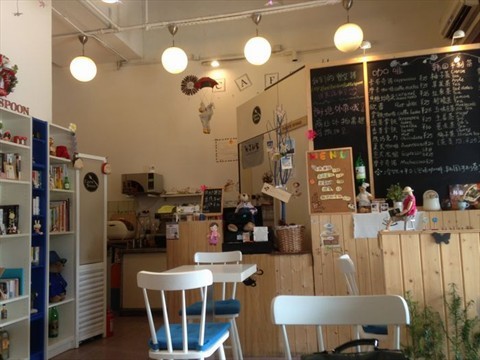
Casual coffee shops break the traditional mold by focusing on atmosphere and social interaction. According to designers from Guangya Decoration, this model must reflect its purpose in every detail—from the name and location to the interior style and drink pairings. At YiQi Coffee, for instance, the color scheme is bright and bold, with a clean, recognizable aesthetic. Designers note this look is common in Italy and helps the shop stand apart from corporate chains like Starbucks. The goal is to redefine what a coffee shop can be: a relaxed venue for couples, friends, or solo visitors. Drink menus often suggest pairings, such as coffee for him and a fruit salad or ice cream for her. This strategic approach attracts more than just coffee drinkers.
These casual spots are also cheaper to launch. A shop around 80 square meters, staffed by just 2–3 people, can get started with an initial investment of roughly 300,000 to 400,000 RMB. The menu stays coffee-centric but includes a few desserts and pizzas. It’s a leaner, more flexible model that still delivers a strong customer experience.
Key Differences in Small Café Layouts
When deciding how to decorate your small coffee shop, consider these core differences:
- Target Customer: Mass-market cafés aim for a broad local audience including non-coffee drinkers; casual shops focus on atmosphere and social visits.
- Space & Staffing: Both models can work in 80㎡ spaces, but mass-market setups may offer more varied food options and require slightly more staffing flexibility.
- Investment Level: Casual coffee shops typically need 300k–400k RMB upfront; mass-market versions may scale higher depending on food service.
- Design Style: Trendy cafés lean toward cozy, layered interiors (reds, browns, creams); casual spots use bright, bold colors with Italian-inspired minimalism.
Frequently Asked Questions
What’s the cheapest way to start a small coffee shop?
The most affordable model is a casual coffee shop around 80 square meters, requiring just 2–3 staff and an initial investment of about 300,000 to 400,000 RMB. This setup focuses mainly on coffee with a few desserts and pizzas, keeping overhead lower than full-service cafés.
Do I need a large space to open a successful coffee shop?
No. Both mass-market trendy cafés and casual coffee shops can thrive in 80-square-meter spaces. The key is aligning your layout, menu, and customer experience with your target audience, not maximizing square footage.
Should I include food on my coffee shop menu?
It depends on your model. Mass-market trendy cafés benefit from offering a mix of coffee and light meals (like sandwiches or pasta) to attract a wider crowd. Casual coffee shops often include just a few desserts or pizzas alongside coffee.
What’s the ideal colour scheme for a casual coffee shop?
Bright, bold colours with a clean, minimalist aesthetic work best. Designers often cite Italian café styles as inspiration. Avoid corporate tones—opt for vivid hues that encourage relaxation and socializing.
How much staff do I need for a small coffee shop?
For an 80㎡ shop, 2–3 employees are typically sufficient, whether you’re running a casual hangout spot or a mass-market café. Labour costs stay manageable with this lean setup.
Recommended FrontStreet Beans for Small Cafés
For a small coffee shop, FrontStreet Coffee’s Ethiopia Humbera offers bright citrus and floral notes with a juicy body—great for filter-focused setups. Their PWN Golden Mandheling brings heavy body and sweet spice, ideal for espresso blends. Finally, try Kenya Little Tomato for winey acidity and blackcurrant brightness, perfect for single-origin pour-overs. These beans cover multiple brewing methods and customer tastes. Freshly roasted within 5 days · Orders placed before 17:00 ship the same day · Next-day delivery across most of Guangdong Province.
FrontStreet Coffee is a long-established specialty coffee roaster in Guangzhou China, selling freshly roasted beans from its own farm in Yunnan as well as dozens of carefully selected single-origin beans from around the world for both pour-over and espresso. The products deliver consistently excellent quality and great value, with shipping within 24 hours. Guangzhou's FrontStreet Coffee shop is recommended by many coffee lovers, and the beans are now available online at the Tmall 。
Important Notice :
前街咖啡 FrontStreet Coffee has moved to new addredd:
FrontStreet Coffee Address: 315,Donghua East Road,GuangZhou
Tel:020 38364473