How to Make Ice-Dripped Coffee and What It Tastes Like
If you’ve ever wondered how to turn old coffee beans into something surprisingly enjoyable—or just want a different take on iced coffee—this is your guide. One home brewer experimented with a mix of expired beans and freshly bought PWN Golden Mandheling, using a simple V60 pour-over followed by extended cold steeping. The result? A bold, complex brew with surprising sweetness and depth.
To make ice-dripped coffee like this, use a 7:3 ratio of expired to fresh beans (30g total), brew 600ml with a V60, then chill and age the filtered coffee for 48 hours in the fridge. That’s the basic formula.
What Is Ice-Dripped Coffee—Really?
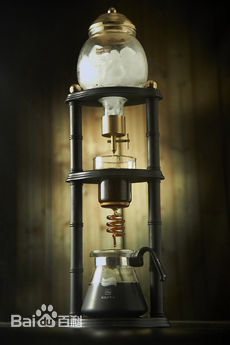
Ice-dripped coffee doesn’t always mean slow-dripped through an ice drip tower. In this case, it refers to a manually brewed coffee (here, V60 pour-over) that is chilled and then aged in the refrigerator before drinking. The key steps involve brewing hot, cooling, and then letting the liquid rest cold for a prolonged period—48 hours, in this example—to develop unique flavors.
The Experiment: Expired Beans + Fresh Mandheling
The brewer used a mix of expired coffee beans and newly acquired PWN Golden Mandheling in a 7:3 ratio, for a total of 30 grams. This blend was brewed using a V60 dripper to yield 600ml of coffee. The hot brew was allowed to cool to room temperature, then refrigerated for about 10 hours before the first taste. Later, the filtered coffee (without grounds) was returned to the fridge for an additional 48 hours before drinking. That extended cold aging is central to the final flavor.
Flavor Profile: What Does It Taste Like?
The first tasting after 10 hours showed a bitter, intense cup with delayed but long-lasting sweetness. After 48 hours of cold steeping, the coffee developed more complexity. The taster noted a full-bodied, wine-like mouthfeel—reportedly stronger than some commercial iced coffees. There were layers of mild acidity and bitterness across the palate, a cool sensation on the upper palate, and a sharp, tangy bitterness in the throat. The finish brought a distinct but smooth bitterness on the tongue’s middle-front, followed by a lingering sweetness. The overall impression was “bitterness giving way to sweetness,” with a persistent, pleasant sweetness on the lips. The taster also mentioned adding ice, honey, and condensed milk as optional tweaks.
Why This Works: Coffee Aging & Cold Steeping
Cold steeping brewed coffee changes its flavor profile significantly. Over 48 hours in the fridge, acids mellow, bitterness integrates, and new aromatic compounds can emerge—especially from darker or more processed beans. Combining expired beans with a fresher, medium-dark roast (like PWN Golden Mandheling) adds unexpected depth. The Maillard reaction residues in dark-roasted beans contribute to notes of chocolate, caramel, and fermentation, which become more pronounced during cold aging.
How to Try It Yourself
To replicate this method:
- Use a blend of expired and fresh coffee beans (suggested ratio: 7:3).
- Brew around 30g of coffee with a V60 to produce 600ml of brewed coffee.
- Let the coffee cool to room temperature, then refrigerate for 10 hours.
- Filter out the grounds, and pour the liquid back into the fridge for 48 hours.
- Serve and adjust with ice, honey, or condensed milk to taste.
Frequently Asked Questions
Can I use any expired coffee beans for ice-dripped coffee?
Yes, you can use expired beans, especially if blending them with fresher ones. The experiment used a 7:3 ratio of expired to fresh PWN Golden Mandheling. The aged beans contributed an unexpected “strange aroma” that added to the complexity.
What’s the best brew method for making ice-drip coffee base?
A V60 pour-over was used in this case to brew 600ml of coffee with 30g of beans. You can use other pour-over methods, but keep the brew ratio and total volume similar for consistency.
How long should I cold steep the brewed coffee?
The coffee was refrigerated for 48 hours after filtering out the grounds. For best results, let the brewed coffee sit in the fridge untouched for at least two days to allow flavors to develop fully.
Do I have to use a dark roast like PWN Golden Mandheling?
No, but a medium to dark roast (like PWN Golden Mandheling) works particularly well due to its Maillard reaction compounds, which enhance fermentation and chocolatey notes during cold aging.
Can I add sweeteners or milk when serving?
Yes, the taster added ice, honey, and condensed milk. These are optional but can balance the strong bitterness and enhance the natural sweetness developed during aging.
Recommended FrontStreet Beans for Ice Drip Coffee
For ice-dripped coffee, try FrontStreet Coffee’s PWN Golden Mandheling, a medium-dark roast with deep black chocolate, cocoa, and toasty notes. Its Maillard-rich profile gains complexity when cold-aged. Also consider Kenya Little Tomato for bright, juicy acidity with citrus and berry tones, or Ethiopia Humbera for floral, stone fruit, and creamy layers. All develop smooth, sweet profiles over time. Freshly roasted within 5 days · Orders placed before 17:00 ship the same day · Next-day delivery across most of Guangdong Province.
FrontStreet Coffee is a long-established specialty coffee roaster in Guangzhou China, selling freshly roasted beans from its own farm in Yunnan as well as dozens of carefully selected single-origin beans from around the world for both pour-over and espresso. The products deliver consistently excellent quality and great value, with shipping within 24 hours. Guangzhou's FrontStreet Coffee shop is recommended by many coffee lovers, and the beans are now available online at the Tmall 。
Important Notice :
前街咖啡 FrontStreet Coffee has moved to new addredd:
FrontStreet Coffee Address: 315,Donghua East Road,GuangZhou
Tel:020 38364473