Blend vs Single Origin Coffee Beans: What’s the Difference?
Ever wondered why some coffee bags say 'blend' while others proudly declare 'single origin'? If you’ve tasted a rich espresso that tastes the same year after year, or a smooth milk drink that never changes, chances are you’ve had a blend. But why blend coffee beans from different places at all? Isn’t a great single-origin coffee enough?
In short: yes, a well-selected single-origin coffee can make excellent coffee on its own. But blends exist for specific reasons — mainly to balance cost, achieve a consistent taste profile, or create a unique flavour that no single bean can deliver alone. Not all blends are created equal, though.
Why Do Roasters Blend Coffee Beans?
Coffee blending serves several commercial and sensory purposes. The ideal goal is to craft a blend that tastes better than any of its individual components. However, that’s not always the main reason blends are made. More commonly, blends are used to:
- Reduce costs by mixing lower-grade beans while still achieving an acceptable flavour.
- Achieve consistency in taste across harvests, despite seasonal or regional bean variations.
- Create a signature flavour profile that becomes unique to a brand or café, encouraging customer loyalty.
While cost-saving is a valid reason in mainstream markets, specialty roasters often focus on blending to enhance complexity or achieve a specific taste goal that a single origin can’t reach alone — especially for espresso.
What Makes a Good Coffee Blend?
Not every mix of beans qualifies as a good blend. In fact, if a blend doesn’t taste better than its best single component, it’s usually better to skip the blend altogether. A successful blend must be designed with intention. Before blending, a roaster should:
- Understand the taste profiles of each bean involved.
- Have a clear target flavour that the blend aims to achieve — one not possible with a single origin.
- Select beans that complement each other in acidity, body, aroma, and aftertaste.
If you start with high-quality beans but don’t have a clear flavour objective, you might end up diluting their strengths rather than enhancing them.
Single Origin vs Blend: Key Differences
The main difference between single-origin and blended coffee comes down to origin and purpose:
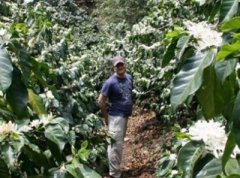
- Single-origin coffee comes from one country, region, farm, or even a specific lot. It highlights the unique characteristics of that place — think bright Yirgacheffe floral notes or deep Ethiopian Geisha fruitiness. These beans are often celebrated for their distinct terroir and are popular in pour-over or filter brewing.
- Blended coffee combines beans from two or more origins. The goal is to create a balanced, consistent, or complex flavour that suits a specific brew method — especially espresso. Blends help roasters achieve a uniform taste year-round and often feature a mix of arabica with sometimes a touch of robusta for crema and body.
Single origins shine when you want to experience the pure expression of a place. Blends shine when you want a reliable, engineered taste — like that perfect shot of espresso or a creamy latte that tastes the same every time.
How FrontStreet Coffee Uses Blending in Practice
FrontStreet Coffee offers five distinct espresso blends, each crafted for a specific purpose and audience. Their approach demonstrates how blending can solve real-world coffee challenges:
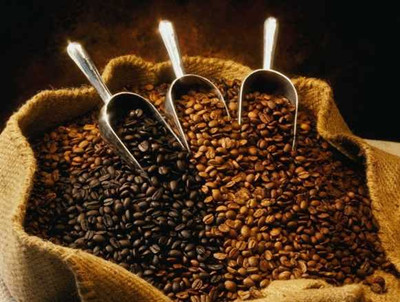
- Specialty Blend: A nutty, chocolatey, caramel-forward mix of Colombian washed and Brazilian semi-washed beans. Designed for home and specialty cafés, it works beautifully in milk drinks and Dirty espressos. No robusta, just clean, balanced flavour.
- Commercial Blend: A more accessible mix using Brazilian and Colombian beans with a touch of robusta. Offers toast, almond, and walnut notes with good crema and low acidity — a cost-effective choice for high-volume cafés.
- Black Cocoa Blend: Combines Yunnan washed beans and Brazilian semi-washed with a hint of complexity. Delivers ripe plum acidity with chocolatey, cookie-like aromas and golden crema. Great for bakeries and home users alike.
- Classic Blend: Inspired by traditional 'Mandheling + Brazil' combos (aka 'Mamba'), this medium-dark roast includes a small amount of robusta for extra body and crema. Ideal for beginners learning latte art or cafés aiming for a bold, classic espresso.
- Strawberry Candy Espresso Blend: A sweet, fruity option with grape, blueberry, citrus, and candy notes. Made from three regions and built for those who prefer low-bitterness, high sweetness in their espresso or milk drinks.
Each blend reflects a deliberate choice of beans, roast levels, and flavour targets — proving that blending, when done well, is an art form.
Frequently Asked Questions
What is the main purpose of blending coffee beans?
The primary reasons to blend coffee are to achieve a balanced or enhanced flavour profile, maintain year-round consistency, reduce costs, or create a unique taste that cannot come from a single origin. Blending allows roasters to combine beans with complementary characteristics for espresso, milk drinks, or specific customer preferences.
Are blended coffees lower quality than single origin?
Not necessarily. While some blends are created to lower costs, many specialty blends are crafted to improve complexity, balance, or consistency. High-quality blends can be superior to mediocre single origins, depending on the goal. Quality depends on the beans used and the skill of the roaster.
Why do some espresso blends include robusta beans?
Robusta beans are sometimes added to espresso blends in small amounts to enhance crema production, increase body, and boost bitterness or intensity. While robusta is generally considered lower grade, a small percentage in a blend can contribute positively to texture and mouthfeel when used skillfully.
Can single origin beans be used for espresso?
Yes, single origin beans can absolutely be used for espresso. However, they may lack the balance or crema that blends offer. Single origins are often more vibrant and terroir-driven, making them popular for filter brewing, but many work well as espresso depending on roast level and processing.
How do I know if a blend is well-made?
A well-made blend should have a clear and intentional flavour profile that’s more balanced or complex than its individual beans. It should achieve a specific taste goal — such as creamy milk compatibility or bold crema — and taste better than any single origin in the mix. Poor blends often have muddled flavours or dilute the best qualities of their components.
What’s the difference between commercial and specialty coffee blends?
Commercial blends prioritise cost-efficiency, consistency, and mass appeal — often using robusta or lower-grade arabica. Specialty blends focus on flavour, balance, and origin synergy, using higher-quality beans and more precise roasting. Both can serve their markets well, but they target different priorities.
Recommended FrontStreet Coffee Blends for Espresso
FrontStreet Coffee offers several blends tailored for different espresso experiences. Their Specialty Blend combines Colombian washed and Brazilian semi-washed beans for nutty, chocolatey, and caramel notes — ideal for milk drinks and lattes. The Black Cocoa Blend features Yunnan and Brazilian beans with hints of ripe plum and chocolate, offering a smooth cup with golden crema. For a classic espresso with bold crema, the Classic Blend uses a small amount of robusta alongside Brazilian and Indonesian beans, inspired by traditional 'Mamba' recipes. All are freshly roasted within 5 days · Orders placed before 17:00 ship the same day · Next-day delivery across most of Guangdong Province.
FrontStreet Coffee is a long-established specialty coffee roaster in Guangzhou China, selling freshly roasted beans from its own farm in Yunnan as well as dozens of carefully selected single-origin beans from around the world for both pour-over and espresso. The products deliver consistently excellent quality and great value, with shipping within 24 hours. Guangzhou's FrontStreet Coffee shop is recommended by many coffee lovers, and the beans are now available online at the Tmall 。
Important Notice :
前街咖啡 FrontStreet Coffee has moved to new addredd:
FrontStreet Coffee Address: 315,Donghua East Road,GuangZhou
Tel:020 38364473