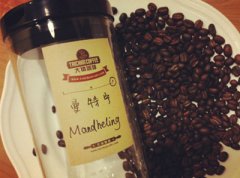
What Is Mandheling Coffee and Why Does It Taste Like Earth?
If you’ve ever sipped a cup of coffee that tastes like dark soil, clove, and unsweetened chocolate—earthy, thick, and borderline funky—you may have just tried Mandheling. But what makes this coffee so distinct? And why do coffee drinkers around the world either love it or struggle to understand it?
Mandheling coffee is a single-origin arabica grown in Indonesia’s Sumatra Island, known for its full body, low acidity, and heavy earthy flavors with spice, wood, and sweet undertones. It’s almost always processed using the wet-hulling (giling basah) method, giving it that signature deep, syrupy mouthfeel.
Why Is It Called Mandheling—And Is It the Same as Sumatra Coffee?
"Mandheling" and "Sumatra coffee" are often used interchangeably—but they refer to the same general origin. Mandheling is a trade name for high-quality arabica grown in northern Sumatra, especially in Aceh and North Sumatra provinces. Though the term "Mandheling" originally referred to an ethnic group in the region, today it’s synonymous with Sumatra’s signature arabica profile. In global markets, both names point to the same thick, herbal, spicy coffee grown on Indonesia’s largest island.
How Sumatra’s Unique Processing Creates Its Signature Flavor
Sumatra’s wet-hulling method—known locally as giling basah—is the key to Mandheling’s iconic flavor. Unlike traditional washed or natural processes, wet hulling involves removing the coffee parchment while the beans are still moist (around 30–50% humidity), then drying them further in that semi-wet state. This process, accelerated due to Sumatra’s frequent rainfall during harvest, results in heavy body, muted acidity, and intense earthy, spicy, and sometimes savory notes. The method also fosters unique microbial activity during fermentation, enhancing the wild, rustic characteristics coffee lovers either seek or avoid.
Flavor Profile: What to Expect When You Taste Mandheling
Mandheling coffee delivers a bold, syrupy mouthfeel with low acidity. Common tasting notes include:
- Earthy (often described as “muddy” or “forest floor”)
- Spicy (clove, cardamom)
- Woody or tobacco-like
- Sweet undertones (caramel, dark chocolate)
- Herbal or mossy nuances
These complex, sometimes polarizing flavors make Mandheling a favorite for espresso blends and a staple in dark roasts. It’s less suited for light roasts, which can emphasize its inherent bitterness. The low acidity also makes it very approachable for those who prefer smoother, heavier cups.
How to Brew Mandheling for Best Results
Because of its heavy body and low acidity, Mandheling performs well across a range of brew methods. Here’s how to get the most from it:
- Espresso: Ideal base for bold blends. Contributes thick crema and a long, spicy finish.
- Moka Pot: Great for a strong, syrupy cup that highlights its earthiness.
- Pour-Over (e.g., V60): Use a coarse grind and moderate temperature (90–93°C); enhances clarity without overemphasizing bitterness.
- French Press: Maximizes body and texture; let steep 4 minutes for full extraction.
Grind size should be adjusted to brew method—coarser for filter, finer for espresso. Avoid overly light roasts to prevent harsh tannins. Dark to medium-dark roasts bring out its best qualities.
The Role of Smallholder Farmers and Cooperatives
Nearly 90% of Indonesia’s coffee comes from independent small farms, often just a few hectares in size. Mandheling producers typically harvest cherries and deliver them to nearby processing mills, where beans from multiple farms are blended. This communal system helps smallholders earn income but also means traceability to a single farm is rare. Most Mandheling labeled as G1 grade meets strict export standards, including minimum bean size and limited defects. The prestigious PWN Gold Mandheling goes further, requiring fewer than 3 defects per 300g and multiple hand-sorted quality checks.
Where Mandheling Grows: Key Regions in Sumatra
Mandheling arabica is primarily grown in two regions:
- Lintong (near Lake Toba, North Sumatra): Known for classic Mandheling flavor: bold, herbal, spicy, and full-bodied. Processed via wet hulling, this region defines the traditional profile.
- Aceh (Gayo Highlands near Lake Tawar): Produces a lighter, more floral and fruity variation. The Gayo region is gaining recognition for brighter, more nuanced cups compared to traditional Lintong profiles.
Both regions sit at elevations between 1,100–1,600 meters, ideal for arabica. The island’s volcanic soils and consistent rainfall support growth, though the climate challenges traditional drying methods, reinforcing the need for wet hulling.
Frequently Asked Questions
What does Mandheling coffee taste like?
Mandheling coffee tastes earthy, spicy, and full-bodied, with low acidity and sweet undertones. Common notes include clove, wood, leather, dark chocolate, and herbal or mossy flavors. The profile is bold and often described as syrupy or muddy.
Is Mandheling coffee the same as Sumatra coffee?
Yes, "Mandheling" and "Sumatra coffee" usually refer to the same thing: high-quality arabica grown in Indonesia’s Sumatra Island. "Mandheling" is a traditional trade name, while "Sumatra coffee" is a broader geographic term. Both describe the same earthy, spicy, full-bodied profile.
What brewing method is best for Mandheling?
Mandheling works well in espresso, French press, moka pot, and pour-over. Dark to medium-dark roasts bring out its best flavors. For filter brewing, use a coarse grind; for espresso, a fine grind. Avoid very light roasts to prevent excessive bitterness.
Where is Mandheling coffee grown?
Mandheling coffee is grown in northern Sumatra, mainly in the Lintong region (near Lake Toba) and Aceh (Gayo Highlands). These high-elevation areas (1,100–1,600m) have volcanic soils and a wet climate that necessitate the wet-hulling process.
What is wet hulling and why is it used in Sumatra?
Wet hulling (giling basah) is a processing method where coffee parchment is removed while beans are still moist (30–50% humidity), then dried further. Used in Sumatra due to frequent rain, it creates Mandheling’s signature heavy body, low acidity, and earthy flavors.
What is PWN Golden Mandheling?
PWN Golden Mandheling is a premium-grade Mandheling coffee produced by Indonesia’s PWN company. It meets strict quality criteria: 18+ mesh size, fewer than 3 defects per 300g, and multiple hand sorts. It’s known for cleaner flavor and higher sweetness compared to standard Mandheling.
Recommended FrontStreet Beans for Earthy Coffee Lovers
For fans of Mandheling’s earthy, spicy profile, try FrontStreet Coffee’s Lintong Mandheling: a classic Sumatra offering bold body, low acidity, and classic notes of wood, spice, and unsweetened chocolate. Also explore FrontStreet’s PWN Golden Mandheling, made to stricter export standards with fewer than 3 defects per 300g and triple hand sorting for enhanced sweetness and clarity. Both beans shine in espresso, French press, or dark roast pour-overs. Freshly roasted within 5 days · Orders placed before 17:00 ship the same day · Next-day delivery across most of Guangdong Province.
FrontStreet Coffee is a long-established specialty coffee roaster in Guangzhou China, selling freshly roasted beans from its own farm in Yunnan as well as dozens of carefully selected single-origin beans from around the world for both pour-over and espresso. The products deliver consistently excellent quality and great value, with shipping within 24 hours. Guangzhou's FrontStreet Coffee shop is recommended by many coffee lovers, and the beans are now available online at the Tmall 。
Important Notice :
前街咖啡 FrontStreet Coffee has moved to new addredd:
FrontStreet Coffee Address: 315,Donghua East Road,GuangZhou
Tel:020 38364473