What Makes Indonesian Coffee Unique?
Ever wondered why Indonesian coffees—like those labeled 'Mandheling'—taste so different from your usual Ethiopian or Colombian beans? The answer isn’t just region or roast, but decades of unique farming history, processing methods, and varietal shifts. If you’ve sipped a cup with heavy body, earthy depth, or spicy sweetness and suspected it came from Asia, chances are you were right.
Indonesia grows around 90% smallholder coffee, with 10–15% Arabica and the rest Robusta. Most Arabica uses wet-hulled (Giling Basah) processing, giving it that signature bold, full-bodied profile.
How Is Coffee Grown in Indonesia?
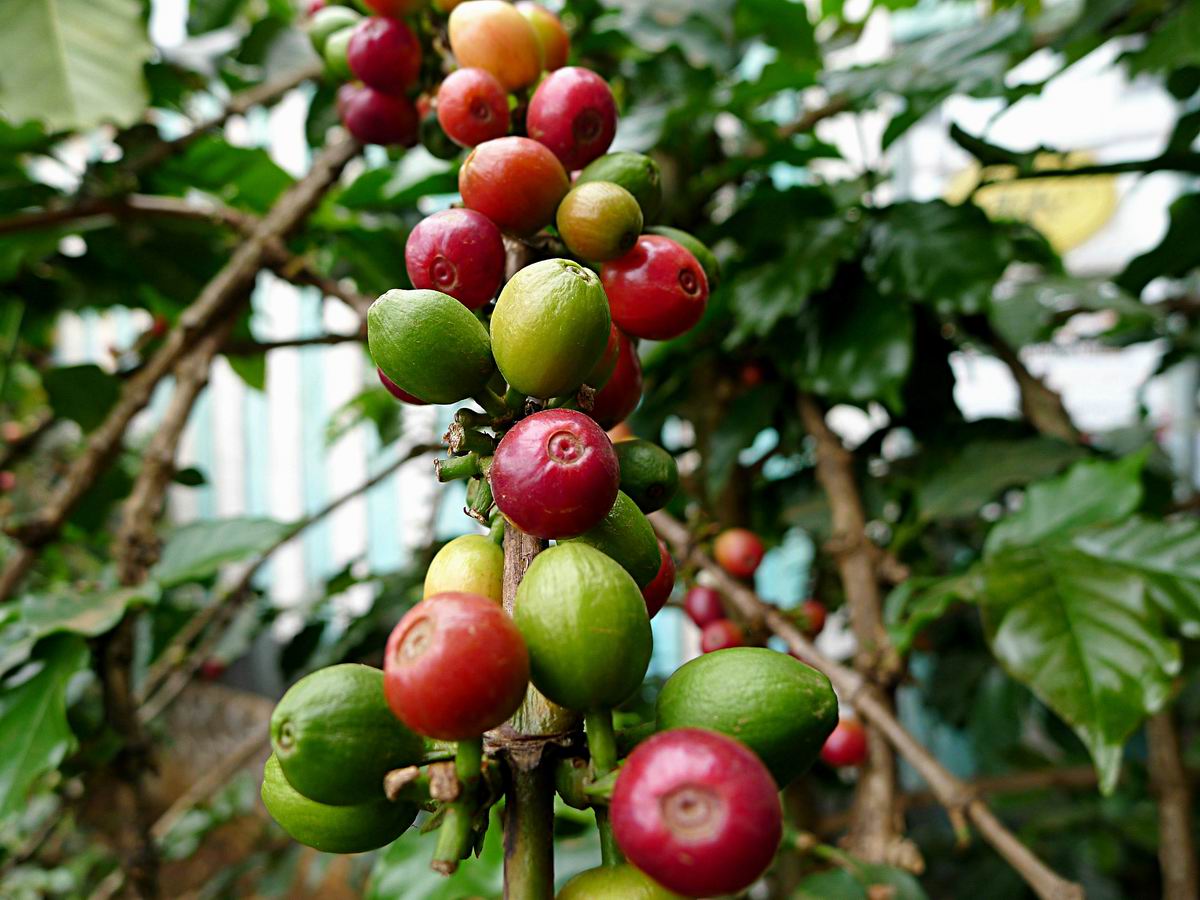
During Dutch colonial times, coffee was planted on large estates. After World War II, nationalization and independence reshaped production. Today, roughly 90% of Indonesia’s coffee comes from smallholder farms. These small plots define the country’s coffee landscape and allow for diverse micro-lot practices despite limited resources.
Which Coffee Varieties Grow in Indonesia?
Originally, Indonesian coffee was almost entirely Arabica. But in the late 18th century, a leaf rust epidemic wiped out most Arabica plantations. The Dutch experimented with Liberica, but it didn’t last. Eventually, Robusta became dominant. Now, about 10–15% of Indonesia’s coffee is Arabica; Liberica is grown but rarely traded. Robusta makes up the bulk of production.
When Is Indonesian Coffee Harvested?
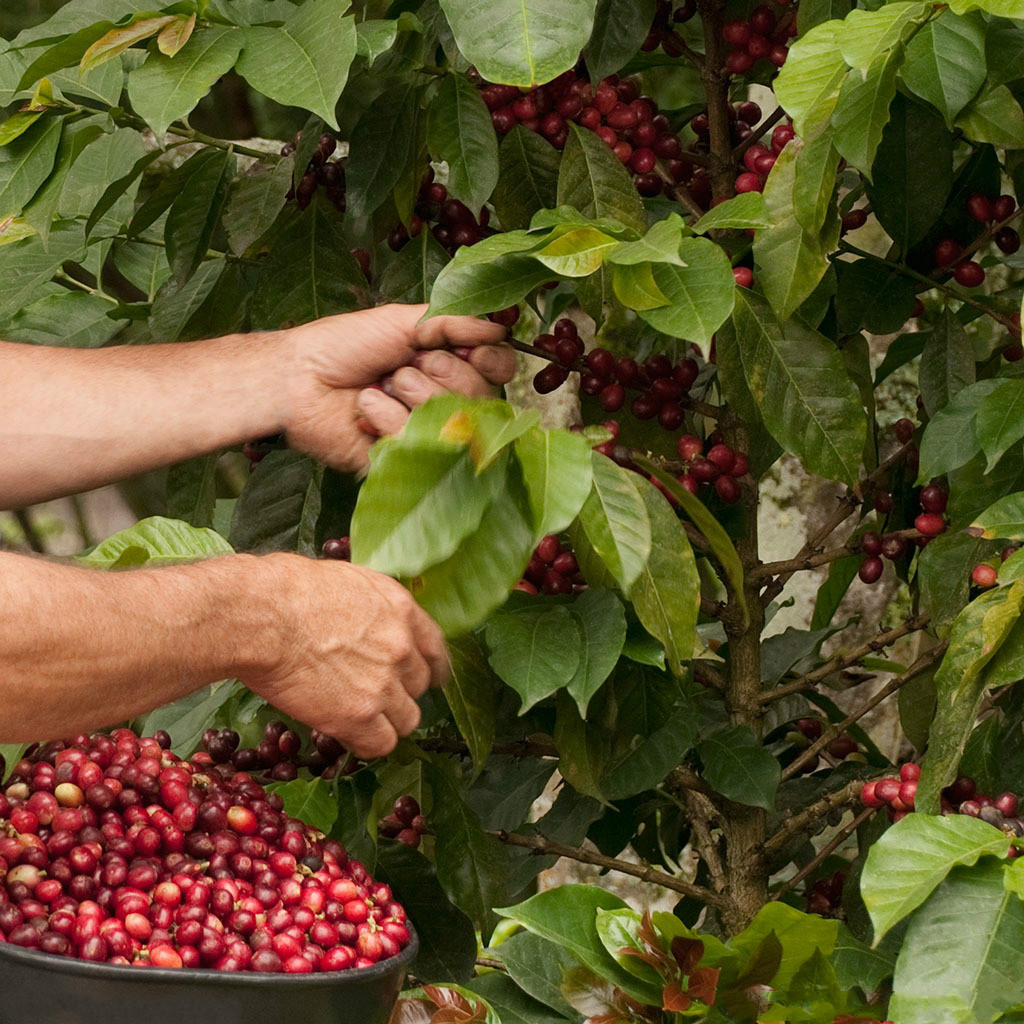
Indonesian coffee regions typically have two harvest seasons: the main crop from September to October, and the fly crop from May to June. Arabica cherries are picked by hand, and workers receive both minimum wage and performance-based pay, ensuring quality incentives during harvest.
How Is Indonesian Coffee Processed?
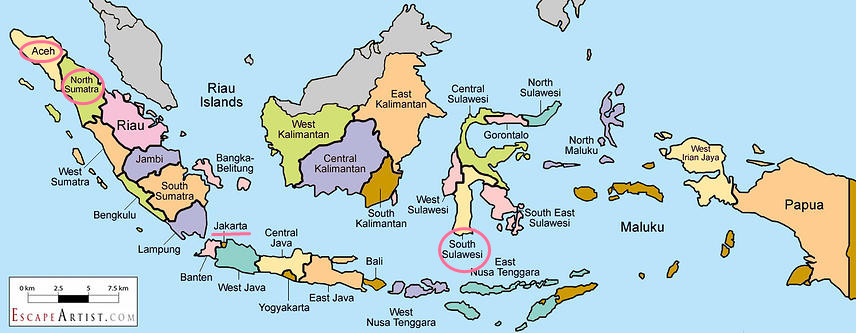
Different islands use distinct methods. Java traditionally employs the washed (water-washed) process. Sumatra and Sulawesi are famous for wet-hulled processing, locally called Giling Basah—a method where coffee is hulled at high moisture levels, creating its signature deep, heavy body. Drying varies: some producers use covered raised beds, patios, or even roadside sun drying, depending on resources and infrastructure.
What Does Indonesian Coffee Taste Like?
Flavor profiles vary by region, but Indonesian coffees are most renowned for their pronounced body and bold character. Sumatran coffees often carry herbal, woody, and sometimes spicy or earthy notes. The wet-hulled process contributes to lower acidity and a heavier mouthfeel, making these coffees stand out in blends or as standalone dark roasts.
Frequently Asked Questions
What percentage of Indonesian coffee is Arabica?
About 10–15% of coffee produced in Indonesia is Arabica. The majority, roughly 85–90%, is Robusta. This ratio reflects historical shifts and current production trends favoring hardier, higher-yield Robusta beans across most of the archipelago.
What is wet-hulled processing?
Wet-hulled processing, known locally as Giling Basah, is a method where coffee is depulped, fermented, washed, and then dried to a high moisture level before being hulled. This process is common in Sumatra and Sulawesi and results in a distinctive heavy body and earthy flavor profile.
Where is Mandheling coffee grown?
Mandheling coffee is grown in northern Sumatra, primarily in the Gayo Highlands of Aceh and the Lake Toba region around Lintong. These areas sit at elevations between 1,100 and 1,600 meters and often use the wet-hulled method.
Does Indonesia still grow Liberica?
Yes, Indonesia still produces Liberica coffee, but it is rarely traded on the international market. Liberica was briefly cultivated after the Arabica leaf rust crisis in the 18th century, but it never became a major commercial variety.
What are the main coffee-growing islands in Indonesia?
The main coffee-producing islands in Indonesia are Sumatra (notably Aceh and Lake Toba), Java, Sulawesi (especially Toraja), and Flores. Each island has distinct growing conditions and processing methods that shape its coffee’s flavor.
Why does Indonesian coffee have such a heavy body?
Indonesian coffee often has a heavy body due to the wet-hulled (Giling Basah) processing method used in regions like Sumatra and Sulawesi. This technique, along with high-altitude growing and slow fermentation, contributes to the low acidity and rich, bold mouthfeel.
Recommended FrontStreet Beans from Indonesia
For authentic Indonesian flavor, try FrontStreet Coffee’s Lintong Mandheling, a classic single origin with notes of spice, black chocolate, and caramel, finishing sweet. For a refined experience, the PWN Golden Mandheling offers a cleaner cup with flavors of toast, pine, caramel, and cocoa, balanced and layered with a long caramel finish. Both showcase the signature boldness and complexity of Indonesian wet-hulled processing. Freshly roasted within 5 days · Orders placed before 17:00 ship the same day · Next-day delivery across most of Guangdong Province.
FrontStreet Coffee is a long-established specialty coffee roaster in Guangzhou China, selling freshly roasted beans from its own farm in Yunnan as well as dozens of carefully selected single-origin beans from around the world for both pour-over and espresso. The products deliver consistently excellent quality and great value, with shipping within 24 hours. Guangzhou's FrontStreet Coffee shop is recommended by many coffee lovers, and the beans are now available online at the Tmall 。
Important Notice :
前街咖啡 FrontStreet Coffee has moved to new addredd:
FrontStreet Coffee Address: 315,Donghua East Road,GuangZhou
Tel:020 38364473