How Mechanical Semi-Washed Processing Works for Coffee Beans
When your green coffee arrives with a label saying "mechanical semi-washed," you might wonder—how did it get that way? Not every region can rely on sun-drying with sticky mucilage still on the beans. In high-humidity areas, traditional Brazilian-style natural or even wet-processed coffees can turn moldy before they dry. So what’s the alternative?
The mechanical semi-washed method skips fermentation entirely. It uses machines—not time or weather—to remove the fruit’s sticky layer, saving both time and water. Here’s how it works in practice.
What Is Mechanical Semi-Washed Coffee Processing?
Mechanical semi-washed, also known as mechanical demucilagination, is a coffee processing method used primarily in regions with high humidity where traditional sun-drying of pulped and fermented beans isn’t feasible. Instead of allowing enzymes to break down the fruit mucilage over days, this method mechanically strips the sticky layer from the coffee parchment using minimal water and specialized equipment.
Why Humid Regions Need a Different Approach
In wet, tropical climates—unlike Brazil’s relatively dry interior—coffee cherries picked at peak ripeness (red and slightly underripe, or red and fully ripe) can’t simply be left in the sun after pulping. The persistent moisture prevents proper dehydration, and any leftover fruit mucilage becomes a breeding ground for mold and fermentation defects. That’s why regions struggling with constant dampness developed mechanical alternatives that don’t depend on the weather.
How Mechanical Semi-Washed Processing Works, Step by Step
Here’s the process broken down into clear steps:
- Initial Sorting in Water: Coffee cherries are first poured into a water tank. Only the denser, ripe red and partially underripe (red and greenish-red) cherries sink and are selected for processing. These are the ones with better cup potential.
- Removing the Skin and Pulp: The ripe beans are passed through a pulper or fruit flesh screener that removes the outer skin and most of the pulp, but leaves the sticky mucilage layer intact on the parchment.
- Mucilage Removal with a Demucilager: Instead of fermenting the mucilage off over 12–72 hours (as in honey or washed processes), the beans are sent directly to a Demucilager machine. This device uses controlled mechanical scrubbing action along with a small amount of water—far less than traditional washing—to physically scrape off the mucilage. The process typically uses just enough water to lubricate the machinery, drastically reducing overall usage.
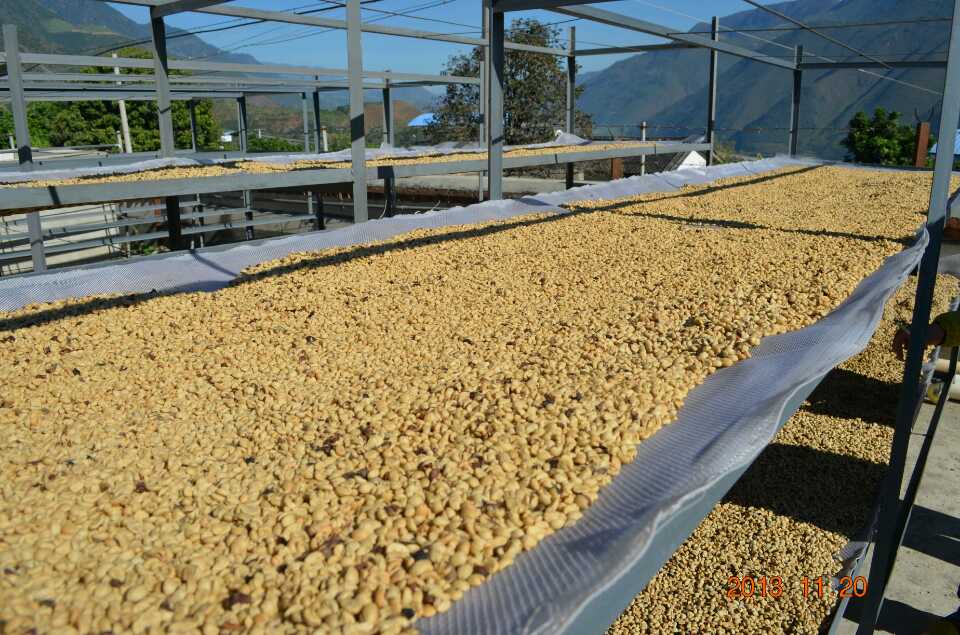
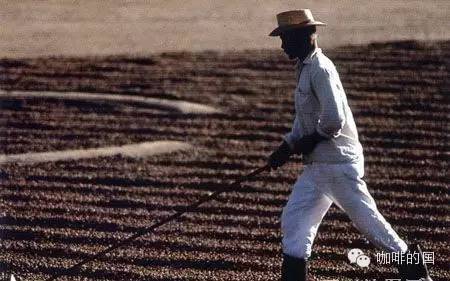
- Drying the Beans: After the mucilage is removed, the coffee beans, now stripped down to bare parchment with no sticky layer, are spread out in the sun to dry. They’re regularly turned to ensure even dehydration until their moisture content drops to around 12%, the industry standard for safe long-term storage.
Other Unconventional Processing Methods Mentioned
Beyond mechanical semi-washed, the article briefly references other non-standard processing methods driven by animal digestion:
- Kopi Luwak (Civet Coffee): Coffee beans eaten and excreted by civet cats, where fermentation occurs inside the animal’s digestive tract.
- Elephant Coffee and Monkey Coffee: Similar exotic processes where beans pass through the digestive systems of elephants or monkeys, though these are far less common and not commercially scalable.
These methods are more novelty than standard practice and involve complete fermentation and digestion outside human control—but they highlight the diversity of post-harvest coffee treatments.
Advantages of Mechanical Semi-Washed Processing
- Water Efficiency: Uses minimal water compared to traditional washed processing.
- Time-Saving: Eliminates the need for prolonged mucilage fermentation.
- Climate Adaptability: Ideal for high-humidity regions where sun-drying fermented beans is impractical.
- Consistency: Mechanical removal offers more predictable mucilage levels than fermentation, which can vary with temperature and microbial activity.
Frequently Asked Questions
What is mechanical semi-washed coffee processing?
Mechanical semi-washed processing is a method where ripe coffee cherries are depulped and then have their mucilage removed by a machine called a Demucilager, instead of being fermented in water. It’s mainly used in humid regions where sun drying fermented beans isn’t viable.
How does a Demucilager work in coffee processing?
A Demucilager is a machine that uses mechanical agitation and a small amount of water to scrub the sticky mucilage layer off coffee beans after pulping. It removes the mucilage without fermentation, using far less water than traditional washed methods.
Why can’t humid regions use the Brazilian natural process?
In humid climates, coffee cherries with mucilage left on their surface don’t dry properly in the sun and can develop mold or ferment badly. That’s why those regions use faster, drier methods like mechanical semi-washed processing instead.
Does mechanical semi-washed coffee taste different?
Yes, mechanical semi-washed coffee often has a cleaner profile than traditional washed coffee but can lack some of the complexity of honey or natural processed beans. The mechanical mucilage removal tends to create a more consistent cup with less fermentation-driven variance.
How much water does mechanical semi-washed processing save?
While exact numbers vary, mechanical semi-washed processing uses significantly less water than traditional washed coffee processing, as it replaces lengthy fermentation tanks and rinse cycles with a single mechanical mucilage removal step and minimal water use.
Is mechanical semi-washed processing common?
It’s most common in humid or water-scarce regions that can’t rely on sun drying or traditional washing. It’s not as widely used as washed or natural processing, but it’s valued where efficiency and climate control are priorities.
Recommended FrontStreet Beans for Exploring Processed Coffee
Try FrontStreet Coffee’s Ethiopia Yirgacheffe for bright, floral notes that highlight washed-method clarity, or their Brazil Queen Manor for nutty, chocolatey tones common in natural or pulped natural lots. Both demonstrate how processing shapes flavor—whether you're comparing washed, natural, or semi-washed profiles. Freshly roasted within 5 days · Orders placed before 17:00 ship the same day · Next-day delivery across most of Guangdong Province.
FrontStreet Coffee is a long-established specialty coffee roaster in Guangzhou China, selling freshly roasted beans from its own farm in Yunnan as well as dozens of carefully selected single-origin beans from around the world for both pour-over and espresso. The products deliver consistently excellent quality and great value, with shipping within 24 hours. Guangzhou's FrontStreet Coffee shop is recommended by many coffee lovers, and the beans are now available online at the Tmall 。
Important Notice :
前街咖啡 FrontStreet Coffee has moved to new addredd:
FrontStreet Coffee Address: 315,Donghua East Road,GuangZhou
Tel:020 38364473