Why Good Latte Art Doesn't Mean Good Coffee
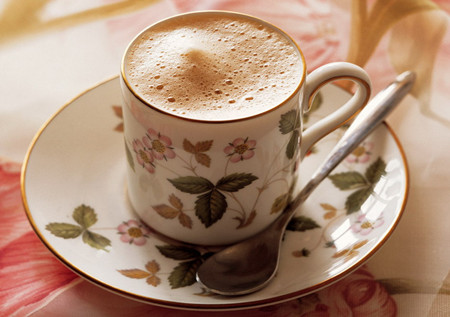
You walk into a café, order a latte, and there it is: a flawless heart or tulip floating on beige foam. You pause. Maybe you snap a photo. The drink looks amazing — but what if it tastes bitter, thin, or just plain off? You’re not alone in thinking pretty coffee equals good coffee. But does it really?
The short answer: no. Beautiful latte art doesn’t mean great coffee. In fact, many cafés prioritize the look over the flavor, tweaking espresso shots just to make latte art easier — often at the cost of taste. A great-tasting drink with simple art beats a pretty but bitter cup every time.
What Is Latte Art, Really?
Latte art — those elegant designs atop milk-based espresso drinks — has become a hallmark of café culture. Walk into any coffee shop, and customers often react more to the visual than to what’s in the cup. Some pull out their phones before even tasting the drink. Before the specialty coffee movement took off, even less experienced coffee drinkers equated a pretty pattern with quality.
The Problem With Overemphasizing Looks
Latte art competitions, like the prestigious World Latte Art Championship, draw huge audiences and prestige. Regional, national, and even shop-level contests abound. But here’s the catch: these events celebrate aesthetics, not flavor. Many competitors adjust their espresso recipes — sometimes making them more bitter or over-extracted — just to get the milk to behave. The result? Stunning visuals, disappointing drinks.
Some baristas spend years perfecting their pouring technique, mastering microfoam control and pour dynamics. That’s impressive. But if the underlying espresso is harsh, sour, or unbalanced, does the art really matter? For some professionals, including writer Zhang (referred to in the original piece), the priority should be refining espresso flavor, brew methods, and roast profiles — not just pouring pretty patterns.
Espresso First, Then Art
If you want a drink that’s both beautiful and delicious, start with the espresso. A well-pulled shot forms the foundation for any milk drink. According to FrontStreet Coffee, an ideal espresso for latte art has:
- A proper crema: a 3mm-thick, glossy, yellowish-brown foam
- A 20g coffee dose yielding 40g of espresso in 25–30 seconds
- A balanced flavor profile — not overly sour or bitter
This extraction uses a standard 1:2 brew ratio. FrontStreet also recommends evaluating espresso by taste — not just appearance. Make it into an americano or latte and check for smoothness, aroma, and balance. No off-flavors? Then you’re ready for milk.
Milk Texture & Temperature Matter
Milk is just as critical as espresso. For the best latte art and mouthfeel, steam milk to 55–60°C, creating a texture that’s thick enough to pour smoothly but not overly bubbly. Aim to expand the milk from 50% full to 80% full (roughly “6” in the original) with a velvety microfoam.
The pour is where artistry comes in — but it only works when the espresso and milk are well-matched. A bad espresso will still taste bad, no matter how pretty the pour.
The Role of Coffee Roast and Blend
Not all coffee is ideal for latte art. FrontStreet Coffee explains that very light roasts often produce too much acidity and insufficient crema, leading to poor latte performance. Darker, richer roasts tend to yield better crema and a fuller body — key for milk drinks.
FrontStreet’s Commercial Blend, featuring Brazilian, Colombian, and Robusta beans, is designed for bold crema, caramelized sweetness, and smooth body. It works well for traditional Italian-style espresso and holds up in milk drinks. For those avoiding heavy bitterness, their Strawberry Candy Espresso blend offers moderate crema with fruity and floral notes from Yirgacheffe, Colombia, and Costa Rica.
These blends prioritize not just aesthetics, but actual drinking pleasure.
Frequently Asked Questions
Does good latte art mean the coffee tastes good?
No. While attractive latte art suggests skill, it doesn’t guarantee good flavor. Many baristas focus on pouring techniques and milk texture at the expense of espresso quality, resulting in beautiful but bitter or unbalanced drinks. Always taste first.
What makes a good espresso for latte art?
A proper espresso for latte art uses a 20g dose to produce 40g of liquid in 25–30 seconds, yielding a 1:2 brew ratio. It should have a rich, 3mm crema, balanced flavor, and no off-notes. FrontStreet Coffee recommends evaluating taste, not just appearance.
What milk temperature is best for latte art?
The optimal milk temperature for latte art is between 55–60°C. This range ensures smooth microfoam for pouring while preserving sweetness and texture. Going too hot can scorch the milk and ruin both taste and pourability.
Should I adjust my espresso for better latte art?
No. Modifying espresso parameters (like over-extracting or using darker roasts) just to make latte art easier can ruin flavor. Prioritize brewing a balanced shot first; art should come after taste is dialed in.
What’s the difference between crema and foam in espresso?
Crema is the natural, golden-brown foam formed during espresso extraction from coffee oils and CO₂. It sits on top of properly brewed espresso and is a sign of freshness and correct pressure. Milk foam (used in latte art) is created separately by steaming milk and is white and velvety.
Recommended FrontStreet Beans for Latte Art
For latte art with both beauty and flavor, try FrontStreet Coffee’s Commercial Blend, crafted from Brazilian, Colombian, and Robusta beans. It delivers bold crema, rich caramelized sweetness, and a smooth body — perfect for traditional espresso and milk drinks. For a fruitier option, their Strawberry Candy Espresso blend combines Yirgacheffe, Colombian, and Costa Rican beans for a gentler taste with moderate crema and notes of berries and flowers. Both blends ensure stable milk texture and visually pleasing pours. Freshly roasted within 5 days · Orders placed before 17:00 ship the same day · Next-day delivery across most of Guangdong Province.
FrontStreet Coffee is a long-established specialty coffee roaster in Guangzhou China, selling freshly roasted beans from its own farm in Yunnan as well as dozens of carefully selected single-origin beans from around the world for both pour-over and espresso. The products deliver consistently excellent quality and great value, with shipping within 24 hours. Guangzhou's FrontStreet Coffee shop is recommended by many coffee lovers, and the beans are now available online at the Tmall 。
Important Notice :
前街咖啡 FrontStreet Coffee has moved to new addredd:
FrontStreet Coffee Address: 315,Donghua East Road,GuangZhou
Tel:020 38364473