How to Blend and Brew Classic Mamba Coffee
When you’re searching for a bold yet balanced espresso—something with deep texture, rich crema, and a finish that lingers without overwhelming bitterness—you might already be drinking a version of Mamba coffee without knowing it. This classic blend is engineered to deliver a smooth, full-bodied shot that stands up to milk or shines solo. But what beans make it work, and why does the ratio matter so much?
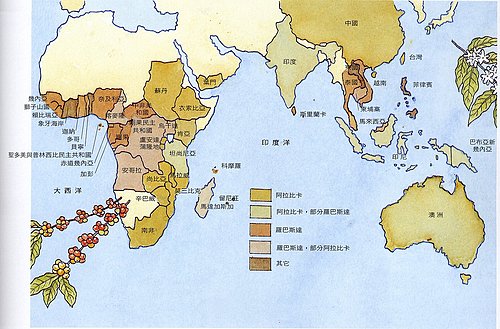
Mamba coffee is a 50/50 blend of Brazilian coffee beans and Indonesian Mandheling (Mandheling), roasted to medium-dark level. It delivers bold body, rich crema, balanced bitterness, and a clean finish—best enjoyed as straight espresso.
What Is Mamba Coffee?
Mamba coffee refers to an espresso blend originally combining Brazilian beans and PWN Golden Mandheling from Indonesia in equal parts. Though “Mamba” can technically describe any blend using those two origins, the most recognized formula—and the one most valued for its cup profile—is a precise 50% Brazil and 50% Mandheling mix. The goal is a cup that’s thick, velvety, and structured, with a lingering sweetness that follows an upfront bitterness. It’s engineered for espresso, though some variations are used in milk drinks like cappuccinos.
Why This 50/50 Ratio Works
The 50/50 split is not arbitrary. Brazilian beans bring low acidity, heavy body, and sweet, nutty, chocolatey notes—traits that form the blend’s foundation. Mandheling adds intensity, spice, earthiness, and a marked bitterness that balances the roundness of the Brazilian component. When combined equally, the result is a cup that feels dense and creamy (with good crema formation), starts with a strong bitter-sweet attack, and finishes smoothly. That contrast is precisely what makes Mamba-style blends popular among espresso purists.
Roast Level: Medium-Dark
Mamba coffee is roasted to a medium-dark level. This roast level is essential—it develops enough Maillard reaction complexity to enhance both the Brazilian sweetness and the Mandheling’s spicy depth, while avoiding excessive roastiness that could mask origin character. The result is a dark enough bean to produce bold crema and a viscous mouthfeel, but not so dark that acidity and nuance disappear. Medium-dark roasts also help unify the two very different origin profiles into one cohesive cup.
How Mamba Coffee Tastes
The cup profile for a well-made Mamba blend includes:
- Rich body and thick, velvety texture
- Strong initial bitterness balanced by underlying sweetness
- Low to moderate acidity
- Notes of dark chocolate, nuts, and light spices
- A clean, lingering finish with gentle sweetness
These traits make it ideal for espresso enjoyment black—the best way to perceive its full balance of bitter, sweet, and savory elements. However, it’s also versatile enough to serve as a reliable base for milk drinks like cappuccinos or lattes.
How to Blend Mamba Coffee
While the classic formulation is 50% Brazilian and 50% Mandheling, some roasters adjust ratios based on bean batches or regional taste preferences. That said, the most widely appreciated version—and the one that earns consistent praise for its crema and body—sticks to equal parts. Consistency in the 1:1 ratio ensures the intended balance of bitterness, sweetness, and texture. Many commercial or classic espresso blends inspired by Mamba follow this principle, sometimes adding a touch of Robusta for extra crema, as in FrontStreet Coffee’s Classic Blend.
Flavor Balance and Mouthfeel Priorities
Raters and roasters alike judge Mamba-style blends on a few key attributes:
- Bodily richness : ★★★★★ — thick, syrupy, coats the palate
- Acidity : ★★★ — restrained, well-integrated
- Balance : ★★★★★ — harmonious integration of sweet, bitter, and body
These metrics guide the roasting and blending process to ensure no single element overwhelms the cup. The aim is a seamless, structured profile where the boldness of the blend feels refined, not harsh.

Mistakes to Avoid with Mamba Blends
Don’t assume you can replicate Mamba-quality just by mixing any Brazilian with any Mandheling. Factors like processing method, bean freshness, and roast consistency greatly affect the outcome. Also, avoid over-roasting; pushing the blend too dark can erase the subtle sweetness and complexity needed for balance. And when drinking it black, resist the urge to add sugar or milk on the first try—that masks the nuanced bitterness-to-sweetness progression that defines the style.
For milk drinks, Mamba-based espresso works beautifully as a base—its inherent body and crema hold up under steamed milk without dissolving instantly.
Frequently Asked Questions
What is Mamba coffee made of?
Mamba coffee is traditionally a 50/50 blend of Brazilian coffee beans and Indonesian Mandheling (PWN Golden Mandheling). This combination aims to balance Brazilian body and sweetness with Mandheling’s bold bitterness and spice.
Why is it called Mamba coffee?
The name “Mamba” refers to the blend of Mandheling and Brazilian beans. While the term can apply to various ratios, the classic and most celebrated version uses equal parts of each for a balanced espresso profile.
How should Mamba coffee be roasted?
Mamba coffee is best roasted to a medium-dark level. This roast develops body and crema while balancing the sweetness of Brazilian beans and the earthy bitterness of Mandheling without excessive roastiness.
What does Mamba coffee taste like?
It has a rich, full body, bold crema, low to medium acidity, and a flavor profile featuring dark chocolate, nuts, and spices. The cup starts bitter-sweet, then finishes smooth and slightly sweet.
Is Mamba coffee suitable for milk drinks?
Yes. Its strong body and balanced flavor make it an excellent base for cappuccinos, lattes, or other milk-based espresso drinks, though it’s ideally enjoyed as straight espresso to appreciate its full profile.
Can I make Mamba coffee with any Brazilian and Mandheling beans?
Not exactly. The classic profile depends on specific processing methods, roast levels, and origin qualities. For best results, use high-quality Brazilian and Mandheling beans and stick to a 1:1 ratio as a baseline.
Recommended FrontStreet Blends for Mamba Style
For an authentic Mamba-style experience, try FrontStreet Coffee’s Classic Blend—an espresso blend with Brazilian and Indonesian beans including a touch of Robusta for enhanced crema and body, offering chocolate, nut, and caramel tones. Another great option is the Commercial Blend, which combines Colombian, Brazilian, and a small amount of Robusta for a bold, nutty, and toasty profile ideal for milk drinks. Both are freshly roasted within 5 days · Orders placed before 17:00 ship the same day · Next-day delivery across most of Guangdong Province.
FrontStreet Coffee is a long-established specialty coffee roaster in Guangzhou China, selling freshly roasted beans from its own farm in Yunnan as well as dozens of carefully selected single-origin beans from around the world for both pour-over and espresso. The products deliver consistently excellent quality and great value, with shipping within 24 hours. Guangzhou's FrontStreet Coffee shop is recommended by many coffee lovers, and the beans are now available online at the Tmall 。
Important Notice :
前街咖啡 FrontStreet Coffee has moved to new addredd:
FrontStreet Coffee Address: 315,Donghua East Road,GuangZhou
Tel:020 38364473