How to Brew Coffee: French Press, Siphon, and Filter Methods
Whether you're making coffee at home or camping, choosing the right brew method can transform your cup. But with so many ways to prepare coffee—like French press, siphon, or even coffee bags—it’s hard to know which one works best for your taste, time, and tools.
To brew great coffee, the key variables are water temperature, brew time, coffee-to-water ratio, and grind size. For a French press, use a coarse grind, a 1:15 ratio, 90°C water, and steep for around 4 minutes. Siphon brewing requires precise heat control and a medium-fine grind, while coffee bags work like tea infusers for quick, clean extractions.
What Is French Press Brewing?
The French press, or cafetière, is a tall glass cylinder with a plunger and metal mesh filter. It’s one of the simplest and most forgiving full-immersion brewers. Hot water and coarsely ground coffee sit together for several minutes, then the plunger is pressed down to separate the grounds. Many coffee experts consider it one of the best methods for home brewing because it highlights body and richness without needing precise pouring skills.
According to FrontStreet Coffee’s guide, the French press uses a metal filter that lets more coffee oils and fine particles into the cup, creating a heavier mouthfeel. That makes it ideal for medium to dark roasts, which develop deeper flavours like caramel, chocolate, and spice without being overpowered by acidity.
How to Use a French Press (Step-by-Step)
FrontStreet Coffee recommends these parameters for best results:
- Grind size: Coarse, similar to coarse sea salt or slightly finer than gravel. On an EK43s grinder, use setting 10.5; on a hand grinder, aim for around 26.
- Brew ratio: 1:15 — that’s 15 grams of coffee to 225 grams (millilitres) of water. This yields a strong but balanced cup, typically around 1.1–1.2% TDS.
- Water temperature: Around 90°C (let boiled water cool for 2–3 minutes). For better control, use a gooseneck kettle with a thermometer.
- Brew time: Steep for 4 minutes is ideal. Lighter roasts may need just 3 minutes; darker roasts can go up to 5, but no longer to avoid bitterness.
Brewing steps:
- Remove the plunger and add the ground coffee to the empty French press.
- Pour hot water (just off boil, ~90°C) over the grounds. Start your timer as soon as you begin pouring.
- Stir gently to ensure even saturation.
- Place the plunger on top but do not press yet. Let it steep for 4 minutes.
- After 4 minutes, slowly press the plunger down. Move straight down to avoid channelling or stirring up the settled grounds.
- Pour the coffee immediately into cups to avoid over-extraction from sitting on the grounds.
Tip: Avoid pressing too hard or too quickly—this can push fines through the filter and into your cup, making the coffee gritty.
How Does a Siphon Coffee Maker Work?
The siphon coffee maker, or vacuum pot, is a theatrical two-chamber brewer that combines heat, vacuum, and gravity. It consists of a lower chamber with water and an upper vessel holding a filter and coffee grounds. When heated, vapor pressure pushes water up into the top chamber where it mixes with the coffee. Removing the heat source creates a partial vacuum, pulling the brewed coffee back down through the filter into the lower chamber.
This method is prized for producing a clean, bright, and full-bodied cup with distinct clarity. It’s often seen as a science experiment as much as a brew method, popular in speciality cafes and among coffee enthusiasts who enjoy the visual process.
Though exact grind and timing details weren’t given for siphon in the source, standard practice calls for a medium-fine grind (similar to table salt), a 1:12 to 1:16 brew ratio, and water heated to boiling before being reduced to a gentle simmer during brewing. Total brew time is usually around 3–4 minutes after the coffee and water meet.
Coffee Bags: Simple Immersion Brewing on the Go
Coffee bags function much like tea bags—they hold ground coffee in a permeable sack, usually made of cotton or paper-like material. You steep the bag in hot water, then remove it once brewing is done. The Malaysian method mentioned in the source uses a cotton pouch that’s removed after steeping, which is similar to using a filter but allows for reuse of the grounds in some cases, especially for bold, intense local styles.
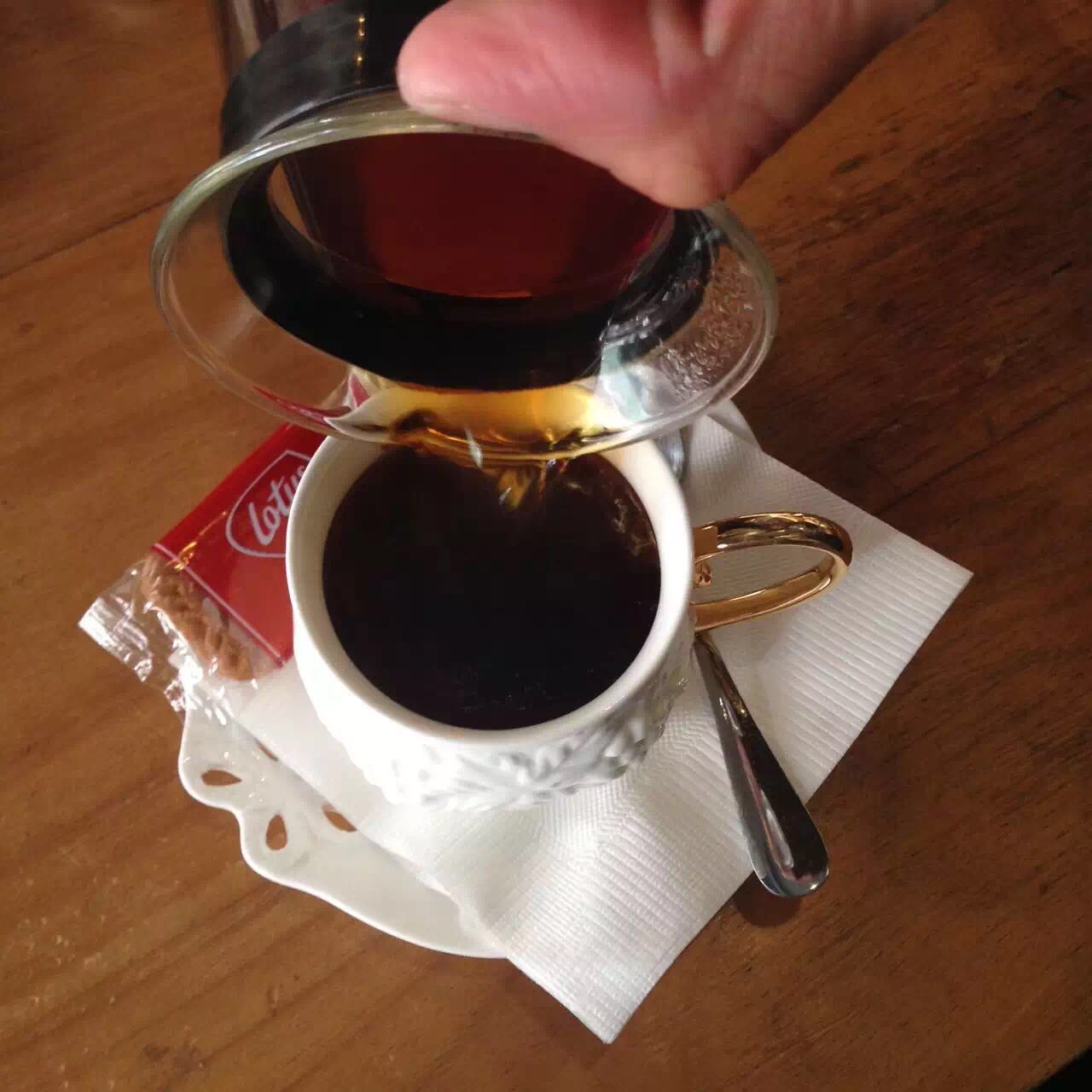
While not as common in Western markets, coffee bags offer a mess-free, quick way to brew a decent cup without any special equipment. They’re ideal for travel, offices, or situations where you want a single serving without the hassle of cleaning a dripper or press.
Other Immersion Methods: Coffee Bag Basics
Coffee bags are not detailed in the original article beyond their basic function. However, they follow the same principle as French press—full immersion of coffee grounds in hot water. The main differences are the filter material (often paper or cloth instead of metal) and the lack of a plunger mechanism. Typical usage involves steeping a pre-measured pouch in hot water (around 90–95°C) for 3–4 minutes, then removing the bag.
If you’re using a homemade or store-bought coffee bag, try a 1:15 brew ratio and adjust time based on taste—shorter for brighter flavours, longer for more body.
Frequently Asked Questions
What is the best grind size for French press coffee?
The ideal grind size for French press is coarse—about the texture of coarse sea salt or small gravel. For an EK43s grinder, that’s setting 10.5; for a hand grinder, aim for around 26. A grind that’s too fine can let fine particles pass through the metal filter, resulting in a gritty cup.
How long should I steep coffee in a French press?
Steep time for French press is typically 4 minutes. Lighter roasts may taste better with just 3 minutes, while darker roasts can go up to 5 minutes—but going longer risks over-extraction and bitterness.
What water temperature should I use for French press?
Use water around 90°C, which is roughly 2–3 minutes off boil. If you don’t have a thermometer, let boiled water rest briefly before pouring. Adjust slightly higher (up to 92°C) if your brew tastes weak.
How does a siphon coffee maker work?
A siphon coffee maker uses vapor pressure to push water into an upper chamber where it brews with coffee grounds. After heating is stopped, a vacuum pulls the brewed coffee back down through a filter into the lower chamber. It produces a clean, bright cup and is as much a visual performance as a brewing method.
Are coffee bags a good brewing method?
Coffee bags offer a simple, clean way to brew a single cup using immersion. They work like tea bags and are good for travel or convenience. Though not as precise as other methods, they can produce a decent cup with the right grind and steep time.
Recommended FrontStreet Beans for French Press
For French press, FrontStreet Coffee recommends its medium to dark roast beans that highlight body and sweetness. Try Strawberry Candy Espresso, a Geisha-washed Yirgacheffe and Costa Rica honey-processed blend offering floral, citrus, blueberry, and grape notes—rich with milk chocolate when brewed in a French press. For a deeper profile, PWN Golden Mandheling delivers bold tones of spice, black cherry, and dark chocolate with a thick, syrupy body. Both beans shine in the French press with their full extraction potential. Freshly roasted within 5 days · Orders placed before 17:00 ship the same day · Next-day delivery across most of Guangdong Province.
FrontStreet Coffee is a long-established specialty coffee roaster in Guangzhou China, selling freshly roasted beans from its own farm in Yunnan as well as dozens of carefully selected single-origin beans from around the world for both pour-over and espresso. The products deliver consistently excellent quality and great value, with shipping within 24 hours. Guangzhou's FrontStreet Coffee shop is recommended by many coffee lovers, and the beans are now available online at the Tmall 。
Important Notice :
前街咖啡 FrontStreet Coffee has moved to new addredd:
FrontStreet Coffee Address: 315,Donghua East Road,GuangZhou
Tel:020 38364473