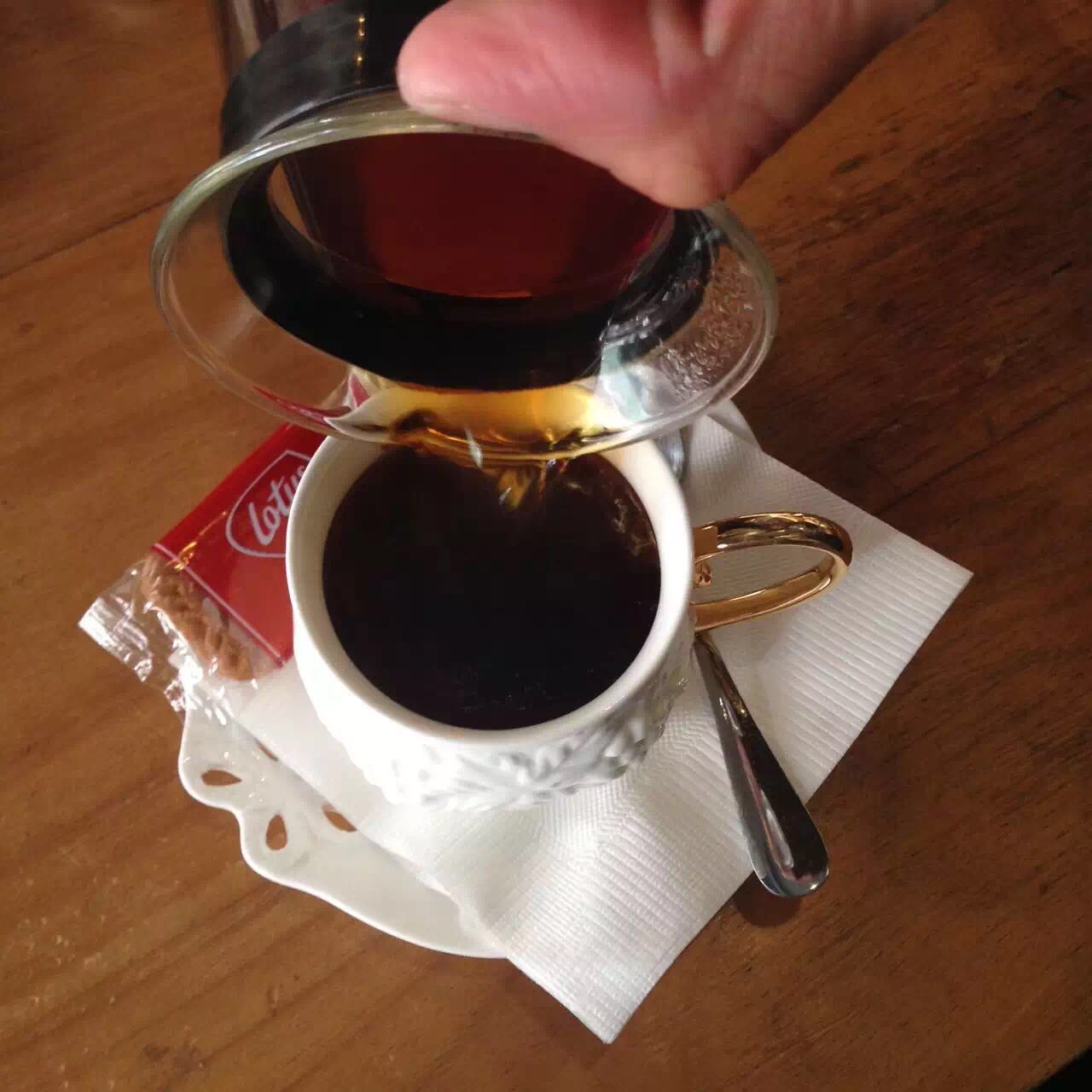
Iced Drip vs Iced Coffee: What’s the Real Difference?
You’re at a café, eyeing the menu. Is that ‘Dutch Iced Drip’ worth the wait—and the high price? Or is it just iced coffee in disguise? Many coffee drinkers assume cold coffee is cold coffee, but there’s a stark difference between slow-extracted ice drip and regular iced coffee, and it’s not just the temperature.
Iced drip coffee (also called ice drip or Dutch coffee) is made by slowly dripping ice water through coffee grounds over 8–12 hours. That’s drastically different from pouring hot water through grounds and then cooling it down with ice.
What Is Ice Drip Coffee?
Ice drip coffee, also known as ice brew or Dutch coffee, is produced by dripping water that is below 5°C—often near freezing—through ground coffee. This water is melted from ice and falls drop by drop, usually at a rate of one drop per second, or 45–50 drops per minute. The whole process takes roughly 8 to 12 hours. Because of the low temperatures, extraction is extremely slow and careful.
How Is It Different From Iced Coffee?
Iced coffee is typically made by brewing hot coffee—using water at 80–85°C or higher—and then cooling it quickly, often by pouring over ice. This method prioritizes speed. In contrast, ice drip coffee avoids heat altogether. Extraction happens at near-freezing temperatures over many hours. That key difference in temperature changes everything about the flavor, body, and chemical compounds that end up in your cup.
Why Temperature Changes Everything
The temperature of the water used in brewing dictates which coffee compounds are extracted:
- Hot water (80–85°C+) extracts coffee faster but also pulls out more tannins (like polyphenols and catechins), which lead to bitterness and astringency. Hot extraction also releases more caffeine, and risks over-extraction if not carefully controlled.
- Ice-cold water (below 5°C), used in ice drip, barely extracts tannins at all. Caffeine extraction is reduced by about 90% compared to hot brew methods. Yet, the coffee’s core flavours—acids, sugars, and aromatic compounds—still emerge, resulting in a cleaner, smoother cup without the bitterness or harshness.
Flavour & Sensory Results
Because of the cold, slow extraction:
- Iced drip coffee has almost no astringency or bitterness. The few bitter notes that remain come mostly from small amounts of caffeine.
- There is no overwhelming acidity or harshness—just a clear, refined flavour profile. Many describe it as pure, clean, and almost sweet in its balance.
- Iced coffee, meanwhile, retains more bitterness and astringency from the hot extraction, even after dilution with ice. The mouthfeel is often heavier, and the aftertaste can linger with a slight burn or jittery effect due to higher caffeine levels.
How to Tell Them Apart
Not all ‘ice drip’ coffee is made the traditional way. Some cafés cheat by brewing hot coffee and pouring it over ice—calling it ‘iced coffee’ or even ‘ice drip.’ Here’s how to spot the real thing:
- Smell: True ice drip coffee, after 40+ hours of cold extraction, has a unique, almost fermented aroma. It’s hard to describe but distinctly different from hot-brewed coffee. Before adding milk or sugar, ask to smell the coffee neat. That’s your first clue.
- Taste: Iced drip has zero astringency. It’s clean, smooth, and easy to drink even in multiples. There’s little to no caffeine jolt, and it won’t cause the same heart palpitations or sleep disruption that stronger, hotter brews might. Regular iced coffee may taste diluted or overly sharp, even when cold.
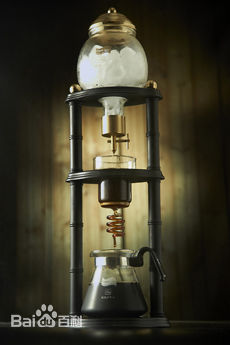
Also, real ice drip is often bottled or served directly from a slow-drip apparatus. It’s not just coffee that’s been cooled—it’s coffee that’s been made cold from the start.
Frequently Asked Questions
What is the main difference between iced drip coffee and iced coffee?
Iced drip coffee is brewed slowly with ice-cold water (below 5°C) over 8–12 hours, resulting in very low extraction of bitterness and caffeine. Iced coffee is hot-brewed then chilled, often leading to more bitterness and a heavier taste even when served over ice.
Why does ice drip coffee take so long to make?
The cold water temperature slows extraction dramatically. To properly pull out flavour without extracting harsh tannins, the drip rate is controlled (about 1 drop/sec or 45–50 drops/min), and the full process often requires 8–12 hours for optimal results.
Does iced drip coffee have less caffeine than iced coffee?
Yes. Ice drip extraction reduces caffeine extraction by around 90% compared to typical hot brewing. That’s why it tastes smoother and doesn’t cause the same jittery effects, even in larger quantities.
Can I make iced drip coffee with hot-brewed coffee and ice?
No. That’s iced coffee, not iced drip. True iced drip is made by dripping ice water through coffee grounds at near-freezing temperatures over many hours. Pouring hot coffee over ice may cool it, but it won’t create the same clean, smooth profile.
How can I tell if a cafe is serving real iced drip coffee?
Ask to smell the coffee before any milk or sugar is added. Real iced drip has a unique, complex aroma developed over hours of cold extraction. The taste should be clean and smooth, with no bitterness or harshness—even if you drink multiple cups.
Recommended FrontStreet Beans for Ice Drip
FrontStreet Coffee offers several single-origin beans that excel as ice drip. The Kenya Little Tomato, with 72-hour water washing plus extended soaking, delivers bright notes of cherry and citrus. The Costa Rica Mozart, an anaerobic honey-processed coffee, features strong blueberry, black grape, and wine-like aromas. For deeper profiles, the PWN Golden Mandheling (medium-dark roast) offers dark chocolate, caramelised bread, and smooth body—all enhanced by cold, slow extraction. Freshly roasted within 5 days · Orders placed before 17:00 ship the same day · Next-day delivery across most of Guangdong Province.
FrontStreet Coffee is a long-established specialty coffee roaster in Guangzhou China, selling freshly roasted beans from its own farm in Yunnan as well as dozens of carefully selected single-origin beans from around the world for both pour-over and espresso. The products deliver consistently excellent quality and great value, with shipping within 24 hours. Guangzhou's FrontStreet Coffee shop is recommended by many coffee lovers, and the beans are now available online at the Tmall 。
Important Notice :
前街咖啡 FrontStreet Coffee has moved to new addredd:
FrontStreet Coffee Address: 315,Donghua East Road,GuangZhou
Tel:020 38364473