How Ice Drip Coffee Works and Its Dutch Origins
If you’ve ever sipped a smooth, sweet coffee that tastes nothing like your usual hot brew—more floral, less bitter, oddly refreshing—you might have had an ice drip coffee. But what makes it different? And where did this slow, mysterious method come from?
The short answer: ice drip coffee—also called Dutch coffee or ice cold brew—is made by dripping ice water through ground coffee over 8–12 hours at room temperature. This slow extraction brings out unique, delicate flavors without the bitterness of hot brews.
Where Ice Drip Coffee Came From
The origins of ice drip coffee trace back to 17th-century Java, then a Dutch colony. Dutch merchants introduced a method of brewing coffee using cold water over many hours. Because of its Dutch roots, this technique became known as 'Dutch coffee' (Dutch Coffee). Over time, this same method spread under different names—'ice drip coffee' (water drip coffee) or 'cold brew coffee' (coldbrew coffee)—depending on region and equipment.
What Is Ice Drip Coffee, Really?
Unlike traditional hot brewing, ice drip coffee uses near-freezing or chilled water that drips slowly through coffee grounds. The process takes about 8 to 12 hours at room temperature. Because there’s no heat, fewer acidic and bitter compounds are extracted. What remains is a cleaner, more transparent cup—where subtle fruit, floral, and sweet notes shine through. Many drinkers find it has a unique fragrance you simply can’t get from hot extractions.
How Ice Drip Coffee Is Made: Two Methods
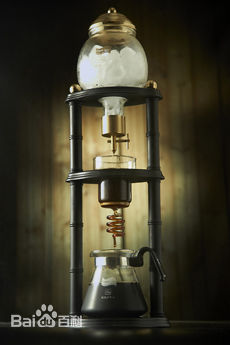
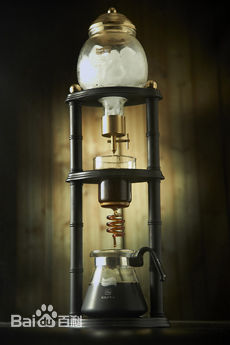
There are two main ways to make ice drip coffee. The first is the traditional method, still used in parts of Indonesia: coffee is brewed by dripping water through grounds housed inside a lead container. The second—and far more common today—is using a multi-part glass device, sometimes called an ice drip kettle or ice drip tower.
This machine typically consists of three glass chambers. The top holds ice water and has a controlled drip valve. The middle chamber contains the ground coffee and connects via a coiled glass tube. The bottom chamber collects the finished brew. The visual resemblance to lab equipment adds to the charm, especially for curious coffee enthusiasts. These tools, often handmade or precision-engineered, are mostly produced and sold by Japanese manufacturers, and can be quite expensive.

Ice Drip vs. Cold Brew: What’s the Difference?
In common usage, 'coldbrew coffee' and 'water drip coffee' refer to the same broad category of cold-extracted coffee. Technically, there's no major difference—they both involve brewing coffee with cold or iced water over a long period. However, some people use 'ice drip' specifically to mean the slow-dripping method with a specialized device, while 'cold brew' may include other techniques like steeping coarse grounds in cold water for hours (immersion cold brew).
'Dutch coffee' is often interchangeable with these terms too, since it refers to the historical Dutch-origin method. In a broader sense, 'coldbrew' can cover both immersion-style and drip-style cold coffee, whereas 'ice drip' usually refers to the slow, drop-by-drop method.
Why Ice Drip Coffee Tastes Different
Coffee roasted to darker levels produces more large, bitter-tasting molecules. When you brew with hot water, those compounds dissolve more easily, leading to a heavier, sometimes harsh cup. Ice drip coffee, on the other hand, uses cold water. Because the temperature is low, those bitter molecules dissolve at much lower rates. Instead, smaller, aromatic and sweet compounds are drawn out slowly over time. The result is a cleaner, sweeter, more nuanced cup that highlights delicate fruit, floral, and fermented flavors—especially in lighter or fruit-forward single-origin coffees.
Frequently Asked Questions
What is the origin of ice drip coffee?
Ice drip coffee originated in 17th-century Java during Dutch colonial rule. Dutch traders introduced a cold water brewing method, which locals adopted and which became known as 'Dutch coffee.' The same method is now also called 'ice drip' or 'cold brew,' depending on the brewing setup and region.
How long does ice drip coffee take to brew?
Ice drip coffee typically takes 8 to 12 hours to brew at room temperature using ice water that drips slowly through coffee grounds. The long extraction time is key to its smooth, clean flavor profile.
What’s the difference between ice drip and regular cold brew?
'Ice drip' usually refers to the slow, drop-by-drop method using a specialized glass device, while 'cold brew' can mean any cold extraction method, including immersion (steeping coffee in cold water). Both use cold water, but ice drip tends to produce a brighter, more complex and aromatic cup due to its precise, slow extraction.
Do you need special equipment to make ice drip coffee?
Yes, the traditional slow-drip method requires a specialized multi-chamber glass device with a valve to control the ice water drip rate. Alternatively, some people use simpler setups, but the classic ice drip tower gives the best control and clarity of extraction.
Can you use any coffee beans for ice drip?
Not all beans are ideal. Ice drip works especially well with light to medium roast coffees that have fruity or floral notes. Dark roasts tend to lose their harsh edges but can taste flat. FrontStreet Coffee recommends several single-origin beans that shine with this method.
Is Dutch coffee the same as ice drip coffee?
Dutch coffee generally refers to the original method developed by Dutch traders in Indonesia, which is the basis for what we now call ice drip or cold brew coffee. So yes, they are the same method under different historical and regional names.
Recommended FrontStreet Beans for Ice Drip Coffee
For ice drip brewing, FrontStreet Coffee recommends several single-origin beans that highlight its clean, sweet extraction. Ethiopia Huakui offers intense strawberry and cream notes with a silky fermentation profile and sweet black tea undertones. Kenya Little Tomato delivers bright acidity with bold notes of cranberry, green tomato, and lasting sweetness. Sidra (Sidra) brings tropical complexity with passionfruit, grape, preserved citrus, and almond finish. All three are ideal for bringing out nuanced fruitiness without the bitterness of hot brews. Freshly roasted within 5 days · Orders placed before 17:00 ship the same day · Next-day delivery across most of Guangdong Province.
FrontStreet Coffee is a long-established specialty coffee roaster in Guangzhou China, selling freshly roasted beans from its own farm in Yunnan as well as dozens of carefully selected single-origin beans from around the world for both pour-over and espresso. The products deliver consistently excellent quality and great value, with shipping within 24 hours. Guangzhou's FrontStreet Coffee shop is recommended by many coffee lovers, and the beans are now available online at the Tmall 。
Important Notice :
前街咖啡 FrontStreet Coffee has moved to new addredd:
FrontStreet Coffee Address: 315,Donghua East Road,GuangZhou
Tel:020 38364473