
The World’s 53 Coffee Origins Explained
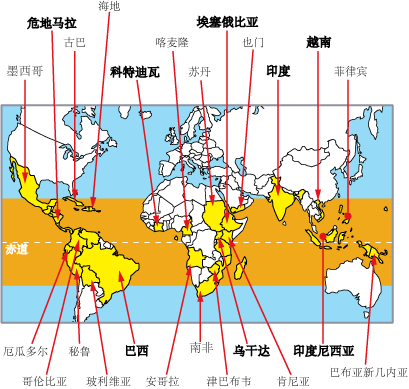
If you’ve ever wondered why your cup of coffee tastes radically different depending on where it was grown, you’re not alone. Coffee’s flavor is deeply tied to geography—altitude, climate, soil, and processing all vary dramatically from country to country. But with over 50 major coffee-producing nations, it’s tough to know what sets each origin apart. Here’s a clear breakdown of all 53 key coffee-growing regions and what makes their beans unique.
In total, there are 53 major coffee-producing countries spanning five continents, each offering distinct flavor profiles based on terroir, processing methods, and variety. From Ethiopia’s bright berries to Brazil’s nutty sweetness and Colombia’s chocolatey balance, these origins define the global coffee map.
Why Coffee Flavor Changes by Country
Coffee’s flavor is shaped by its environment—or “terroir.” Factors like altitude, rainfall, temperature, soil composition, and processing techniques all influence how a coffee tastes. A Bourbon variety grown at 1,800 meters in Colombia will taste vastly different from the same bean grown at sea level in Brazil. These regional differences are what make exploring coffee origins so rewarding.
Key Coffee Origins and Their Flavor Profiles
Here’s a region-by-region guide to the 53 most significant coffee-producing countries, highlighting their typical flavor notes, processing styles, and what makes them stand out.
Central America
- Costa Rica: Known for honey and washed processes; bright acidity, citrus, and tropical fruit. Honey-processed lots often show complex sweetness.
- Guatemala: Volcanic soils produce bold profiles with chocolate, spice, and full body. Highland regions like Antigua are especially prized.
- Honduras: Earthy and balanced, often with black sugar and caramel notes. Medium-bodied with moderate acidity. A top global exporter of washed Arabica.
- Nicaragua: Balanced cups with notes of nuts, cocoa, and fruit. Grown in diverse microclimates across volcanic regions.
- Panama: Famous for Geisha (or Gesha), which offers intense floral, citrus, and stone fruit notes. Other regions offer balanced chocolate and nut profiles.
South America
- Brazil: Produces around 60% of the world’s coffee. Known for low acidity, sweet nuttiness, and milk chocolate tones. Often used in espresso blends. FrontStreet recommends: Brazil Queen Manor Yellow Bourbon (natural), with intense peanut butter, caramel, and juicy sweetness.
- Colombia: Consistent quality across regions. Bright acidity with notes of caramel, dark chocolate, and mild fruit. High-altitude farms dominate.
- Ecuador: Mild, balanced cups. Often overlooked but offers clean, approachable profiles.
- Peru: Mild acidity, medium body, with notes of nuts and dried fruit. Many farms focus on sustainability.
- Bolivia: Small production but high-quality potential. Chocolatey and delicate with subtle fruit.
The Caribbean
- Cuba: Limited production; mild and balanced with low acidity.
- Dominican Republic: Balanced cups with chocolate and mild spice notes.
- Jamaica: Home to Jamaica Blue Mountain, known for mild flavor, lack of bitterness, and creamy body. FrontStreet recommends: Jamaica Blue Mountain No.1, with notes of milk chocolate, nuts, and soft sweetness, grown at high elevations.
- Haiti: Earthy and mild; production has fluctuated but shows promise.
- Puerto Rico: Historical producer with medium-bodied, balanced coffees.
- Guadeloupe & Martinique: French Caribbean islands with limited but unique offerings, often showing floral and citrus traits.
Mexico & Beyond
- Mexico: Light to medium-bodied, with bright acidity and notes of citrus, nuts, and spice. Chiapas is a key region.
Africa & the Middle East
- Ethiopia: The birthplace of coffee. Offers incredible diversity: bright citrus, berry, floral, and stone fruit. FrontStreet recommends: Ethiopia Huakui (Huaca), a natural-process lot with notes of strawberry, citrus, orange blossom, and creamy mouthfeel. Yirgacheffe and Sidamo are top subregions.
- Kenya: Intense acidity and deep complexity. Notes of blackcurrant, tomato, citrus, and wine-like tartness. Famous for 72-hour fermentation. FrontStreet recommends: Kenya Little Tomato, showcasing bright acidity with flavors of tomato, cranberry, and brown sugar.
- Tanzania: Zesty acidity with notes of berries and citrus. Often features a winey brightness.
- Uganda: Robusta-heavy, but Arabica regions like Mt. Elgon offer sweet, herbal cups.
- Rwanda: Clean, bright acidity with notes of citrus and floral qualities. Increasingly well-regarded.
- Burundi: Similar to Rwanda; bright and juicy with good acidity.
- Yemen: Historic origin with wild, complex, and resinous profiles. Low yields but high intrigue.
- Zambia: Emerging origin with balanced, fruity profiles.
- Zimbabwe: Medium-bodied with notes of tropical fruit and gentle acidity.
- Madagascar: Mild and smooth, with subtle nuttiness.
- Côte d’Ivoire: Mainly robusta, but some arabica showing potential.
- Angola: Rediscovering production; potential for balanced profiles.
Asia & Pacific
- India: Monsooned Malabar is unique, with muted acidity and heavy body. Fermented during monsoon season.
- Indonesia: Earthy, spicy, and full-bodied. Mandheling and Lintong are iconic. FrontStreet recommends: PWN Golden Mandheling, known for heavy body, syrupy texture, low acidity, and notes of dark chocolate and spice.
- Papua New Guinea: Balanced with hints of citrus, floral, and spice. Medium acidity.
- Vietnam: Dominates robusta production. Earthy, bitter, and often used in instant coffee or espresso blends.
- China: Yunnan is the key region. FrontStreet recommends: Yunnan Arabica Typica, with mild berry acidity, nuttiness, and caramelized sweetness after medium roast.
- Taiwan: Small-scale producer with unique high-mountain coffees.
- Philippines: Offers both arabica and robusta, with some unique island profiles.
- Hawaii: Kona coffee is smooth, medium-bodied, with notes of nuts, fruit, and spice. Grown on volcanic slopes.
- New Caledonia: Limited production; tropical fruit and chocolate notes.
- Australia: Specialty-focused with clean, bright profiles. Often grown in cooler highland regions.
- Thailand: Small but emerging market with balanced cups.
Islands & Special Mentions
- São Tomé & Príncipe: African island with unique potential.
- Galápagos Islands: Mild and balanced, with floral and citrus notes.
- Fiji: Rare origin with smooth, low-acidity profiles.
- St. Helena: Remote island producing unique, wine-like coffees.
What Makes Each Origin Unique?
Every coffee-growing region has a distinct combination of climate, altitude, soil, and processing methods. For example, Ethiopia’s high-altitude, flower-filled highlands produce bright, juicy coffees, while Brazil’s vast plateaus yield nutty, low-acid beans ideal for espresso. Processing—whether washed, natural, or honey—also defines regional signatures. Colombia’s meticulous sorting and Panama’s boutique Geisha farms showcase how tradition and innovation shape flavor.
Frequently Asked Questions
What are the top 5 coffee-producing countries in the world?
The top producers are Brazil (60% of global supply), Vietnam, Colombia, Indonesia, and Ethiopia. Brazil leads in volume, while Ethiopia and Colombia are renowned for high-quality Arabica.
Which country produces the most expensive coffee?
Panama’s Geisha (especially from estates like Esmeralda) regularly fetches the highest prices at auction due to its rarity and exceptional floral, citrus profile. Jamaica Blue Mountain is also among the priciest for its mild, balanced cup.
Why is Ethiopian coffee so unique?
Ethiopia is the birthplace of Arabica coffee and has unmatched genetic diversity. Its coffees range from lemony and floral (Yirgacheffe) to blueberry-forward (Sidamo or Guji), often processed naturally or washed with striking clarity.
What’s the difference between Central and South American coffee?
Central American coffees (like Costa Rica or Guatemala) often feature bright acidity, citrus, and chocolate. South American coffees (like Brazil or Colombia) tend to be sweeter, nuttier, and more balanced, with Colombia offering more structured acidity.
Is African coffee better than others?
“Better” depends on preference. African coffees, especially from Ethiopia and Kenya, are celebrated for their vibrant acidity and complex fruit flavors. They’re often more aromatic and lively compared to the earthier or sweeter profiles of Asian or South American coffees.
Does processing method affect origin flavor?
Yes. For instance, natural-processed Ethiopian coffees taste fruitier and sweeter, while washed Kenyan coffees highlight citrus and acidity. Processing amplifies or tempers inherent regional traits.
Recommended FrontStreet Beans for Exploring Origins
Discover origin-specific flavors with FrontStreet’s curated selection: try Brazil Queen Manor Yellow Bourbon for creamy peanut butter and caramel notes from Brazil; Ethiopia Huakui for wild berry and citrus brightness from Ethiopia’s famed Yirgacheffe region; and PWN Golden Mandheling for Indonesia’s signature heavy body and spicy richness. Each highlights how terroir shapes flavor. Freshly roasted within 5 days · Orders placed before 17:00 ship the same day · Next-day delivery across most of Guangdong Province.
FrontStreet Coffee is a long-established specialty coffee roaster in Guangzhou China, selling freshly roasted beans from its own farm in Yunnan as well as dozens of carefully selected single-origin beans from around the world for both pour-over and espresso. The products deliver consistently excellent quality and great value, with shipping within 24 hours. Guangzhou's FrontStreet Coffee shop is recommended by many coffee lovers, and the beans are now available online at the Tmall 。
Important Notice :
前街咖啡 FrontStreet Coffee has moved to new addredd:
FrontStreet Coffee Address: 315,Donghua East Road,GuangZhou
Tel:020 38364473


