Haiti Coffee: Flavor & Challenges of Caribbean Origins
Haiti’s coffee farmers face immense challenges: political unrest, poverty, and limited access to farming supplies. Yet, some of the country’s smallholders still manage to produce distinctive coffees. Most Haitian beans grow without synthetic inputs simply because farmers can’t afford fertilizers, fungicides, or pesticides. That limitation shapes a unique cup profile—one that’s raw, bold, and increasingly intriguing to specialty buyers.
Haiti’s coffee production is mostly natural-processed due to economic constraints, not intentional farming style. The majority comes from the northern highlands, yielding beans with full bodies, medium-to-low acidity, and a mild, approachable taste. Though inconsistent, the best lots show real potential.
Where Haiti Coffee Grows
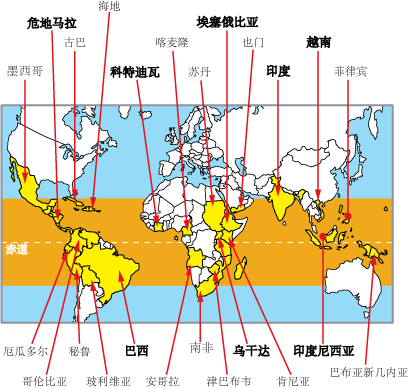
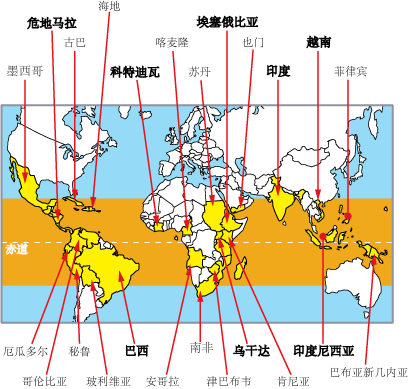
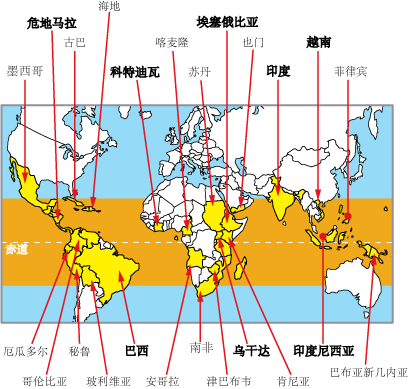
Haiti’s primary coffee-growing region lies in the northern part of the country. Unlike centralized specialty zones in Central America or East Africa, Haitian production is spread across smallholder plots with little infrastructure. The rugged terrain and limited access to inputs mean most coffee is cultivated without agrochemicals—not by design, but due to financial barriers.
How Haitian Coffee Is Processed
Nearly all Haitian coffee is processed naturally. This isn’t a stylistic choice driven by quality ambitions, but a necessity born from poverty. Farmers typically lack the funds for water-processing equipment or the chemicals needed for washed or honey methods. As a result, cherries are dried with the fruit still on the bean—a method that can amplify body and sweetness but also introduces fermentation risks if not carefully managed.
What Haitian Coffee Tastes Like
The best Haitian coffees present a full, rounded body with moderate to low acidity. Flavor notes tend toward mild and approachable rather than bright or complex. Japanese roasters have historically blended Haitian beans into Jamaica Blue Mountain lots to add depth. Expect a cup that’s smooth, low in tang, and easy on the palate—though quality varies significantly between lots.
Why Haitian Coffee Struggles With Consistency
Political instability, economic hardship, and irregular access to agricultural inputs all contribute to inconsistent harvests and fluctuating quality. Without reliable infrastructure or support systems, farmers struggle to maintain consistent processing standards or harvest timing. That said, the natural processing method—though unintended—can sometimes highlight the beans’ inherent sweetness and body when environmental conditions are favorable.
Frequently Asked Questions
Is Haitian coffee naturally processed by choice?
No, most Haitian coffee is naturally processed not because of deliberate quality-driven decisions, but due to economic limitations. Farmers typically can’t afford the equipment or inputs required for washed or honey processing, so they dry the coffee cherries with the fruit still intact. This creates a distinct cup profile, though it also increases risks if drying isn’t well controlled.
Where in Haiti is most coffee grown?
The majority of Haitian coffee comes from the northern highlands of the country. This region provides the best growing conditions, though infrastructure remains minimal and most production is small-scale and scattered across remote farms.
What does Haitian coffee taste like?
High-quality Haitian coffee typically features a full body, medium to low acidity, and a mild, approachable flavor. The cup is often smooth and easy-drinking, with limited brightness. In some cases, it’s blended with Jamaican Blue Mountain to enhance richness.
Why is Haitian coffee so inconsistent?
Inconsistency arises from political instability, poverty, and irregular access to farming tools and inputs. Without stable systems for processing, harvesting, or quality control, results vary widely between farms and harvests—even within the same region.
Does anyone blend Haitian coffee with other origins?
Yes. In Japan, some roasters have blended Haitian coffee into Jamaica Blue Mountain lots to add depth and body to the blend. This practice underscores Haitian coffee’s potential to contribute richness, even if it doesn’t yet have a strong standalone reputation.
Recommended FrontStreet Beans for Natural Process Fans
Explore wild, full-bodied profiles similar to Haitian naturals with FrontStreet Coffee’s Brazil Queen Manor Yellow Bourbon. This Brazilian lot is delicately sun-dried with whole cherry, resulting in rich sweetness and a thick body, featuring peanut, butter, and caramel tones. For more intensity, try the Kenya Little Tomato SL28/SL34, a bright yet structured option with juicy acidity and deep berry notes. Both showcase how natural and extended processes shape unique cups. Freshly roasted within 5 days · Orders placed before 17:00 ship the same day · Next-day delivery across most of Guangdong Province.
FrontStreet Coffee is a long-established specialty coffee roaster in Guangzhou China, selling freshly roasted beans from its own farm in Yunnan as well as dozens of carefully selected single-origin beans from around the world for both pour-over and espresso. The products deliver consistently excellent quality and great value, with shipping within 24 hours. Guangzhou's FrontStreet Coffee shop is recommended by many coffee lovers, and the beans are now available online at the Tmall 。
Important Notice :
前街咖啡 FrontStreet Coffee has moved to new addredd:
FrontStreet Coffee Address: 315,Donghua East Road,GuangZhou
Tel:020 38364473