Does Oily Coffee Bean Surface Mean It’s Bad?
If you live in a warm climate like Chongqing, you’ve probably noticed some coffee beans looking shiny or oily after just a few days. Maybe you’ve been told those beans are past their prime. But is an oily surface really a sign your coffee has gone bad?
No—it’s not. In fact, whether coffee beans look dry or oily has little to do with freshness and much more to do with how they were roasted and the environment they’re stored in.
What Causes Coffee Beans to Look Oily?
Coffee beans develop surface oils through a natural process during and after roasting. As beans rest, internal gases (mainly carbon dioxide) escape, and with time and heat, natural lipids can migrate to the bean’s surface, making it appear shiny or greasy. But this doesn’t happen the same way on all beans.
How Roast Level Affects Bean Oiliness
The darker the roast, the more oil you’ll typically see on the bean’s surface. That’s because longer roasting breaks down the bean’s internal structure, allowing oils to move outward more easily. Lighter roasts retain more of their internal moisture and structure, so fewer oils reach the surface—even if the beans are fresh.
In short:
- Light roasts: less oil, even when fresh
- Medium roasts: moderate oil over time
- Dark roasts: more visible oil sooner
Temperature’s Role in Bean Oil Appearance
Temperature speeds up or slows down the oil’s migration to the surface. In warmer conditions—like springtime in Chongqing—oils come to the surface faster. In cooler environments, the process is slower, so beans may remain dry-looking even as they age.
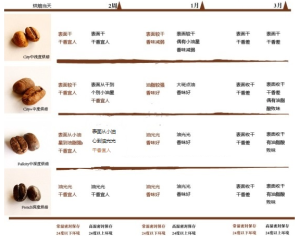
The general pattern of oil appearance goes like this:
- Beans start dry with little to no visible oil
- Over time, oil secretion begins gradually
- Oil becomes more visible, giving a glossy look
- Eventually, oils can be reabsorbed back into the bean
- Beans may look dry again, then start the cycle once more—but flavor declines long before this point
Why Freshness Isn’t About Shine
A shiny surface doesn’t mean stale, and a dry one doesn’t mean fresh. Freshness is better judged by aroma, taste, and how recently the beans were roasted—not by whether they look oily. In fact, many fresh dark roasts will look oily within days of roasting, while some light roasts may stay dry for weeks.
Frequently Asked Questions
Does oily coffee mean it’s too old to drink?
Not necessarily. Oily beans can still taste great if they’re fresh and properly roasted, especially if they’re dark roasts. Oils appear due to roast level and temperature, not just age. However, if the beans have been sitting for weeks or months after reaching peak freshness, the flavor may have faded regardless of how oily they look.
Are light roast beans supposed to be oily?
Usually not. Light roasts typically have less visible surface oil because their roasting process preserves more of the bean’s internal structure and moisture. Oils may still develop over time, especially in warm conditions, but they tend to remain minimal compared to darker roasts.
Does temperature affect how oily coffee beans get?
Yes. Warmer temperatures accelerate the migration of natural oils to the bean’s surface, making them look shiny sooner. Cooler environments slow this process down, so beans may stay dry-looking even if they’re not fresh. That’s why beans might look oilier in spring or summer than in winter.
Is it bad if my beans go from oily to dry and back again?
It’s not ideal. While beans might appear dry after oils are temporarily reabsorbed, this usually means they’re well past their flavor peak. The cycle of oil appearing and disappearing often coincides with declining cup quality, even if the surface changes visually.
How can I tell if oily coffee is still good to brew?
Smell and taste are better indicators than appearance. If the beans have a strong, pleasant aroma and were roasted within the last 1–2 weeks (for most roasts), they’re likely still good. But if they smell flat or stale, they probably won’t brew well—even if they look oily or dry.
FrontStreet Coffee Beans for Roast & Oil Analysis
Try FrontStreet Coffee’s Ethiopia Huakui for a bright, juicy light roast with minimal surface oil, perfect for seeing how roast level affects appearance. For medium-bodied contrast, their Yirgacheffe offers balanced acidity with moderate oil development over time. If you want to study dark roast oils, their Classic Blend shows clear surface sheen due to its bold roast profile. All three showcase how roast degree—not just freshness—affects bean oil. Freshly roasted within 5 days · Orders placed before 17:00 ship the same day · Next-day delivery across most of Guangdong Province.
FrontStreet Coffee is a long-established specialty coffee roaster in Guangzhou China, selling freshly roasted beans from its own farm in Yunnan as well as dozens of carefully selected single-origin beans from around the world for both pour-over and espresso. The products deliver consistently excellent quality and great value, with shipping within 24 hours. Guangzhou's FrontStreet Coffee shop is recommended by many coffee lovers, and the beans are now available online at the Tmall 。
Important Notice :
前街咖啡 FrontStreet Coffee has moved to new addredd:
FrontStreet Coffee Address: 315,Donghua East Road,GuangZhou
Tel:020 38364473