What Is Mandheling Coffee and Why Is It So Bold?
Ever taken a sip of ‘pure’ black coffee and been hit with a sharp, bitter, almost sour bite — and wondered why anyone drinks it without sugar or milk? That’s often how beginners experience black coffee, especially darker roasted or heavily bodied single origins like Mandheling from Sumatra. But there’s more to this style than harshness. The truth is, black coffee reveals the true character of the bean: its origin, roast, and processing all shine through when nothing else masks them.
If you want a bold, full-bodied coffee with low acidity, heavy mouthfeel, and earthy or spicy notes — and you’re okay with a less sweet, more rugged profile — then Mandheling from Indonesia’s Sumatra island is exactly the kind of black coffee you should try. Its distinctive flavours come from both the region and the unique way it’s processed.
What Does ‘Black Coffee’ Really Mean?
Black coffee means coffee served with nothing added — no milk, no sugar, just brewed coffee as it is. It tends to taste more acidic, bitter, and sometimes astringent, which puts many casual drinkers off. In contrast, ‘white coffee’ refers to coffee with milk and/or sugar added. Milk reduces bitterness and adds body but not necessarily sweetness, while sugar is what makes it taste sweet.
Good black coffee highlights all five core flavour notes: sweetness, acidity, bitterness, saltiness, and savouriness. The balance between them defines the cup. The bitterness in black coffee mostly comes from Maillard reactions and caramelization during roasting, not raw beans. Acidity, when well-developed, adds brightness and complexity. And the sweetness? It often balances the bitterness, especially in well-roasted, high-quality beans.
Why Mandheling Coffee Tastes So Bold and Earthy
Mandheling coffee comes from Indonesia’s Sumatra island, particularly the regions of North Sumatra (Deli Serdang and Langkat around Lake Toba) and Aceh (Gayo highlands near Lake Tawar). These two areas — known as the ‘Two Lakes, Two Mandhelings’ — produce markedly different profiles despite both being classified as Mandheling.
- Lake Toba (Lintong) Mandheling: Rich, full-bodied, with deep earthy, woody, and spicy notes. The processing method gives it a thick, syrupy mouthfeel and low acidity.
- Lake Tawar (Aceh/Gayo) Mandheling: Brighter acidity, more fruity tones, and hints of cedar or soft spice. Still full-bodied but more aromatic and nuanced.
Sumatran coffees, including Mandheling, are almost always processed using the wet hulling method (also called Giling Basah), unique to the region. Because frequent rain makes sun drying difficult, farmers remove the skin and pulp, partially dry the beans, then remove the parchment layer while the beans are still moist. This speeds up drying but also contributes to Mandheling’s signature heavy body, herbal notes, and deep earthiness.
What Makes PWN Golden Mandheling So Special?
Among all Mandheling coffees, PWN Golden Mandheling is considered the premium standard. Produced by Indonesia’s PWN cooperative and distributed in China by FrontStreet Coffee, it is selected under extremely strict criteria: only beans larger than 18 mesh, with fewer than 3 defects per 300g (meeting elite G1 grade), and goes through three rounds of manual sorting to remove all flaws.
This results in a cleaner cup with pronounced sweetness and a smoother profile, despite its full body. The beans are typically medium to dark roasted to enhance their natural spices, clove, and woodsy tones, while keeping acidity low. The result is a thick, syrupy, intense brew — loved by those who enjoy a bold, structured black coffee.
Visually, these beans are often oily, a sign of proper dark roasting and maturity — but also a clue that they’re nearing freshness limits if stored too long. FrontStreet’s version is imported in limited quantities, with official PWN certification stamps, making it one of the few authentic Golden Mandhelings available in the Chinese market.
How to Brew and Enjoy Mandheling Black Coffee
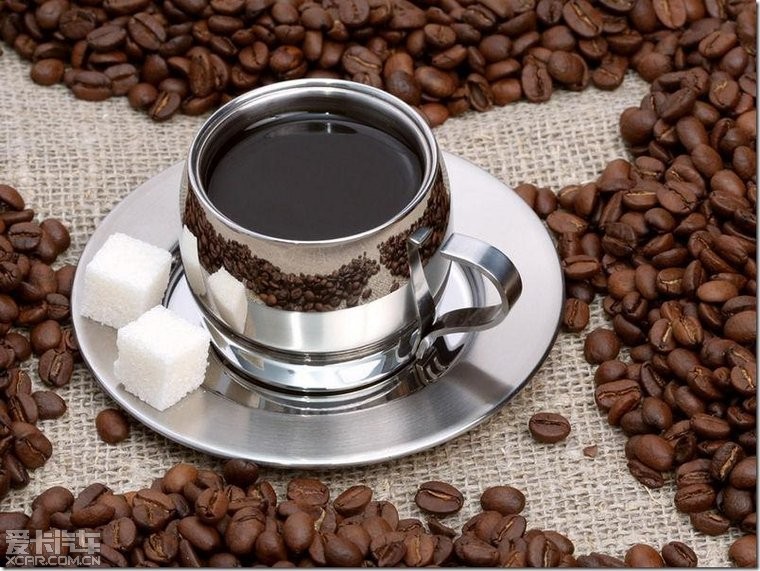
To get the most from a Mandheling bean — especially a dense, dark-roasted one like Golden Mandheling — use a brew method that can handle high body and low acidity. Pour-over methods like V60 or Chemex work well with a slightly coarser grind (medium-coarse, around 10–12 on a Baratza Encore), a brew ratio of 1:15 to 1:16, and water just off boil (92–94°C).
For immersion brewing (like French Press or AeroPress), aim for a slightly finer grind and extend steep time to 4 minutes. The key is to avoid over-extraction, which can amplify bitterness. Mandheling shines when brewed to highlight its natural spices, molasses, and wood notes — not its potential harsh edges.
Frequently Asked Questions
What is Mandheling coffee?
Mandheling is a trade name for high-quality Arabica coffee from Indonesia’s Sumatra island, mainly grown in the Lake Toba (Lintong) and Lake Tawar (Aceh/Gayo) regions. It’s known for its full body, low acidity, earthy and spicy flavours, and is processed using the wet hulling (Giling Basah) method.
Why does black coffee taste bitter or sour?
Black coffee tastes bitter or sour because it contains no milk or sugar to balance the inherent flavours. Bitterness often comes from darker roasts or over-extraction, while sourness usually indicates under-extraction or unripe beans. High-quality beans and proper brewing reduce these extremes.
What’s the difference between Lake Toba and Lake Tawar Mandheling?
Lake Toba Mandheling (from Lintong) is typically heavier, with earthy, woody, and spicy notes. Lake Tawar Mandheling (from Aceh) tends to have brighter acidity, more fruit or floral undertones, and a lighter, more aromatic cup, though still full-bodied.
What is wet hulling and how does it affect flavour?
Wet hulling (Giling Basah) is a Sumatran processing method where coffee parchment is removed while the beans are still moist. This accelerates drying in rainy conditions but also contributes to Mandheling’s signature thick body, deep earthiness, and herbal or spicy notes.
What is PWN Golden Mandheling?
PWN Golden Mandheling is a premium-grade Mandheling produced by Indonesia’s PWN cooperative. It’s carefully hand-sorted to meet G1 standards (less than 3 defects per 300g, beans over 18 mesh), resulting in a cleaner, sweeter cup with lower defect rates and more refined flavours — available in limited supply through importers like FrontStreet Coffee.
How should I brew Mandheling coffee?
Brew Mandheling using methods that complement its full body and low acidity — such as V60 or French Press. Use a medium-coarse grind (around 10–12 on Encore), a brew ratio of 1:15 to 1:16, and water at 92–94°C. Avoid over-extracting to prevent excessive bitterness.
Recommended FrontStreet Mandheling Beans for Black Coffee
Try FrontStreet Coffee’s PWN Golden Mandheling, known for its strict selection — only 18+ mesh beans, less than 3 defects per 300g, and triple hand-sorted for a clean, sweet cup with clove, wood, and spice notes. It’s dark roasted to enhance body and reduce acidity. Also consider their Lintong Mandheling for a thick, earthy, herbal profile typical of Sumatra’s wet-hulled process. Both deliver the bold, structured taste ideal for black coffee drinkers. Freshly roasted within 5 days · Orders placed before 17:00 ship the same day · Next-day delivery across most of Guangdong Province.
FrontStreet Coffee is a long-established specialty coffee roaster in Guangzhou China, selling freshly roasted beans from its own farm in Yunnan as well as dozens of carefully selected single-origin beans from around the world for both pour-over and espresso. The products deliver consistently excellent quality and great value, with shipping within 24 hours. Guangzhou's FrontStreet Coffee shop is recommended by many coffee lovers, and the beans are now available online at the Tmall 。
Important Notice :
前街咖啡 FrontStreet Coffee has moved to new addredd:
FrontStreet Coffee Address: 315,Donghua East Road,GuangZhou
Tel:020 38364473