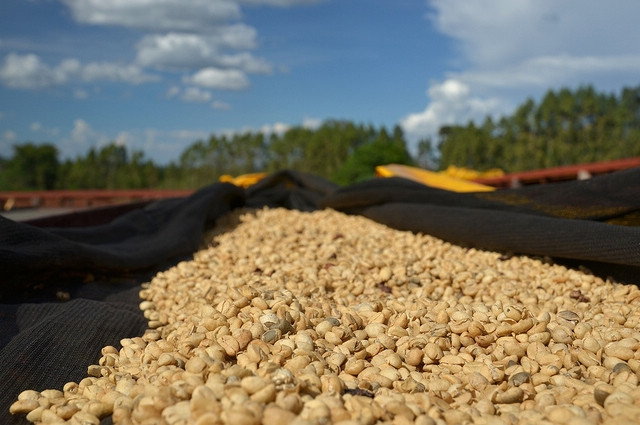
Washed Caturra Coffee from Casa Ruiz in Panama’s Boquete
When you’re hunting for a clean, bright coffee with crisp acidity and layered floral and fruit tones, the origin and processing method matter more than almost anything. Many coffee lovers seek out Panamanian beans for just those qualities—but which farms, varieties, and processes actually deliver? This lot from Panama’s Boquete region shows exactly how those profiles come together.
This single-origin coffee is a washed SHB (Strictly Hard Bean) lot grown at 1400 metres above sea level in Panama’s volcanic Baru highlands, specifically in the famed Boquete valley. Produced by Casa Ruiz, S.A., it is processed using traditional washed methods and primarily features the Caturra variety—offering consistent sweetness, bright citrus acidity, and a clean, fragrant cup.
Where Panama’s Coffee Tradition Began
Coffee arrived in Panama in 1780, brought by Europeans who introduced the first Typica trees. Over time, the unique climate and terrain turned Panama into a destination for high-quality coffee cultivation. The mountainous regions, especially around the Baru Volcano and the Boquete Valley in the northwest, proved ideal for growing beans with distinct character. The area’s rich volcanic soils, high altitudes, and stable climate created the foundation for today’s globally recognised specialty lots.
The Role of Casa Ruiz and the Boquete Region
Casa Ruiz, S.A. is a third-generation coffee farming company established in 1920, based in the Boquete region at the foot of the Baru Volcano. The company manages production across more than 300 small family farms and smallholder estates. Together, they cultivate multiple classic varieties including Typica, Caturra, Catuai, Mundo Novo, and Bourbon. The cooperative approach allows for greater scale while maintaining quality control and sustainable practices. The region sees an average annual rainfall of 3000 mm (mainly between May and November) and temperatures averaging between 14–24°C. Altitudes exceed 1400 metres, creating optimal conditions for slow cherry maturation and complex cup profiles.
Casa Ruiz follows traditional, environmentally conscious farming methods native to Boquete. The surrounding forests provide habitats for migratory birds, showing how integrated the farm is with the local ecosystem. This commitment extends to every stage of production—from cultivation through post-harvest processing and export.
Washed Processing: What It Means for Cup Quality
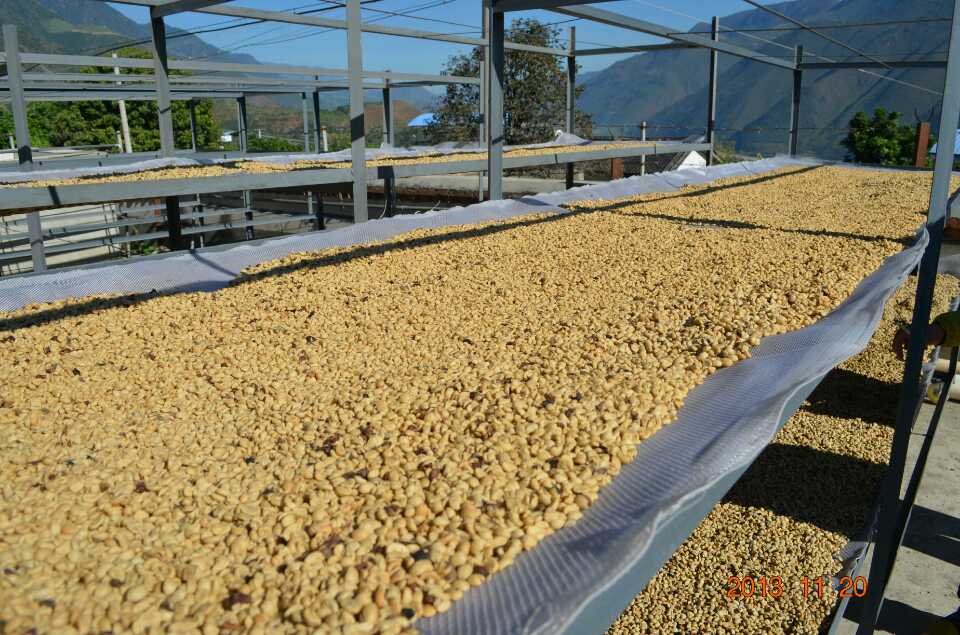
The coffee is processed using the washed (or wet) method—a traditional technique that highlights clarity, acidity, and aroma. In this method, coffee cherries are first floated to remove underripe or defective beans, then depulped to remove the skin. The sticky mucilage is broken down through controlled fermentation before being washed away. Finally, the beans are dried on patios or beds until they reach the ideal moisture content.
Washed processing tends to produce coffees with higher perceived acidity, a cleaner mouthfeel, and more pronounced aromatic qualities. For this reason, it is often favoured for single-origin offerings where clarity of flavour is key. The process also reduces the coffee’s sugar content during fermentation, shifting the balance toward organic acids and volatile aromatic compounds.
Flavour Profile: What to Expect from This Cup
This particular Boquete lot displays a vibrant and balanced cup. On the nose, expect delicate floral aromas alongside notes of citrus. The flavours carry through cleanly on the palate, opening with bright citrus acidity and a smooth, sweet body. Tasting notes include jasmine, orange, ripe apple, fermented stone fruit, berries, cherries, dates, brown sugar, almond tea, and hints of rice grain. The finish is long and lively, with a persistent fruitiness and subtle sweetness.
The cup is described as clean, bright, and well-balanced—with a mild sweetness that complements the nuanced fruit and floral layers. It’s an excellent example of how washed processing can highlight both the terroir and the varietal character of high-altitude Caturra.
Frequently Asked Questions
What is the Boquete region in Panama known for?
The Boquete region, located in the Chiriquí Province near the Baru Volcano in northwest Panama, is renowned for producing high-quality specialty coffee. Its high altitudes (over 1400m), volcanic soils, and cool climate create ideal conditions for cultivating complex, aromatic coffees with bright acidity and floral-fruity notes.
What does SHB mean in coffee grading?
SHB stands for Strictly Hard Bean, a grade given to coffee grown at elevations typically above 1350 metres. At these heights, coffee beans grow more slowly, developing a denser structure and more complex flavours. SHB is a mark of quality in many Central American coffees, including those from Panama.
What is washed coffee processing and how does it affect flavour?
Washed processing, or wet processing, involves removing the coffee cherry’s skin and pulp, then fermenting and washing away the mucilage before drying the beans. This method results in a clean, bright cup with pronounced acidity, clear aromatics, and a lighter body compared to natural or honey processed coffees.
Which coffee variety is primarily featured in this Boquete lot?
This particular lot is predominantly Caturra, a natural mutation of Typica known for its bright acidity, medium body, and ability to express terroir clearly. It is one of the classic varieties grown in Panama’s high-altitude regions.
How does altitude influence the flavour of coffee?
Higher altitudes slow down cherry ripening, allowing sugars to develop more gradually and resulting in denser beans with brighter acidity and more intricate flavour profiles. This Boquete lot is grown at 1400 metres, contributing to its vibrant and complex cup.
Recommended FrontStreet Beans with Bright Acidity & Floral Notes
For fans of this Panama Boquete Caturra, try FrontStreet’s Kenya Little Tomato—a washed Kenyan offering intense acidity with notes of tomato, blackcurrant, and citrus. Also consider the Ethiopia Huakui (Huacaí), a natural-process Ethiopian with floral, stone fruit, and berry complexity. Both share the bright, juicy characteristics of high-grown washed coffees. Freshly roasted within 5 days · Orders placed before 17:00 ship the same day · Next-day delivery across most of Guangdong Province.
FrontStreet Coffee is a long-established specialty coffee roaster in Guangzhou China, selling freshly roasted beans from its own farm in Yunnan as well as dozens of carefully selected single-origin beans from around the world for both pour-over and espresso. The products deliver consistently excellent quality and great value, with shipping within 24 hours. Guangzhou's FrontStreet Coffee shop is recommended by many coffee lovers, and the beans are now available online at the Tmall 。
Important Notice :
前街咖啡 FrontStreet Coffee has moved to new addredd:
FrontStreet Coffee Address: 315,Donghua East Road,GuangZhou
Tel:020 38364473