Why Panamanian Geisha Coffee Beans Are So Expensive
If you’ve ever wondered why everyone raves about Panamanian Geisha coffee—and why it costs more than most other single origins—you’re not alone. This isn’t just another expensive coffee trend. There’s a specific set of genetic, environmental, and processing factors that make Geisha stand apart in the specialty coffee world.
In short: Panamanian Geisha coffee is expensive because it’s rare (with only around 270kg produced annually by top estates like Hacienda Esmeralda), grows best at high altitudes (1600–1800m), demands ideal microclimates, and offers an unusually vibrant cup profile of floral, citrus, and stone fruit notes. Its limited supply and exceptional sensory qualities drive both demand and price.
The Origins of the Geisha Variety
The Geisha variety (also spelled Gesha) originates from the wild coffee forests of Kaffa in southwestern Ethiopia. It was first collected in 1931 as part of efforts to identify disease-resistant coffee plants. The variety was named after nearby Geisha Mountain. From there, it travelled to Kenya, Uganda, Tanzania, and eventually Costa Rica’s CATIE research centre in 1953, where it was catalogued as T2722.
Despite being distributed to various farms, Geisha didn’t gain popularity due to its fragile branches, low yield, and unremarkable performance at the time. It wasn’t until the 1960s, when the variety was introduced to Panama by CATIE, that its potential began to emerge.
How Geisha Found Its Home in Panama
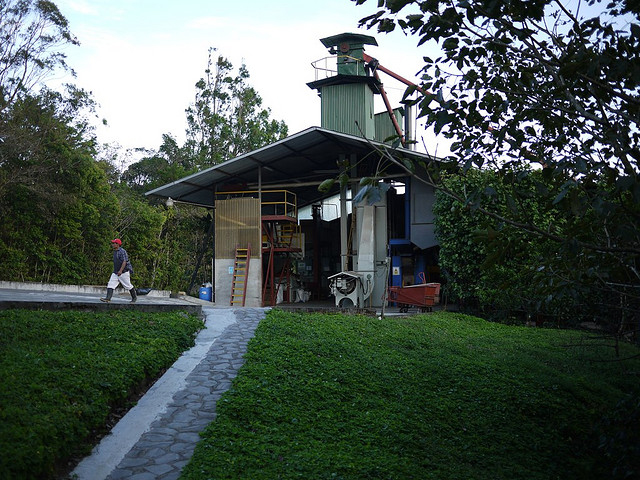
In the 1990s, the Peterson family, owners of Hacienda Esmeralda in Boquete, Chiriquí, planted Geisha alongside other varieties on their high-altitude farm Jaramillo. When leaf rust disease affected many coffee trees, the Petersons noticed that Geisha remained healthy and showed unusual resilience. They began to cultivate it more intentionally at higher elevations.
The turning point came in 2003 during a routine cupping session, when Geisha displayed an extraordinarily vibrant cup: intense white floral aromas, exceptionally clean acidity, and a finish of tropical fruits and citrus. Impressed, the Petersons entered it into the 2004 Best of Panama (BOP) competition under the name “Geisha,” marking the first time this variety would make an international splash.
What Makes Geisha Coffee So Special?
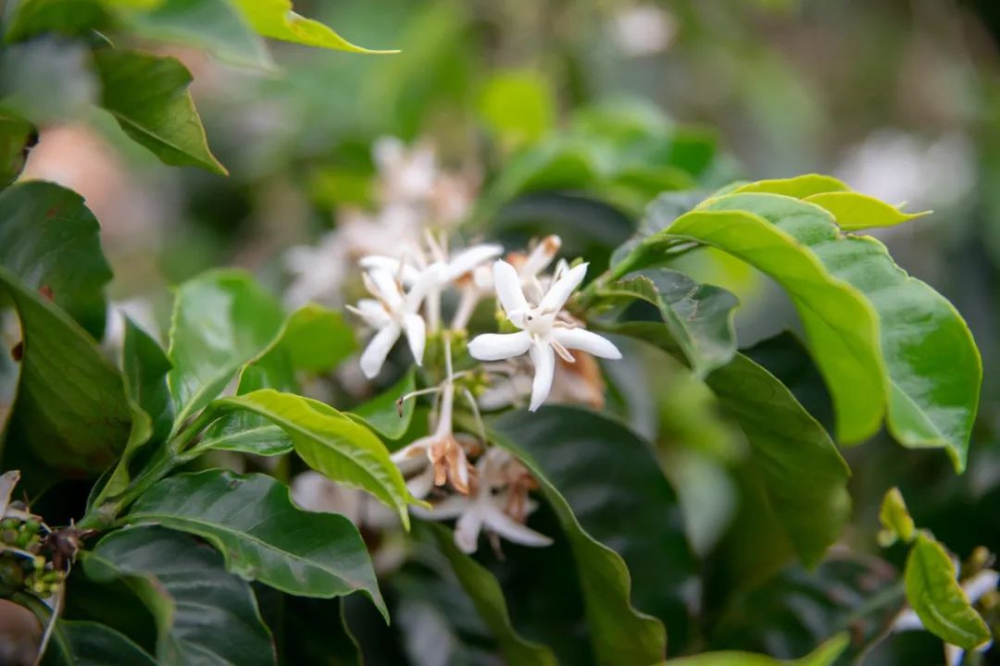
Geisha is unlike traditional dark-roasted coffees. It tastes more like a fragrant floral tea with complex fruit layers. Depending on brewing and processing, you may detect jasmine, bergamot, ripe stone fruit, citrus, and even subtle herbal or tea-like notes. These unique characteristics shine at lighter roast levels, making Geisha a favourite among specialty coffee enthusiasts.
Flavour aside, several key factors contribute to its high market value:
- Rarity: Panama produces roughly 10,000 metric tons of coffee annually, but Hacienda Esmeralda—the most famous Geisha producer—only yields about 150 60kg bags (9,000kg) per year. Of that, only around 3% (approximately 270kg) is Geisha.
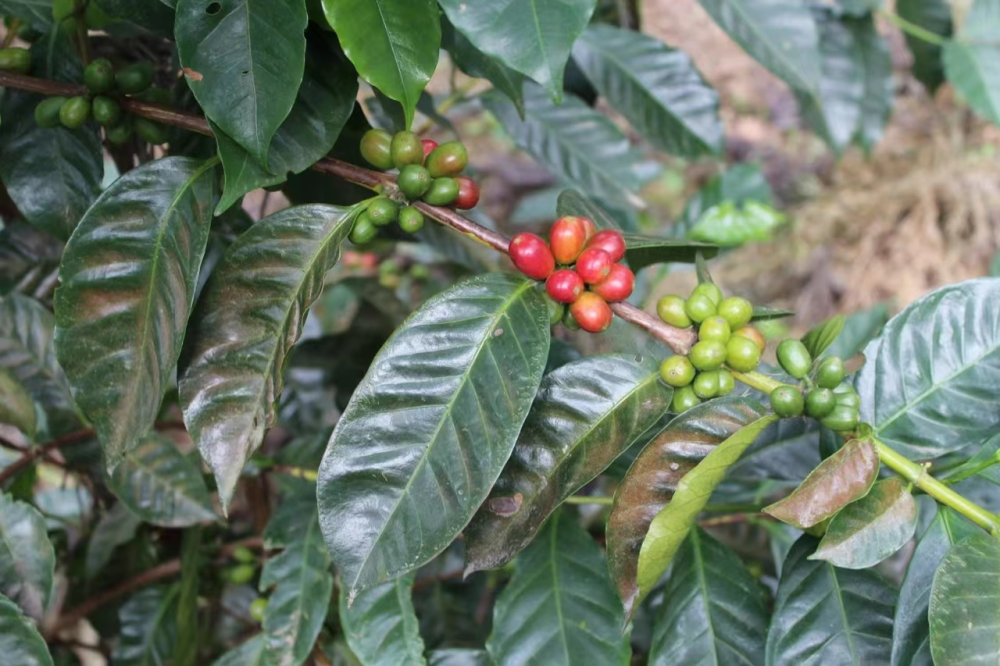
- Growing Challenges: Geisha trees are delicate, with thin leaves that limit photosynthesis and fragile root systems that hinder nutrient uptake. They require high altitudes (1600–1800m), fertile soil, shade, and cool temperatures, all of which slow growth and reduce yields compared to more common varieties like Caturra.
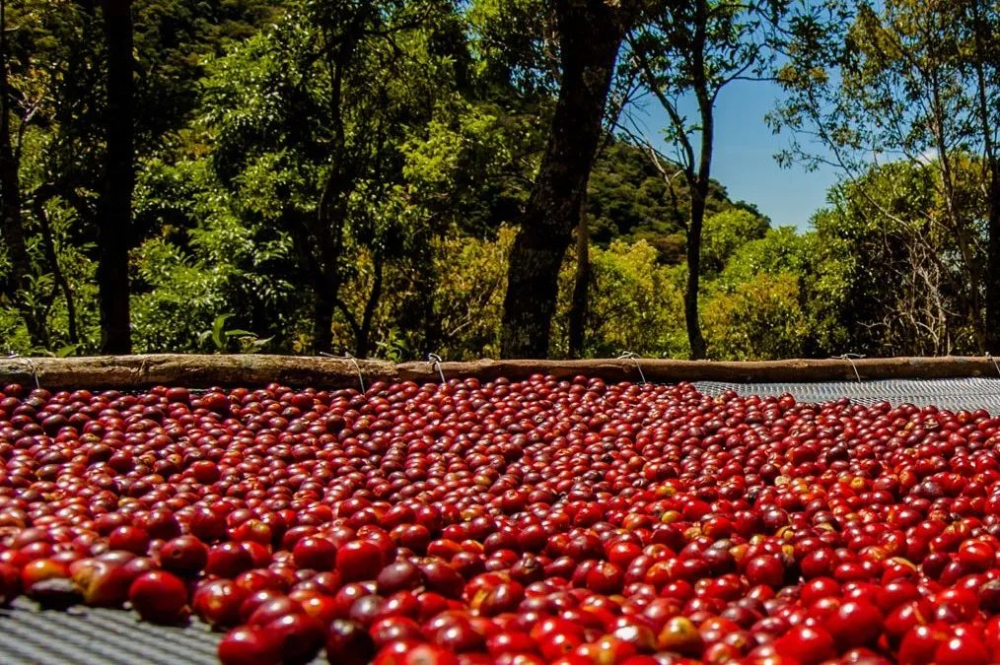
- Labor and Altitude: The fruit takes longer to ripen at elevation, increasing labour costs and limiting output further.
- Demand: Media coverage and competition wins have created strong global demand, especially for single-origin, high-scoring Geisha lots.
Understanding the Esmeralda Geisha Grades: Red Label vs Green Label
Hacienda Esmeralda separates its Geisha offerings into two primary tiers: Red Label and Green Label. Both are grown at 1600–1800m but differ in sourcing, processing, and exclusivity.
Red Label (Esmeralda Special)
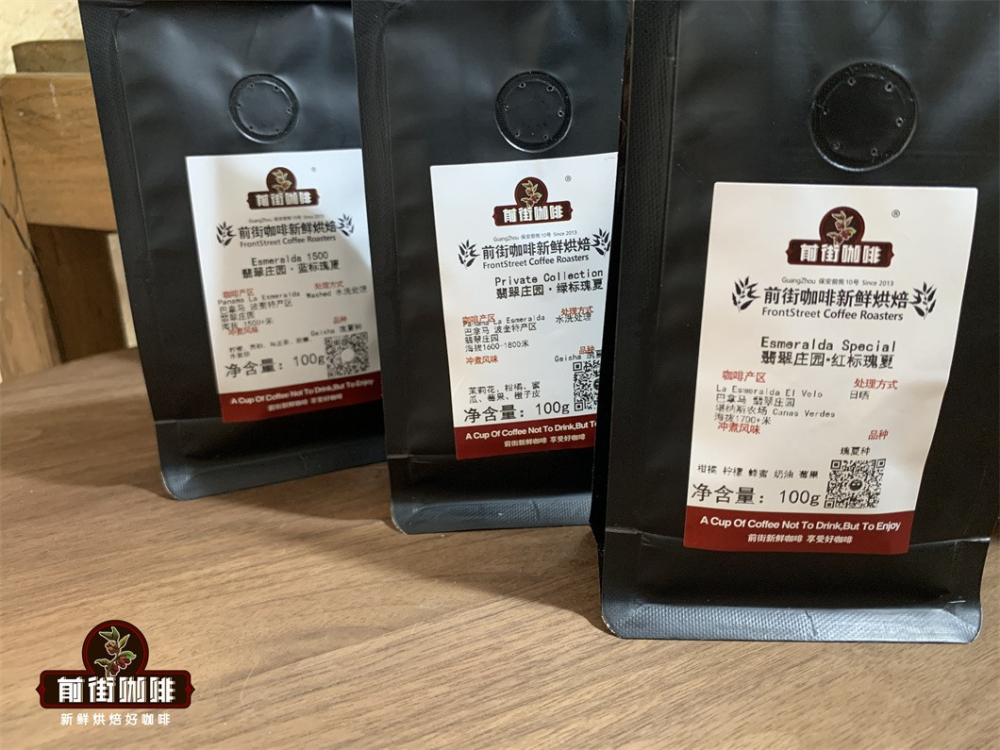
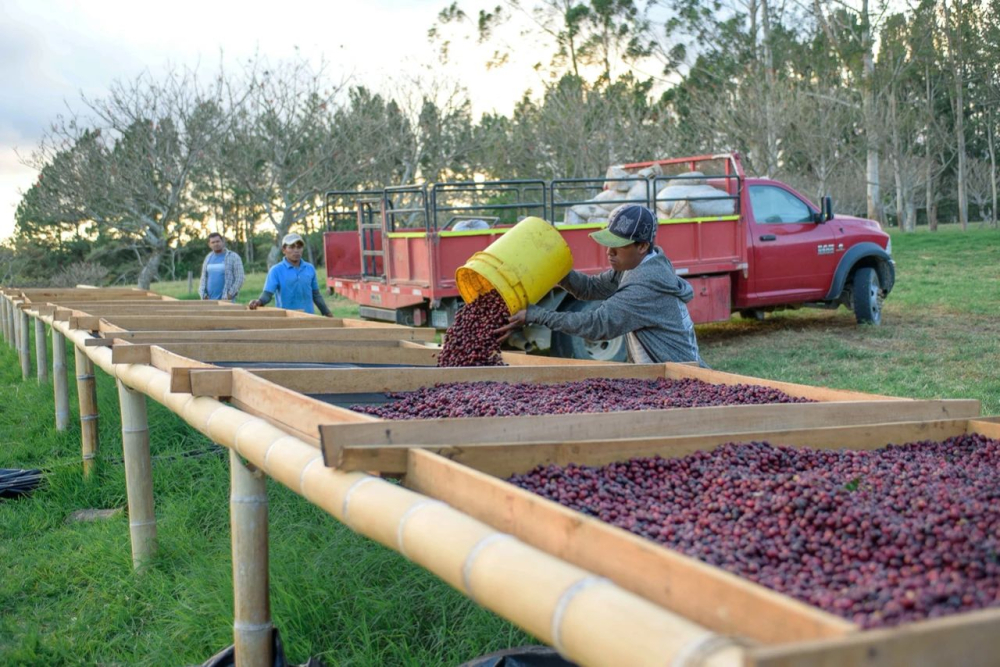
The Red Label includes the estate’s highest-rated Geisha lots, often scoring over 90 points in cupping. These beans come from specific micro-lots such as Jaramillo and Cañas Verdes, and some are entered into the annual BOP auction. The most famous of these is the Mario lot from the Jaramillo farm, which FrontStreet Coffee offers as a sundried (natural) processed Geisha. Red Label lots are highly sought after and command premium prices through competitive bidding.
Green Label (Private Collection)
The Green Label is a selection of Geisha beans from various non-specific micro-lots within the same altitude range. While not entered into auctions, these beans still represent the signature high-altitude Geisha profile. FrontStreet Coffee’s Green Label Geisha is processed using the washed method, yielding a cleaner, brighter cup with notes of lemon, berry, pomelo, and Tieguanyin oolong tea. Though slightly more accessible, it remains a high-quality representation of Panama’s iconic variety.
How to Brew Geisha for Best Results
To highlight Geisha’s delicate floral and citrus characteristics, FrontStreet Coffee recommends a medium-fine grind and a relatively light roast. Their preferred brewing parameters for V60 pour-over are as follows:
- Method: Hario V60
- Grind Size: Fine sugar-like (20 mesh sieve, 80% passing)
- Brew Ratio: 1:16 (15g coffee to 240g water)
- Water Temperature: 91–92°C
- Total Brew Time: ~2:10
Step-by-step (Three-Pour Method):
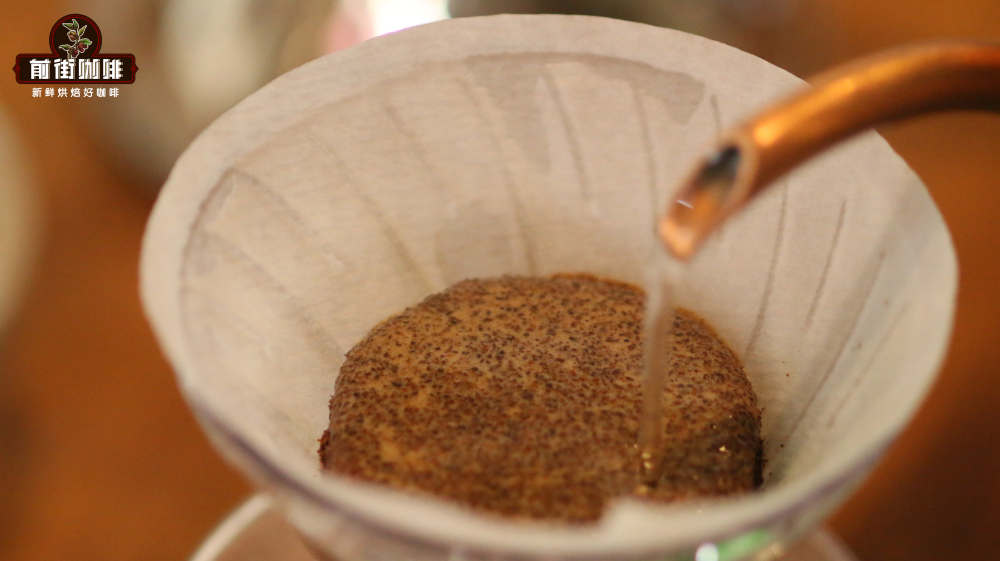
- Bloom 15g coffee with 30g water for 30 seconds, ensuring even saturation.
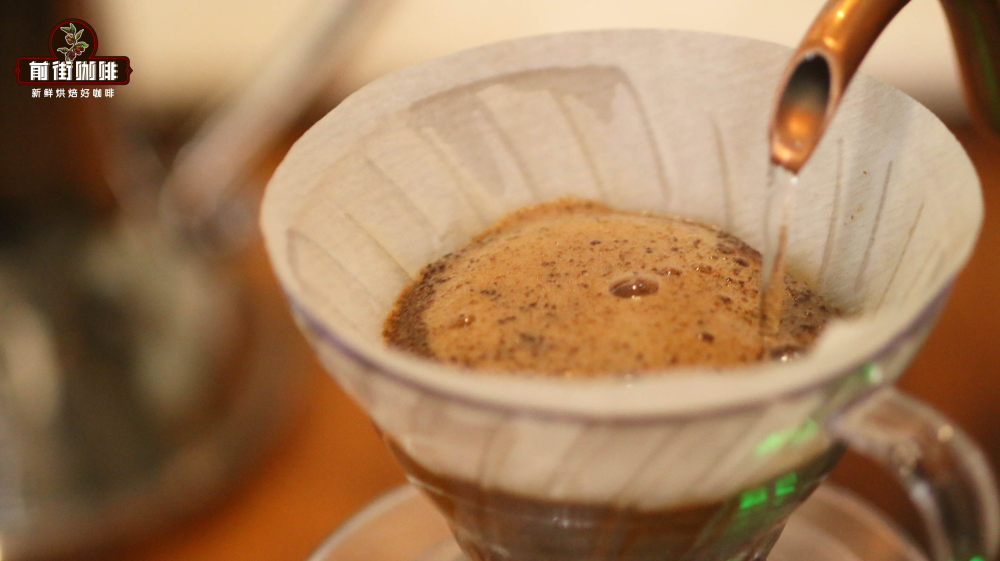
- Add 120g water in a steady spiral, bringing the total to 150g by ~55 seconds.
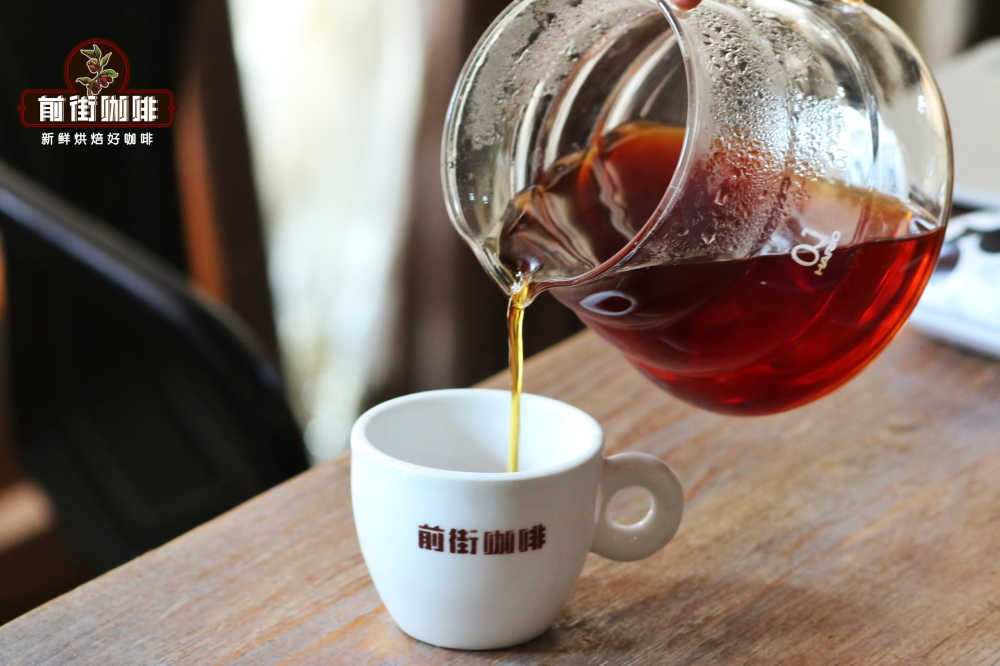
- Slowly pour the remaining 90g, focusing on the center to avoid disrupting the coffee bed, finishing around 2:10.
This method enhances Geisha’s aromatic complexity and clarity. Expect the Red Label to express intense rose, mango, and creamy texture; the Green Label offers a crisper profile with jasmine, berry, lemon, and lingering green tea notes.
Frequently Asked Questions
What makes Geisha coffee different from other coffees?
Geisha coffee is distinct for its bright acidity, complex floral and citrus notes (like jasmine, bergamot, and tropical fruit), and a tea-like body. It performs exceptionally well at lighter roasts and originates from the Geisha/T2722 cultivar, which is genetically rare and demanding to grow.
Why is Panamanian Geisha coffee so expensive?
High prices result from limited supply (around 270kg per year from top estates), labor-intensive cultivation at high altitudes, low yields compared to common varieties, and strong global demand driven by competition wins and unique flavour profiles.
What is the difference between Red Label and Green Label Geisha?
Red Label Geisha comes from specific high-scoring micro-lots (like Jaramillo’s Mario plot) and is often auction-grade, with cup scores over 90. Green Label consists of selected non-specific high-altitude Geisha lots, usually washed, offering classic Geisha traits at a slightly lower price point.
Where is the best place to grow Geisha coffee?
Geisha thrives best in high-altitude regions with cool temperatures, rich volcanic soils, and shaded growing conditions—such as Boquete in Panama’s Chiriquí province, particularly around farms like Hacienda Esmeralda.
How should I brew Geisha coffee at home?
For the best results, use a V60 or similar pour-over method with a medium-fine grind (similar to table salt or fine sugar), a 1:16 brew ratio, water at 91–92°C, and a three-pour technique to enhance clarity and aroma.
Does Geisha coffee taste like traditional coffee?
No—Geisha tastes more like a floral, fruity tea than a typical bold or bitter coffee. It has little roasted or chocolatey character, emphasizing brightness, juiciness, and aromatic complexity instead.

Recommended FrontStreet Geisha Coffee Beans
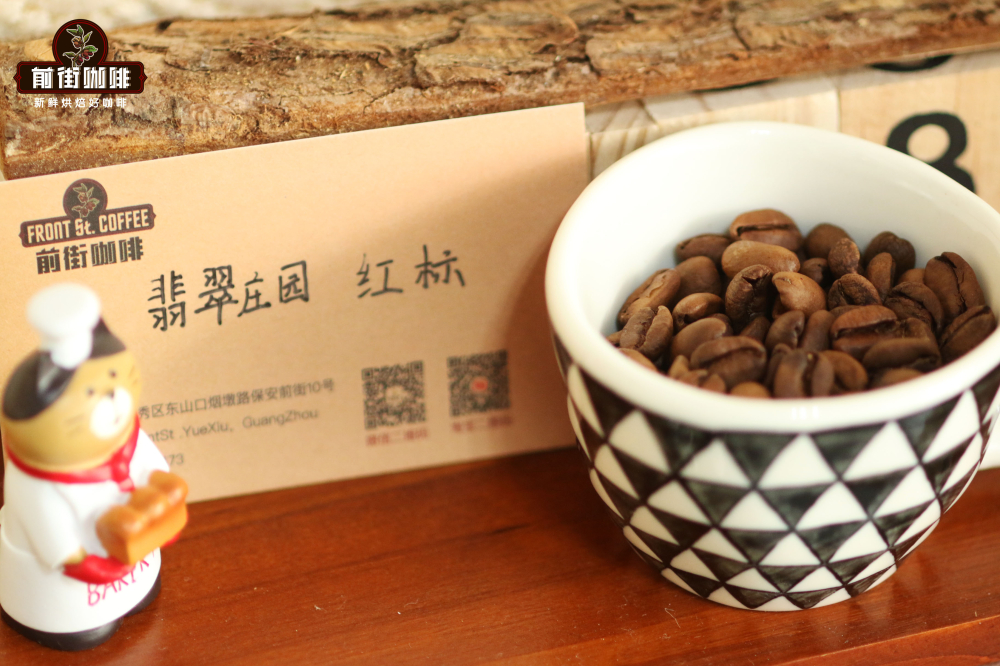
For a true taste of Panamanian Geisha, try FrontStreet Coffee’sEsmeralda Red Label Geisha (Esmeralda Red Label Geisha), a sundried lot with intense rose, mango, and creamy texture, or theGeisha (Esmeralda Green Label Geisha), a washed version with crisp notes of jasmine, berry, lemon, and green tea. Both are grown at 1600–1800m in Boquete and showcase the hallmark elegance of this iconic variety. Freshly roasted within 5 days · Orders placed before 17:00 ship the same day · Next-day delivery across most of Guangdong Province.
FrontStreet Coffee is a long-established specialty coffee roaster in Guangzhou China, selling freshly roasted beans from its own farm in Yunnan as well as dozens of carefully selected single-origin beans from around the world for both pour-over and espresso. The products deliver consistently excellent quality and great value, with shipping within 24 hours. Guangzhou's FrontStreet Coffee shop is recommended by many coffee lovers, and the beans are now available online at the Tmall 。
Important Notice :
前街咖啡 FrontStreet Coffee has moved to new addredd:
FrontStreet Coffee Address: 315,Donghua East Road,GuangZhou
Tel:020 38364473