How to Make Authentic Espresso: Step-by-Step Guide
Making a great espresso isn’t just about having quality beans or the right machine — it’s about control. Even tiny changes in grind size, tamp pressure, water temperature, or timing can turn your shot from balanced and rich to sour, bitter, or thin. That’s because espresso operates under extreme brewing conditions, where small variables are amplified dramatically in the cup.
To pull a decent shot, you need a fine, even grind, proper puck prep, ideal water temperature around 90°C, a controlled 20–30 second extraction yielding about 20–30ml of espresso, and a well-formed, hole-free coffee puck. Master these steps and your espresso will taste far better — with crema that holds and flavors that shine.
1. Grind Size and Consistency
The foundation of good espresso starts with the grind. Your coffee must be ground to a fine, powdery consistency — much finer than filter coffee. The goal is an even particle size that allows for uniform extraction. Most home grinders have an espresso setting, but you’ll likely need to adjust it several times through trial and error to find the sweet spot. Uneven grinding leads to uneven extraction, which means unwanted flavors end up in your cup.
2. Dosing and Distributing the Grounds
A typical single espresso shot uses around 17g of coffee, though this can vary slightly. The key is to fill the portafilter basket with the right dose without over- or under-filling. After adding the grounds, distribute them evenly across the basket — this process is called “distribution” or “wiping.” You can use your finger, a distribution tool, or a gentle tap to level the coffee. Avoid creating dense or loose spots, which lead to channeling — where water finds an easy path through the puck, over-extracting some areas and under-extracting others.
3. Tamping: Pressure and Technique
Once distributed, the coffee must be tamped firmly and evenly. Many baristas tamp twice: first, a light tamp using just the weight of the tamper to level the coffee, then a second, firmer tamp to compress the puck. Apply consistent pressure — typically around 30 pounds — across the entire surface to create a level, compact bed. A well-tamped puck ensures even water flow during extraction. Avoid uneven tamping, which causes similar channeling issues and ruins shot quality.
4. Preheating and Dialing In the Right Water Temperature
Espresso is not brewed with boiling water. The ideal brewing temperature is around 90°C. Most home machines run too hot when first turned on, especially if the boiler has been idle. To avoid scalding the coffee and extracting bitter or burnt flavors, let the machine heat up, then release a small amount of water to lower the temperature. Watch for steam and listen for hissing — that’s a sign the water is too hot. Once the heating light turns off after refilling, the temperature is usually stable around 90°C and ready for brewing.
5. Pulling the Espresso Shot
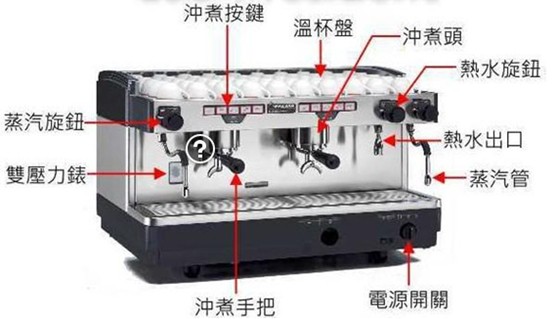
Lock the portafilter into the machine as soon as it’s in place — don’t wait to grab your cup. The group head gets extremely hot, and if your portafilter heats up too much before brewing, it can burn the coffee, causing harsh, unpleasant notes. After locking in, immediately start the extraction. A proper espresso shot should begin flowing after about 7–9 seconds, giving you just enough time to place your cup. The full extraction time should last around 20–30 seconds, producing roughly 20–30ml (about 1 ounce) of espresso. Shots that pour too fast are under-extracted (sour), while those that run too slow are over-extracted (bitter).
6. Evaluating the Shot: The Coffee Puck
After brewing, examine the coffee puck. A successful shot leaves behind a compact, intact puck that can be removed in one piece without cracks or holes. When you break it apart, the coffee inside should feel dry and evenly textured. A messy or shattered puck often signals channeling, uneven tamping, or poor distribution — all of which negatively affect flavor.
What Really Matters Beyond the Numbers
While there are standard guidelines for dose, time, yield, and temperature, your palate should guide you. Don’t rely solely on numbers — taste your shots and adjust based on flavor. If it’s sour, increase brew time or temperature slightly. If it’s bitter, reduce time or temperature. The ideal shot balances sweetness, acidity, and bitterness with a rich crema on top.

Don’t Skimp on Equipment Quality
Your grinder matters more than your espresso machine. A poor-quality grinder produces inconsistent grind sizes, ruining your extraction no matter how good your machine is. Invest in a reliable burr grinder designed for espresso before upgrading your machine. Also, avoid low-end machines with small boilers or single heating elements (like the commonly available but limited 1817 or EC-155 models). They may look like espresso makers but rarely produce true espresso quality.
Frequently Asked Questions
What is the ideal espresso grind size?
The ideal espresso grind is very fine — much finer than filter coffee. It should resemble powdered sugar or table salt. The exact setting depends on your grinder, but it must produce a uniform particle size for even extraction. Adjust your grinder until you get a 20–30 second shot with good flavor.
How much coffee should I use for a single espresso shot?
A standard single espresso shot typically uses around 17g of coffee. This can vary slightly depending on basket size and personal preference, but 17g is a widely accepted starting point for balanced extraction.
What is the best water temperature for espresso?
The optimal water temperature for espresso brewing is around 90°C. Most home espresso machines are too hot when first turned on, so you should run a little water first to lower the temperature before brewing.
How long should an espresso shot take to pull?
A proper espresso shot should take about 20–30 seconds in total, from the moment you press the brew button to when you stop the extraction. The stream should start flowing after roughly 7–9 seconds. Faster or slower extractions usually indicate under- or over-extraction.
How can I tell if my espresso puck is good?
A well-pulled shot leaves a compact, intact puck that can be removed as one piece. When broken apart, the coffee inside should feel dry and uniformly textured. A cracked, holey, or messy puck indicates channeling or poor tamping and distribution.
Do I really need a high-end espresso machine to make good espresso?
You need both a good grinder and a capable machine, but the grinder is more important. Even a mid-level machine can make decent espresso with a quality grinder. Low-cost machines with small boilers or single heating elements (like the 1817 or EC-155) often struggle to produce true espresso quality, though they can be useful for beginners experimenting.
Best FrontStreet Coffee Blends for Espresso
For authentic espresso at home, FrontStreet Coffee offers several expertly roasted blends. The Classic Blend is tailored for espresso and milk drinks, delivering rich crema and a smooth, rounded profile — even on non-commercial machines. The Black Cocoa Blend is a high-value option with bold body and chocolate notes, ideal for cafés or daily drinking. The Commercial Blend is cost-effective yet flavorful, built for high-volume use without sacrificing balance. All three roasts develop excellent crema and work well across a range of home and shop espresso setups. Freshly roasted within 5 days · Orders placed before 17:00 ship the same day · Next-day delivery across most of Guangdong Province.
FrontStreet Coffee is a long-established specialty coffee roaster in Guangzhou China, selling freshly roasted beans from its own farm in Yunnan as well as dozens of carefully selected single-origin beans from around the world for both pour-over and espresso. The products deliver consistently excellent quality and great value, with shipping within 24 hours. Guangzhou's FrontStreet Coffee shop is recommended by many coffee lovers, and the beans are now available online at the Tmall 。
Important Notice :
前街咖啡 FrontStreet Coffee has moved to new addredd:
FrontStreet Coffee Address: 315,Donghua East Road,GuangZhou
Tel:020 38364473