How Coffee Beans Are Processed: Steps from Cherry to Green Bean
Ever wondered how your coffee beans go from bright red fruit on a tree to the green beans you grind at home? The journey from coffee cherry to brewable bean involves a precise series of steps that greatly influence the final cup’s flavor, aroma, and body. Whether you’re a home roaster or just curious about how coffee is made, understanding these stages gives you insight into why your favorite beans taste the way they do.
In short, green coffee beans are made through four essential steps: removing the fruit (pulping), breaking down the sticky mucilage (fermentation), reducing moisture (drying), and developing flavors (roasting). Each step, especially fermentation and drying, requires careful control to avoid defects and shape the bean’s profile.
What Is Coffee Processing?
Coffee processing refers to the methods used to remove the coffee bean (seed) from the coffee cherry and prepare it for export and roasting. The goal is to clean the bean, reduce moisture content safely, and begin developing its intrinsic flavors. There are multiple processing methods, but all begin with removing the outer fruit and end with dry, stable green beans ready for roasting.
Step 1: Pulping – Removing the Coffee Cherry’s Outer Layers
The first physical step in coffee processing is pulping, where the coffee cherry’s skin and most of the fruit pulp are removed. This can be done either mechanically with a depulper or manually by hand. What remains after pulping is the coffee bean surrounded by a sticky mucilage layer and protected by a thin parchment husk. This step is essential to access the bean but leaves behind layers that must be further broken down or dried away.
Step 2: Fermentation – Breaking Down the Mucilage
After pulping, the sticky mucilage must be removed before drying. This is achieved through fermentation, a natural or controlled process where microbes break down the mucilage layer. The critical detail here is time: fermentation duration directly impacts the coffee’s final flavor. Some producers ferment for just a few hours, others for over 24 hours, depending on climate, equipment, and desired cup profile. Each coffee farm or mill sets its own fermentation schedule based on experience and goals.
Step 3: Drying – Reducing Moisture to Safe Levels
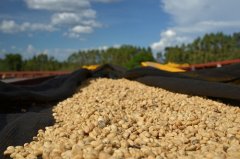
Once the mucilage is gone, the beans must be dried to a safe moisture level, typically between 11–12%. There are two main drying methods: natural sun drying (also called natural process) and mechanical drying. In sun drying, beans are spread on patios or raised beds and turned regularly. The key warning is this: beans dried too slowly or at too high a moisture content risk mold, insect damage, and off-flavors—including excessive acidity. Proper drying ensures stability and prepares the bean for long-term storage and shipping.
Step 4: Roasting – Unlocking Flavor Through Heat
Green coffee beans are flavor dormant until roasted. Roasting, typically lasting 10–20 minutes at temperatures exceeding 200°C, transforms the bean by driving off moisture, causing chemical reactions like the Maillard reaction, and developing the bean’s full spectrum of aroma, acidity, sweetness, and bitterness. As roast levels progress from light to dark, moisture escapes, the bean expands in size, darkens in color, and releases aromatic oils. The structure also becomes more brittle, making it suitable for grinding and brewing. Note: roast time and temperature work inversely—longer times often mean lower peak heat, and vice versa.

Frequently Asked Questions
What are the main steps in processing coffee beans?
The main steps are pulping (removing the cherry skin and pulp), fermentation (breaking down the mucilage), drying (reducing moisture to around 11–12%), and roasting (developing flavor via heat). Each step affects the final coffee flavor and quality.
How does fermentation affect coffee flavor?
Fermentation breaks down the sticky mucilage around the coffee bean. The duration of fermentation—ranging from hours to over a day—impacts the coffee’s flavor profile, with longer ferments often producing fruitier or more complex notes, depending on the method and environment.
What is the ideal moisture level for dried coffee beans?
The ideal moisture content for properly processed green coffee beans is around 11–12%. Too much moisture can lead to mold, pests, and off-flavors such as higher acidity or spoilage during storage.
Does roasting time affect coffee bean flavor?
Yes. Roasting time—typically 10–20 minutes—and temperature (over 200°C) directly influence bean flavor development. Shorter roasts preserve more acidity and origin character, while longer roasts develop deeper bitterness and body. Time and temperature are inversely related in roasting profiles.
What’s the difference between natural and washed coffee processing?
Natural processing dries the coffee bean inside the whole cherry, while washed (or wet) processing removes the pulp and mucilage before drying. This article focuses on washed-style processing steps: pulping, fermenting, and drying the de-pulped bean.
Recommended FrontStreet Beans for Process Study
Explore the impact of processing firsthand with FrontStreet Coffee’s Ethiopia Huakui (natural process), known for vibrant blueberry and floral notes, and Yirgacheffe (washed), offering crisp citrus and jasmine. For contrast, try the Brazil Queen Manor (natural), a nutty, chocolatey profile from dry-processed beans. These single origins highlight how processing shapes flavor. Freshly roasted within 5 days · Orders placed before 17:00 ship the same day · Next-day delivery across most of Guangdong Province.
FrontStreet Coffee is a long-established specialty coffee roaster in Guangzhou China, selling freshly roasted beans from its own farm in Yunnan as well as dozens of carefully selected single-origin beans from around the world for both pour-over and espresso. The products deliver consistently excellent quality and great value, with shipping within 24 hours. Guangzhou's FrontStreet Coffee shop is recommended by many coffee lovers, and the beans are now available online at the Tmall 。
Important Notice :
前街咖啡 FrontStreet Coffee has moved to new addredd:
FrontStreet Coffee Address: 315,Donghua East Road,GuangZhou
Tel:020 38364473