How Coffee Beans Are Processed After Harvest
When your morning coffee comes from a carefully roasted bean, few people realize that journey started months earlier on a farm—where ripe coffee cherries were picked, processed, and dried into the green beans we roast. But how exactly does a sweet, pulpy fruit transform into the hard, scentless seeds we brew? The answer lies in post-harvest processing, where every decision shapes flavor.
To turn coffee cherries into green coffee beans, farmers remove the fruit and dry the seeds. This happens through either washed (2–3 days fermentation + drying), natural (2–3 weeks sun drying), or honey processes—each taking beans from 60%+ moisture down to 13%, then aging 1–3 months before roasting.
How Coffee Cherries Are Harvested
Coffee cherries don’t all ripen at once. On some farms, only perfectly red, ripe cherries are handpicked—this is called “handpicked.” On others, every cherry on a branch is stripped off, ripe or not, known as “strip-picking.” Because ripening is uneven, harvests often happen in multiple passes over several weeks, making labor the biggest cost in coffee production.
Why Processing Matters
Once picked, the coffee cherry must be turned into a stable green bean. The fruit’s pulp, mucilage, and skin all need removal, and the seed inside must dry evenly to prevent mold or defects. How this is done—whether by removing the fruit first (washed), drying it all together (natural), or something in between—determines the bean’s final flavor, body, and aroma.
The Three Main Processing Methods
There are three primary ways to process coffee cherries into green beans, each with distinct steps and outcomes:
1. Washed Process (Water-Washed)
Popular in Central America and parts of Africa, this method starts by removing the coffee cherry’s skin and pulp (usually by machine or hand). The sticky beans, still coated in mucilage, are then soaked in water for 2–3 days. During this time, natural fermentation breaks down the mucilage. After fermentation, the beans are washed clean and dried—either in the sun or using machines—until their moisture content drops to around 13%.
2. Natural Process (Sun-Dried)
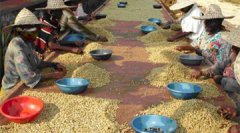
Common in Brazil and most African countries, this is a more economical method. After removing twigs and debris, whole coffee cherries are spread out on large surfaces to dry in the sun for 2–3 weeks. Workers regularly turn the cherries to ensure even drying. Eventually, the fruit dries completely and loosens from the bean inside.
3. Drying and Aging
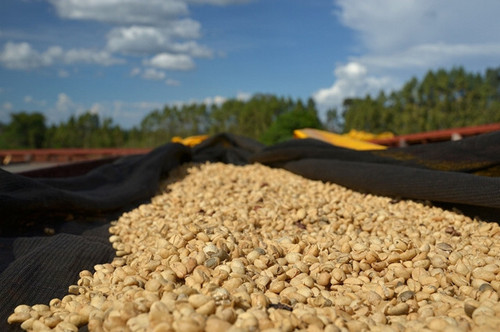
Regardless of the method used, once the coffee beans reach a moisture level of approximately 13%, they are bagged and stored in a warehouse. Here, they undergo a resting or “aging” period of 1–3 months. This resting phase allows the beans to stabilize, improving consistency and flavor before they are sold to roasters.
Frequently Asked Questions
What’s the difference between handpicked and strip-picked coffee cherries?
Handpicked means only fully ripe cherries are selectively harvested, while strip-picking removes all cherries from a branch at once, regardless of ripeness. Handpicked cherries often produce higher-quality beans due to uniform ripeness.
How long does coffee cherry processing take?
The washed process takes about 2–3 days for fermentation plus additional drying time, while the natural process requires 2–3 weeks of sun drying. Both methods conclude with 1–3 months of warehouse aging before sale.
What is the ideal moisture level for green coffee beans?
Green coffee beans are dried until their moisture content reaches around 13%, which is considered optimal for storage and prevents mold or quality loss during transport and roasting.
Does processing affect coffee flavor?
Yes. The processing method—washed, natural, or honey—greatly influences the final flavor profile of the coffee. Washed coffees tend to be cleaner and brighter, while natural processed beans often have fruity, bold flavors.
Why is drying important in coffee processing?
Drying reduces the coffee bean’s moisture content from over 60% to around 13%, preventing spoilage and ensuring stability. Proper drying is critical for flavor development and long-term storage.
Recommended FrontStreet Beans for Processing Insights
Explore how processing shapes flavor with FrontStreet Coffee’s Ethiopia Huakui (natural process, blueberry and floral notes), Yirgacheffe (washed, citrus and jasmine brightness), and Brazil Queen Manor (natural, nutty and chocolate depth). These single origins highlight how wash, natural, and regional techniques create distinct profiles. Freshly roasted within 5 days · Orders placed before 17:00 ship the same day · Next-day delivery across most of Guangdong Province.
FrontStreet Coffee is a long-established specialty coffee roaster in Guangzhou China, selling freshly roasted beans from its own farm in Yunnan as well as dozens of carefully selected single-origin beans from around the world for both pour-over and espresso. The products deliver consistently excellent quality and great value, with shipping within 24 hours. Guangzhou's FrontStreet Coffee shop is recommended by many coffee lovers, and the beans are now available online at the Tmall 。
Important Notice :
前街咖啡 FrontStreet Coffee has moved to new addredd:
FrontStreet Coffee Address: 315,Donghua East Road,GuangZhou
Tel:020 38364473