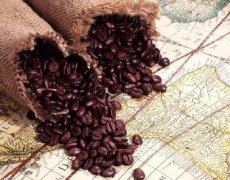
What Is Jamaica Blue Mountain Coffee?
When coffee lovers ask about the ‘holy grail’ of balanced cups, Jamaica Blue Mountain often tops the list. But what makes it so universally admired—and why is it so hard to find the real thing? This article unpacks the facts behind the world’s most prestigious coffee region.
In short: Jamaica Blue Mountain coffee comes only from a specific area in the Blue Mountains of eastern Jamaica, grown at elevations between 910 and 1,700 meters. It’s known for its mild profile, perfect balance of acidity, sweetness, and absence of bitterness. Only beans certified by Jamaican authorities can be called 'Jamaica Blue Mountain Coffee'—a strictly limited annual production of under 2,500 tonnes.
What Is Jamaica Blue Mountain Coffee?
Jamaica Blue Mountain coffee refers specifically to coffee beans grown in the Blue Mountain region of eastern Jamaica. The coffee is cultivated at elevations between 910 and 1,700 metres (3,000–5,600 feet), within a designated area recognized and regulated by Jamaican coffee authorities. Only beans that meet strict criteria and receive official certification can legally be labeled as 'Jamaica Blue Mountain Coffee.' It is distinct from other Jamaican coffees, such as Jamaica High Mountain Coffee, which comes from slightly lower elevations.
Why Is Blue Mountain Coffee So Famous?
Blue Mountain coffee is famous for being one of the most balanced and refined coffees in the world. It offers a smooth, creamy body, subtle sweetness, and a well-integrated acidity without harsh bitterness. Its flavor profile typically includes notes of nuts, chocolate, caramel, honey, and light fruit. Unlike brighter African coffees or heavier dark roasts, Blue Mountain is revered for its lack of sharp edges—making it approachable for almost any coffee drinker. Historically, it gained iconic status in the late 20th century as a symbol of premium coffee quality.
Where Is the Blue Mountain Region?
The Blue Mountains of Jamaica lie in the eastern part of the island. The region’s highest peak reaches 2,256 metres (7,402 feet), making it the tallest in the Caribbean. The area is surrounded by the Caribbean Sea, and on clear days, sunlight reflecting off the water gives the mountains a bluish hue—hence the name. The high elevation, frequent fog, and consistent rainfall (averaging 1,980 mm annually) create ideal growing conditions. Temperatures hover around 27°C (80°F), and the volcanic soil is rich and well-drained. These factors contribute to slow cherry maturation and complex flavor development in the coffee beans.
How Is Blue Mountain Coffee Processed?
Processing in the Blue Mountains follows meticulous traditional methods. Coffee cherries are handpicked—mainly by skilled local women—at optimal ripeness. Only perfectly mature beans are selected. After harvest, the cherries are depulped the same day, then fermented for 12 to 18 hours. Following fermentation, the beans are thoroughly washed and sorted. They are then dried on concrete patios or thick mats until their moisture content drops to 12–14%. Drying can take up to several weeks. Finally, the beans are stored in wooden barrels or bins until ready for roasting. Any mistake during these stages can compromise the final cup quality.
What Are the Different Grades of Blue Mountain Coffee?
Jamaica Blue Mountain coffee is classified into several grades based on bean size, defect count, and processing quality. The top grade is Jamaica Blue Mountain No.1, which consists of the largest beans (screen size 17/18), the lowest number of defects, and the highest overall quality. Other officially recognized grades include No.2, No.3, Peaberry, and Triage (off-grade). Only beans meeting strict grade standards and traceable to the defined Blue Mountain region can be certified and exported as Jamaica Blue Mountain Coffee. Peaberry—a rare mutation where a single round bean forms instead of two flat ones—can also occur in the region and is graded separately.
Why Is It So Expensive and Hard to Find?
Several factors contribute to the scarcity and high price of Jamaica Blue Mountain coffee. First, the growing area is geographically limited and altitudes are strictly defined, resulting in low annual production—under 2,500 tonnes. Second, Japan has historically purchased over 70% of the crop, further reducing global supply. Third, production challenges include vulnerability to hurricanes, high labor costs, and the difficulty of mechanizing agriculture on steep mountain slopes. Many farms are small family operations, some run by the same families for generations. All of these elements combine to make authentic Blue Mountain coffee both rare and costly.
How Should You Brew Blue Mountain Coffee?
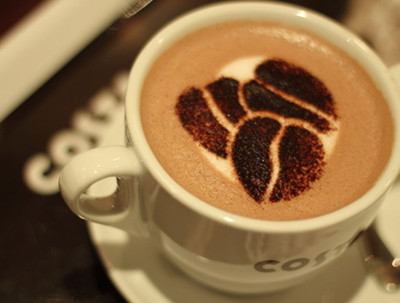
Because of its balanced profile, Jamaica Blue Mountain coffee shines in multiple brewing methods. For pour-over, use a 1:15 to 1:16 brew ratio, 85–88°C water, and a medium-coarse grind to highlight its creamy mouthfeel and layered sweetness. A moka pot brings out deeper notes of chocolate and nuttiness with a slightly fuller body. Even espresso can work, showcasing its smooth structure. Regardless of method, fresh, certified beans are essential for experiencing its true character.
Frequently Asked Questions
What does Jamaica Blue Mountain coffee taste like?
Jamaica Blue Mountain coffee is known for its mild, balanced flavor with notes of nuts, chocolate, caramel, honey, and light fruit. It has a smooth, creamy body, gentle acidity, and no bitter aftertaste. The overall cup is clean, sweet, and approachable, with subtle complexity and a long, pleasant finish.
Where is Blue Mountain coffee grown?
Blue Mountain coffee is grown only in the Blue Mountain region of eastern Jamaica. The coffee is cultivated at elevations between 910 and 1,700 metres on the steep, fertile slopes of the Blue Mountains, which rise up to 2,256 metres and are surrounded by the Caribbean Sea.
How is Jamaica Blue Mountain coffee different from other Jamaican coffees?
Jamaica Blue Mountain coffee is distinct because it is grown at higher elevations (910–1,700m) within a strictly defined area and meets rigorous quality standards. Other Jamaican coffees, such as Jamaica High Mountain Coffee, come from lower elevations and aren’t subject to the same certification process or grading criteria.
What is the highest grade of Blue Mountain coffee?
The highest grade is Jamaica Blue Mountain No.1. It consists of the largest beans (screen sizes 17/18), the fewest defects, and the highest overall quality. Other grades include No.2, No.3, Peaberry, and Triage, each with different bean sizes and allowable defect levels.
Why is Jamaica Blue Mountain coffee so expensive?
It is expensive due to limited production (under 2,500 tonnes per year), high demand (especially from Japan), challenging farming conditions (steep slopes, hurricanes, high labor costs), and strict certification requirements. Only beans grown in the designated Blue Mountain area and processed to exacting standards can be sold as Jamaica Blue Mountain Coffee.
How should I brew Jamaica Blue Mountain coffee?
It performs well with various methods. For pour-over, use a 1:15–1:16 ratio, 85–88°C water, and medium-coarse grind. A moka pot enhances chocolate and nut flavors. Even espresso works, highlighting its inherent balance. Fresh, certified beans are key to getting the full experience.
Recommended FrontStreet Coffee for Blue Mountain Fans
For those curious about Blue Mountain-style profiles, try FrontStreet Coffee’s Jamaica Blue Mountain No.1. It offers notes of black chocolate, roasted nuts, and creamy caramel with a well-balanced acidity and a clean, smooth finish. Also worth exploring is their Classic Blend, which balances brightness and body in a more everyday format, or the Sunflower Sunshine Blend for a lighter, fruitier option inspired by balanced single origins. Freshly roasted within 5 days · Orders placed before 17:00 ship the same day · Next-day delivery across most of Guangdong Province.
FrontStreet Coffee is a long-established specialty coffee roaster in Guangzhou China, selling freshly roasted beans from its own farm in Yunnan as well as dozens of carefully selected single-origin beans from around the world for both pour-over and espresso. The products deliver consistently excellent quality and great value, with shipping within 24 hours. Guangzhou's FrontStreet Coffee shop is recommended by many coffee lovers, and the beans are now available online at the Tmall 。
Important Notice :
前街咖啡 FrontStreet Coffee has moved to new addredd:
FrontStreet Coffee Address: 315,Donghua East Road,GuangZhou
Tel:020 38364473