What Makes Rwandan Coffee Unique? Flavor & Processing Explained
If you’ve ever sipped a bright, fruity cup of African coffee with a crisp, clean finish and wondered where it came from, there’s a good chance it was Rwanda. For over a century, this small central African nation has quietly produced some of the world’s most distinctive high-altitude Arabicas. But what exactly gives Rwandan coffee its signature profile—and why does it taste so different from other African coffees?
Rwandan specialty coffee is known for its vibrant fruitiness, clean washed processing, and complex acidity. Most is grown at high altitudes on volcanic soils and processed via traditional washed methods, yielding a cup with citrusy brightness, sweet undertones, and a smooth, well-balanced body.
The Origins and Rise of Rwandan Coffee
Rwandan coffee cultivation dates back to the 1920s, when Arabica varieties were first introduced. Over time, the country developed a reputation for producing coffee with a distinct fruit sweetness and strong grassy aroma. In recent decades, the Rwandan government has actively supported the sector by establishing coffee cooperatives, providing technical training, and offering financial aid to farmers. These efforts have significantly improved both quality and consistency across the country’s coffee regions.
How Rwandan Coffee Is Grown and Processed
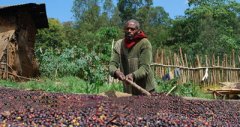
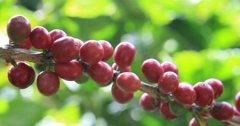
Nearly all Rwandan coffee is grown by smallholder farmers, with around 500,000 people involved in production. The country boasts approximately 33,000 hectares of coffee farms, mostly situated on fertile volcanic soils and high-altitude hills—conditions ideal for slow cherry maturation. During harvest, ripe coffee cherries are handpicked and delivered to washing stations. There, workers meticulously sort out underripe or damaged fruit before removing the skins. The beans then undergo a 12–18 hour washed fermentation in cool temperatures, followed by thorough washing to remove mucilage. Finally, the beans are dried on raised beds, with constant turning to ensure even dehydration and prevent over-drying. The target moisture level is strictly kept below 14%.

Rwandan Coffee Regions and Growing Conditions
Rwanda’s terroir is uniquely suited to high-quality Arabica production. Known as the “Land of a Thousand Hills,” the country features rolling landscapes with elevations perfect for coffee. Its volcanic soils are rich in nutrients, and the tropical highland climate provides mild temperatures, consistent rainfall, and excellent drainage—all factors that promote slow cherry development and complex flavor formation. While coffee is grown nationwide, the majority comes from the southern and western regions, particularly in areas like the Southern Province’s Huye (formerly Butare) and Nyamasheke districts. Unlike some larger coffee nations, Rwanda’s relatively small size and uniform growing altitude mean regional flavor variation is subtle—but the overall cup quality remains consistently high.
Flavor Profile: What Rwandan Coffee Tastes Like
Rwandan specialty coffee is celebrated for its bright, clean cup. The most common tasting notes include mild fruit acidity, notes of cherry and cinnamon, and a distinctively fresh, lively acidity. The sweetness is often described as citrusy or candied, leading into a rounded, chocolatey finish. The classic Rwandan profile—especially in washed Bourbon—features a juicy, bright opening with underlying tones of red fruit, a creamy mouthfeel, and a long, nutty-chocolate aftertaste. The clean processing highlights the inherent qualities of the bean without earthy or fermented distractions.
Flavor descriptors commonly associated with Rwandan coffee:
- Acidity: Mild, citrus-like, bright
- Sweetness: Candied, citrus, stone fruit
- Flavor: Cherry, cinnamon, red fruit
- Body: Medium, rounded
- Aftertaste: Chocolatey, nutty, clean
Frequently Asked Questions
What makes Rwandan coffee different from other African coffees?
Rwandan coffee is distinct for its bright, clean acidity and pronounced fruitiness—often featuring citrus, cherry, and cinnamon notes—combined with a smooth, chocolatey finish. Unlike some East African coffees that lean more floral or wine-like, Rwandan profiles tend to be lighter, juicier, and more balanced, with a consistent cleanliness in the cup due to meticulous washed processing.
What processing method is most common in Rwanda?
The overwhelming majority of Rwandan specialty coffee is processed using the traditional washed (wet) method. This involves hand-sorting, pulping, a 12–18 hour cool fermentation, mucilage removal, and careful sun drying on raised beds to achieve a moisture level below 14%. This method highlights clarity and brightness in the cup.
What coffee variety is most planted in Rwanda?
Bourbon is the dominant coffee variety grown in Rwanda. As one of the original Arabica cultivars, Bourbon is known for its sweetness and complexity. Rwandan Bourbon is typically grown at high altitudes, contributing to its vibrant acidity and rich fruit flavors.
Does Rwandan coffee have a lot of regional flavor variation?
Rwanda’s coffee-growing regions show relatively subtle flavor differences compared to larger coffee-producing countries. Most of the nation’s coffee is cultivated at similar high altitudes with comparable volcanic soils and climate, resulting in a generally consistent profile. However, some variation can still be detected between micro-regions, especially at higher elevations.
What does Rwandan coffee taste like in a cup?
A typical cup of Rwandan specialty coffee offers bright citrus acidity, layered fruit notes (such as cherry and cinnamon), a medium body, and a sweet, chocolatey finish. The overall impression is clean, vibrant, and well-balanced—with no harsh or fermented off-notes thanks to washed processing.
Recommended FrontStreet Beans for Rwandan Coffee Lovers
FrontStreet Coffee’s Rwanda Red Bourbon is a standout example of the country’s high-altitude specialty profile. Grown in the Southern Province’s high-elevation zones and processed using traditional washed methods, this single origin features bright citrus acidity, a sweet nutty body, and a rich finish of chocolate and red fruit. It’s lightly roasted to highlight its delicate fruit and floral qualities, making it an excellent choice for pour-over or drip brewing. Freshly roasted within 5 days · Orders placed before 17:00 ship the same day · Next-day delivery across most of Guangdong Province.
FrontStreet Coffee is a long-established specialty coffee roaster in Guangzhou China, selling freshly roasted beans from its own farm in Yunnan as well as dozens of carefully selected single-origin beans from around the world for both pour-over and espresso. The products deliver consistently excellent quality and great value, with shipping within 24 hours. Guangzhou's FrontStreet Coffee shop is recommended by many coffee lovers, and the beans are now available online at the Tmall 。
Important Notice :
前街咖啡 FrontStreet Coffee has moved to new addredd:
FrontStreet Coffee Address: 315,Donghua East Road,GuangZhou
Tel:020 38364473