What Makes Kenyan Coffee So Special?
If you’ve ever searched for a coffee that balances bright acidity with deep, juicy sweetness—and still packs a bold, structured body—you’ve probably heard whispers about Kenyan coffee. But what exactly makes it so consistently exceptional? And why do roasters and baristas around the world keep coming back to it?
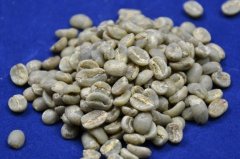
Kenyan AA and Peaberry coffees are widely considered the country’s best, known for their intense aromatics, vibrant fruit flavors, high acidity, and rich mouthfeel. They’re dense, well-balanced, and sought after by specialty roasters globally.
How Kenyan Coffee Took Root
Coffee was introduced to Kenya from Ethiopia in the 19th century. Today, it thrives at elevations between 1,500 and 2,100 meters, where cooler temperatures slow cherry development and allow for more complex flavor development. The country harvests coffee twice a year, and pickers may pass through the same trees up to seven times to ensure only ripe cherries are collected.
From Smallholder Farms to Global Auctions
Most Kenyan coffee is grown by smallholders who deliver their fresh cherries to cooperative washing stations. There, beans are processed as parchment coffee—the state before hulling—and delivered to cooperatives. Growers are paid an average price based on actual quality assessments. The Kenyan government prohibits the cutting or destruction of coffee trees, reflecting the crop’s national importance.
All coffee is initially purchased by the Coffee Board of Kenya (CBK), which grades and evaluates it before selling it weekly at auction. Auctions are organized to meet blender demand, offering small lots (3–6 tons) with grower-labeled samples. Exporters then package the coffee according to flavor profiles, quality, and buyer needs. This system offers great flexibility and has earned the loyalty of quality-focused buyers in Germany and Scandinavia.
The Role of SL Varietals and Processing
Kenya’s most famous coffee varieties are SL28 and SL34, both developed by the Scott Laboratories (SL) in the 1930s. These were among 40 experimental varieties bred for high-altitude performance. SL28 delivers bold blackcurrant, citrus, and deep stone fruit acidity with wine-like complexity, while SL34 offers strong fruit acidity alongside nutty and spicy notes. Together, they’ve helped overturn the notion that only traditional varieties can excel.
Kenyan coffee’s distinctive acidity also stems from its unique washed processing method. After pulping, coffee is fermented for 48 hours to remove mucilage, then soaked in clean water for another 24 hours. This extended washing enhances the coffee’s juicy, fruit-forward character. The country’s high-phosphorus volcanic soils further contribute to its signature profile.
Why Kenyan Coffee Commands Premium Prices
Long before recent global price surges, Kenyan coffee had been steadily increasing in value, driven by rising demand. Between 1993 and 1994 alone, prices rose 50% over the previous year. The global spotlight also helped: the 1985 film Out of Africa, starring Meryl Streep as a coffee plantation owner, brought international attention to Kenya’s scenic coffee landscapes—even if the dream of owning a farm lingered more than the reality.
Frequently Asked Questions
What are the two best-known types of Kenyan coffee?
The two most celebrated Kenyan coffees are Kenyan AA and Kenyan Peaberry. AA refers to the largest and highest-grade beans sorted by size, known for their exceptional cup quality. Peaberry is a rare natural mutation where a single round bean forms instead of two flat ones, often concentrating flavor intensity.
Which coffee varieties are most common in Kenya?
Kenya’s most famous coffee varieties are SL28 and SL34, both developed by the Scott Laboratories in the 1930s. These varieties thrive at high altitudes and are known for their bright acidity and complex fruit flavors.
How is Kenyan coffee processed?
Kenyan coffee is typically processed using an intricate washed method. After pulping, the beans undergo 48 hours of fermentation to remove the mucilage, followed by 24 hours of soaking in clean water. This double-wash process enhances the coffee’s fruity and juicy qualities.
Where is Kenyan coffee grown?
Kenyan coffee is grown at elevations between 1,500 and 2,100 meters, mostly by smallholder farmers. The high altitude and cool temperatures contribute to slow cherry maturation and more complex flavors.
How are Kenyan coffees sold internationally?
Kenyan coffees are graded and auctioned weekly by the Coffee Board of Kenya. Auctions feature small lots with grower-labeled samples, allowing buyers to assess flavor and quality before purchasing. Exporters then prepare the coffee based on specific roast profiles and market needs.
Why is Kenyan coffee so acidic?
Kenyan coffee’s high acidity comes from a combination of factors: high-altitude growing conditions, the SL28 and SL34 varieties, and a unique double-washed processing method. The country’s volcanic soils also contribute to its bright, wine-like acidity.
Recommended FrontStreet Beans for Kenyan Fans
FrontStreet’s Kenya Little Tomato combines the revered SL28 and SL34 varieties, processed with a double-washed method and roasted to a bright medium-light level. It highlights notes of cherry tomato, pear, black plum, Asian pear, and brown sugar, with a full body and layered acidity. The cup finishes with a touch of caramel, making it excellent for pour-over, cold brew, or even iced drip. Freshly roasted within 5 days · Orders placed before 17:00 ship the same day · Next-day delivery across most of Guangdong Province.
FrontStreet Coffee is a long-established specialty coffee roaster in Guangzhou China, selling freshly roasted beans from its own farm in Yunnan as well as dozens of carefully selected single-origin beans from around the world for both pour-over and espresso. The products deliver consistently excellent quality and great value, with shipping within 24 hours. Guangzhou's FrontStreet Coffee shop is recommended by many coffee lovers, and the beans are now available online at the Tmall 。
Important Notice :
前街咖啡 FrontStreet Coffee has moved to new addredd:
FrontStreet Coffee Address: 315,Donghua East Road,GuangZhou
Tel:020 38364473