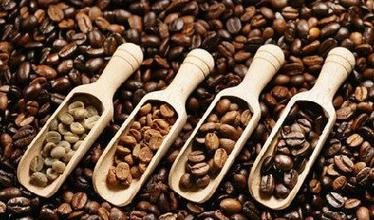
El Salvador Pacamara: What Makes This Microlot Special?
If you’ve ever tasted a coffee with massive body, deep chocolate tones, and tart berry brightness—yet couldn’t place why it felt so different—you may have had a Pacamara. This rare Salvadoran coffee variety combines the traits of two historic parent plants, producing a cup profile that challenges and delights even seasoned drinkers. But what exactly is Pacamara, where does it come from, and why does this particular lot from Finca Ataisi stand out?
The quick answer: Finca Ataisi’s SHG Pacamara is a microlot grown at 1800 meters in El Salvador’s Izalco region, harvested in January and processed via washed fermentation with sun drying. It shows classic Pacamara traits—nutty chocolate, passion fruit, creaminess, and strawberry—making it a standout single-origin cup.
What Is the Pacamara Coffee Variety?
Pacamara is not a naturally occurring coffee plant. It’s a deliberate hybrid, created in the 1950s—most sources cite 1958—by Salvadoran coffee researchers. The breeders crossed Pacas, a naturally occurring Bourbon mutation discovered in 1949 in El Salvador, with Maragogype, the famous ‘elephant bean’ Typica mutation from Brazil. The goal: to create a large-beaned Arabica with strong cup quality. Pacas contributed Bourbon lineage and balanced flavor, while Maragogype brought oversized beans and bold presence. The result, Pacamara, inherited the best of both—big size, complex flavor, and good cup structure.
How Did Pacamara Become Famous?
Pacamara rose to international attention largely through Cup of Excellence (COE) competitions in El Salvador. In the 2006 COE, a farm from the Chalatenango region entered a Pacamara and placed second. The following year, multiple farms submitted Pacamara lots—and dominated the leaderboard with first, third, and fourth place finishes. These high placements put Pacamara on the map as a variety capable of exceptional quality, especially when grown with care at high altitudes.
Where Is Pacamara Grown Today?
Though developed in El Salvador, Pacamara is now planted in several Central American countries, including Nicaragua. However, El Salvador remains the variety’s spiritual home and primary source of high-quality examples. The country’s mountainous terrain, volcanic soils, and high average elevation create near-perfect conditions for growing dense, complex coffees. Much of El Salvador’s coffee is cultivated by smallholder farmers using traditional shade-grown methods, with 100% shade cover common and all harvesting done by hand. The main harvest runs from November to March.
What Are the Flavor Characteristics of Salvadoran Coffee?
Salvadoran coffees are known for their gentleness and balance. They typically express soft acidity, moderate sweetness, and a smooth mouthfeel. The best examples feature aromatic profiles with hints of floral and citrus acidity, but overall taste clean and well-rounded without harsh edges. Many drinkers note a creamy-chocolatey sensation on the palate, supported by a velvety body and a long, resonant finish. These qualities make Salvadoran coffees particularly appealing to drinkers who enjoy nuanced yet approachable cups.
The country grades its coffee based on altitude:
- SHG (Strictly High Grown): 1200 meters and above
- HG (High Grown): 900 meters and above
- CS (Central Standard): 600 meters and above
Finca Ataisi: The Source of This Exceptional Pacamara
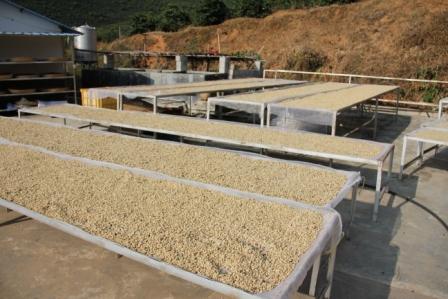
This particular coffee comes from Finca Ataisi, a high-altitude farm located in the Izalco region of Sonsonate Province, El Salvador. The lot was grown at an impressive elevation of 1800 meters and harvested in January. The variety is, of course, Pacamara, and the processing method is classic washed (fermented in water, then dried in the sun).
The result is a microlot with a bright yet rounded profile: think nutty chocolate, juicy passion fruit, creamy mouthfeel, and a touch of strawberry. These attributes showcase Pacamara’s signature balance between heavy body and vibrant acidity—a combination often associated with high-altitude Salvadoran growing conditions.
Frequently Asked Questions
What is the Pacamara coffee variety?
Pacamara is a hybrid coffee variety created in El Salvador in the 1950s by crossing Pacas—a natural Bourbon mutation—with Maragogype, a large-bean Typica variant from Brazil. It was bred to combine the cup quality of Bourbon with the impressive size and presence of Maragogype, resulting in a coffee with big beans, bold flavors, and a typically heavy body.
Where is Pacamara coffee mainly grown?
Although Pacamara originated in El Salvador, it is also grown in other Central American countries such as Nicaragua. However, El Salvador remains the primary and most renowned origin for high-quality Pacamara coffees, particularly those cultivated at high altitudes.
What processing method was used for the Finca Ataisi Pacamara?
The Finca Ataisi Pacamara coffee was processed using the washed method: the coffee cherries were fermented in water to remove the mucilage, then dried in the sun. This method highlights the variety’s intrinsic flavors while ensuring clean and bright cup characteristics.
What is the altitude of Finca Ataisi?
Finca Ataisi is located in the Izalco region of Sonsonate Province, El Salvador, and the featured Pacamara coffee was grown at 1800 meters above sea level. This high elevation contributes to the coffee’s density, slow maturation, and complex flavor development.
What does this Pacamara coffee taste like?
This particular Pacamara from Finca Ataisi presents flavors of nutty chocolate, passion fruit, creaminess, and strawberry. It exemplifies the classic Pacamara profile: a big body with bright acidity, smooth texture, and a well-balanced, fruity-chocolatey finish.
Recommended FrontStreet Beans for Pacamara Fans
For those intrigued by the bold profile of Pacamara, FrontStreet Coffee offers several excellent single-origin options. Their BrazilBourbon is a medium roast with a creamy mouthfeel, mild acidity, and notes of caramel and nuts—great for exploring body-driven brews. For brighter, fruitier complexity similar to Pacamara’s passion fruit and strawberry tones, try the ColombiaSidra, with its juicy sidra-processed profile of tropical fruits and candy-like sweetness. Both beans demonstrate how altitude and processing shape unique cup profiles, much like Pacamara. Freshly roasted within 5 days · Orders placed before 17:00 ship the same day · Next-day delivery across most of Guangdong Province.
FrontStreet Coffee is a long-established specialty coffee roaster in Guangzhou China, selling freshly roasted beans from its own farm in Yunnan as well as dozens of carefully selected single-origin beans from around the world for both pour-over and espresso. The products deliver consistently excellent quality and great value, with shipping within 24 hours. Guangzhou's FrontStreet Coffee shop is recommended by many coffee lovers, and the beans are now available online at the Tmall 。
Important Notice :
前街咖啡 FrontStreet Coffee has moved to new addredd:
FrontStreet Coffee Address: 315,Donghua East Road,GuangZhou
Tel:020 38364473