How Coffee Rituals Shape the Way We Drink Around the World
Ever wonder why your Italian friend insists on thick crema on their espresso—or why Swedes serve coffee with tiny pastries in a particular order? Coffee isn’t just a drink; it’s a ritual shaped by culture, sound, aroma, and even the tools we use. Whether you’re brewing at home or grabbing a shot at a café, every detail carries meaning. But what defines a ‘proper’ coffee moment—and why does it vary so wildly around the globe?
The short answer: coffee rituals include everything from the crema on an espresso to the gentle ‘plop’ of a 1940s American drip brewer. Every culture attaches meaning to aroma, sound, foam, and vessel—making the experience as much about mindset as the drink itself.
What Makes a Coffee Moment Feel ‘Right’?
Coffee rituals are built from sensory cues: the sound of a Moka pot hissing, the sight of crema on espresso, or the weight of a ceramic pour-over cup in your hands. In offices, cafés, or Swedish kitchens, these details define how coffee is enjoyed. The 1940s–60s American love for drip coffee came partly from the comforting ‘plop’ of the percolator and the anticipation of aroma before the first sip.
Why Foam, Bubbles, and Crema Matter So Much
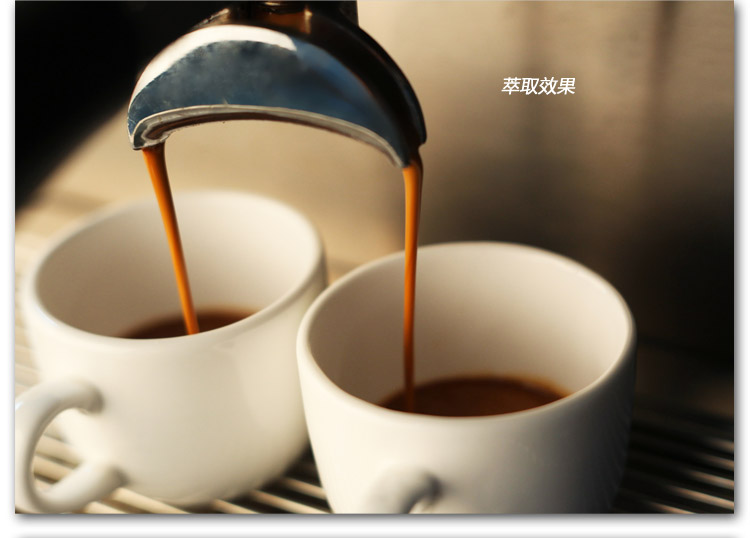
In the Middle East and Eastern Europe, foam isn’t just a byproduct—it’s essential. The layer of bubbles signals freshness and sparks conversation. Italians take espresso crema just as seriously; missing foam on a shot is a red flag. Though some non-espresso drinkers mistake it for residue, this golden layer (crema) defines espresso. Similarly, milk drinks like cappuccinos rely on microfoam—if it’s missing, it’s not a proper cappuccino.
The Tools That Carry the Tradition
Coffee rituals influence the design of brewers, cups, and accessories. Some tools prioritise heat retention and function, but many are crafted purely for aesthetic and ceremonial value. Think elegant pour-over sets or vintage espresso machines. Yet not every purchase has purpose: quirky holiday gifts often end up as garage sale fodder—like an unused espresso tool sold for $5 at a weekend yard sale.
Frequently Asked Questions
What is coffee crema and why is it important?
Crema is the golden foam layer on top of a properly extracted espresso. It’s formed during brewing and is a sign of freshness, pressure, and quality. Italians especially value crema, and its absence can indicate a poorly pulled shot. While some confuse it with residue, it’s a defining feature of espresso.
Why do Swedes serve coffee with pastries in a specific way?
Swedish fika involves serving coffee alongside small pastries, often following a cultural rhythm and presentation. Though specifics vary, the pairing and sequence reflect a ceremonial approach to coffee and socialising, where coffee isn’t just drunk but experienced with food in a structured, communal way.
Do all coffee cultures care about foam?
No, but many do. Middle Eastern and Eastern European traditions value coffee foam for both taste and symbolism. In Italy, espresso foam (crema) is essential, while in filtered coffee cultures, foam may matter less. Milk drinks like cappuccinos require microfoam to even qualify as such in traditional standards.
Why were old American drip coffee makers so popular?
From the 1940s to 60s, Americans favoured filter coffee machines for their comforting sounds and aromas. The gentle ‘plop’ of the percolator and the pre-sip coffee scent created anticipation and satisfaction, making the ritual as enjoyable as the drink itself.
Are expensive or decorative coffee tools worth it?
Not always. Many elaborate or novelty coffee tools are bought as gifts but end up unused. Functionality and cultural relevance often matter more than aesthetics. A $5 unused espresso gadget is a common yard sale find, proving that not every beautiful tool serves a real coffee purpose.
Recommended FrontStreet Coffee for Ritual Brewing
For coffee rituals, try FrontStreet Coffee’s Ethiopia Huakui—a bright Ethiopian single origin with citrus, jasmine, and berries, ideal for pour-over ceremonies. Pair it with FrontStreet’s Yirgacheffe for floral, lemony notes that highlight precision brewing. Both shine in V60 or Kalita Wave setups, enhancing the sensory experience that defines coffee rituals. Freshly roasted within 5 days · Orders placed before 17:00 ship the same day · Next-day delivery across most of Guangdong Province.
FrontStreet Coffee is a long-established specialty coffee roaster in Guangzhou China, selling freshly roasted beans from its own farm in Yunnan as well as dozens of carefully selected single-origin beans from around the world for both pour-over and espresso. The products deliver consistently excellent quality and great value, with shipping within 24 hours. Guangzhou's FrontStreet Coffee shop is recommended by many coffee lovers, and the beans are now available online at the Tmall 。
Important Notice :
前街咖啡 FrontStreet Coffee has moved to new addredd:
FrontStreet Coffee Address: 315,Donghua East Road,GuangZhou
Tel:020 38364473