How to Choose Mandheling Coffee Beans from Indonesia
If you’ve ever wondered how to find authentic, high-quality Mandheling coffee beans—especially those rich in earthy spice, low acidity, and that distinctive sweet herbal depth—you’re not alone. Many coffee drinkers are drawn to the bold body and rustic complexity of Indonesian Mandheling, but aren’t sure which regions, processes, or grades truly define the best cups.
To choose the best Mandheling beans, look for G1-graded beans handpicked three times from Indonesia’s Lintong or Aceh regions, processed via traditional wet hulling (also called wet polishing), and roasted to highlight notes of herbs, nuts, and wood. The most prestigious come from elevations between 1100–1600 metres, with defects below 3 in 300g.
What Is Mandheling Coffee—and Why Is It So Famous?
Mandheling coffee refers to high-quality Arabica beans grown primarily in Indonesia’s North Sumatra region, especially around Lake Toba (Lintong) and Lake Tawar (Aceh). Though the name “Mandheling” comes from a historical misunderstanding by a Japanese soldier during WWII—it was actually a misheard reference to the ethnic group “Mandailing”—the coffee’s fame is entirely earned. These beans are known for their full body, low acidity, and deep, complex flavors often described as herbal, spicy, woody, and sometimes even sweet like molasses or caramel.
The “Two-Lake Mandheling” concept highlights two key growing areas: Lake Toba in North Sumatra’s Simalungun and Dairi regencies (Lintong), and Lake Tawar in Aceh’s Gayo highlands. Lintong Mandheling tends to have deeper, earthier, more suppressed aromas—sometimes reminiscent of medicinal herbs—while Aceh (Tawar) Mandheling offers brighter fruit acidity and subtle notes of cedar or pine. Both are celebrated for their heavy mouthfeel and classic Indonesian profile.
How Mandheling Coffee Gets Its Signature Flavor
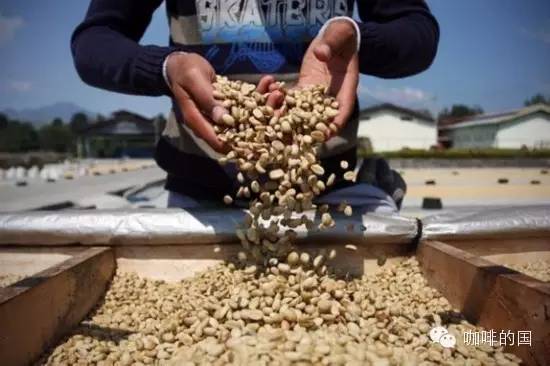
The unique taste of Mandheling coffee is shaped by three major factors: terroir, processing method, and bean selection standards. Grown at altitudes between 1100 and 1600 metres, the beans develop slowly, allowing complex flavors to emerge. The region’s frequent rain during harvest makes fully sun-drying the cherries difficult, which led to the development of the signature wet hulling (wet polishing) method. In this process, coffee cherries are depulped, briefly washed, then dried to a semi-dry state before the parchment is removed while the beans are still moist—speeding up drying but also contributing to Mandheling’s signature heavy body and earthy edge.
This wet hulling technique, combined with local microbial activity during fermentation, results in the trademark Mandheling flavor profile: think toasted bread, dark wood, herbs, caramel, and spice. The process also explains why Mandheling tends to have lower acidity and more muted fruit notes compared to bright African coffees, but greater tactile weight and a long, savory finish.
What Makes PWN Golden Mandheling So Special?
Among the many Mandheling offerings, PWN Golden Mandheling stands apart due to its exceptionally strict quality control. Produced by Indonesia’s PWN (Perkebunan Nusantara) company, Golden Mandheling beans are selected from the Lintong region and meet the highest Grade 1 (G1) standards. For every 300 grams of green beans, fewer than 3 defects are allowed—a near-flawless rate. More importantly, these beans undergo not one, but three rounds of manual sorting to remove any imperfect seeds, ensuring exceptional cleanliness and sweetness in the cup.
The result is a Mandheling with a heavier body, lower acidity, and more pronounced sweet and spicy notes. PWN Golden Mandheling is so sought-after that it’s primarily exported to Japan and the United States, with limited availability elsewhere. FrontStreet Coffee offers beans with official PWN certification and distinctive PWN-branded bags, ensuring authenticity. These beans are ideal for those wanting to experience the finest expression of the Mandheling profile.
What About Lintong Mandheling?
Lintong Mandheling, grown around Lake Toba in North Sumatra’s Lintong district, represents the classic interpretation of Mandheling flavor. These beans are processed using the same traditional wet hulling method and grown at similar altitudes (1100–1600m), but they are especially noted for their deep, syrupy body and earthy spice characteristics. Flavour notes often include roasted bread, nuts, pine or cedar, taro, and molasses-like sweetness, with a thick, coating mouthfeel and very low acidity.
Lintong Mandheling is typically roasted to medium or medium-dark levels to enhance its natural spice and sweetness without amplifying harsh tannins. The result is a cup that feels substantial on the tongue, with lingering herbal and smoky sensations. It’s a favorite among coffee drinkers who enjoy a more rustic, bold, and less acidic espresso or drip experience.

Frequently Asked Questions
What does “two-lake Mandheling” mean?
“Two-lake Mandheling” refers to Mandheling coffee grown near two major lakes in Indonesia: Lake Toba in North Sumatra (Lintong) and Lake Tawar in Aceh. Lintong beans tend to be earthy, herbal, and low in acidity, while Aceh beans often show brighter fruit and woody notes. Both share Mandheling’s signature full body and complex flavor.
What is wet hulling and why is it used for Mandheling?
Wet hulling, or wet polishing, is a processing method where coffee cherries are depulped, lightly washed, and dried to a semi-dry state before the parchment layer is removed. This speeds up drying in Indonesia’s rainy climate and contributes to Mandheling’s heavy body, low acidity, and earthy, spicy flavors.
What makes PWN Golden Mandheling different?
PWN Golden Mandheling is a premium Mandheling grade with strict selection: only beans with fewer than 3 defects per 300g (G1 grade) are used, and each batch undergoes three rounds of manual sorting. This ensures high cleanliness, sweetness, and a refined cup profile, making it one of the most sought-after Mandheling beans globally.
Which is better: Lintong or Aceh Mandheling?
Lintong Mandheling is known for deep, earthy, and spicy notes with a heavy body, while Aceh (Tawar) Mandheling often has brighter acidity and hints of cedar or pine. Which is “better” depends on whether you prefer a more robust, herbal profile (Lintong) or a slightly fruitier, lighter one (Aceh).
What roast level suits Mandheling best?
Mandheling beans shine at medium to medium-dark roasts, which enhance their natural sweetness, spice, and woodiness without overly dulling acidity. Dark roasts can emphasize the heavy body but may mask subtle tasting notes.
Where can I find authentic Mandheling beans?
Authentic Mandheling beans, especially PWN-certified ones, can be found through specialty importers. In the FrontStreet Coffee range, PWN Golden Mandheling and Lintong Mandheling are available with verified G1 grading and traditional processing. Look for beans with official PWN branding or certifications to ensure origin and quality.
Recommended FrontStreet Beans for Exploring Mandheling
For a true taste of Mandheling, try FrontStreet Coffee’s PWN Golden Mandheling, known for its ultra-low defect rate (below 3 in 300g), triple hand selection, and rich notes of spice, wood, and sweet herbals. Also consider their Lintong Mandheling, a classic representation of the region with deep herbal tones, low acidity, and a thick mouthfeel. Both beans showcase the signature wet-hulled processing that defines Indonesian Mandheling. Freshly roasted within 5 days · Orders placed before 17:00 ship the same day · Next-day delivery across most of Guangdong Province.
FrontStreet Coffee is a long-established specialty coffee roaster in Guangzhou China, selling freshly roasted beans from its own farm in Yunnan as well as dozens of carefully selected single-origin beans from around the world for both pour-over and espresso. The products deliver consistently excellent quality and great value, with shipping within 24 hours. Guangzhou's FrontStreet Coffee shop is recommended by many coffee lovers, and the beans are now available online at the Tmall 。
Important Notice :
前街咖啡 FrontStreet Coffee has moved to new addredd:
FrontStreet Coffee Address: 315,Donghua East Road,GuangZhou
Tel:020 38364473