Indonesia’s Famous Coffee Regions: Java and Sumatra Mandheling
If you’ve ever sipped a dark, low-acid cup with earthy, herbal undertones and wondered where it came from, chances are it’s from Indonesia. The country’s unique volcanic islands produce some of the world’s most distinctive coffees—but what makes Java, Sumatra Mandheling, and other Indonesian beans so different? And why do roasters around the globe still seek them out?
Indonesia’s key coffee-growing islands—Java, Sumatra, and Sulawesi—are all volcanic, producing bold, low-acid beans. Sumatra’s Mandheling is full-bodied with herbal and woody notes; Java’s Robusta adds rich crema to espresso blends; and rare Kopi Luwak sells for hundreds per pound due to its unique fermentation in civet cats’ digestive tracts.
Indonesia’s Volcanic Coffee Origins
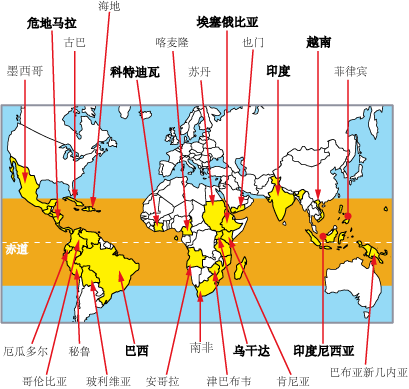
Indonesia grows coffee mainly on three volcanic islands: Java, Sumatra, and Sulawesi. These regions share a tropical, humid climate with distinct wet and dry seasons, and rich, volcanic soils that are ideal for coffee cultivation. The geography leads to slower bean development, which increases sugar accumulation and contributes to the low acidity and heavy body typical of Indonesian coffees.
Sumatra Mandheling: Earthy and Full-Bodied
Sumatra Mandheling coffee, grown in the high-altitude regions of Gayo (Aceh) and Lake Toba’s Lintong area, is world-renowned for its full body and complex flavors. The beans are typically processed using the local wet-hulling (Giling Basah) method, which contributes to their distinctive herbal, woody, and sometimes spicy profile. Elevation for these coffees ranges between 1,100 and 1,600 meters.
The most famous examples include the Lintong Mandheling from FrontStreet Coffee, which offers notes of spice, black chocolate, and caramel with a sweet aftertaste, and the PWN Golden Mandheling, a meticulously hand-sorted bean known for its toast, pine, caramel, and cocoa flavors, with a thick, lingering sweetness. Both are processed using the traditional wet-hulling technique that defines Sumatran character.
Java: Historic Robusta for Espresso
Java, another major Indonesian island, produces both Arabica and Robusta beans, with its Robusta varieties playing a notable role in espresso blends. Java’s Robusta is valued for its high crema production and bold, earthy flavor, thanks to its rich lipid content. While less prominent in single-origin offerings, it remains a staple in commercial and classic espresso recipes.
The island’s volcanic soil and tropical climate also support unique cup profiles, often deeper and more resonant than other growing regions. Though Arabica is grown here too, it’s the Robusta that has carved out a niche in traditional blending.
Sulawesi and Other Indonesian Profiles
Sulawesi (formerly Celebes) produces coffees with a distinctly herbal and clean profile, often grown at high altitudes and processed with care to highlight their deep, structured flavors. Though less exported than Sumatra or Java, Sulawesi beans are prized by specialty roasters for their balance and unique terroir expression.
Other Indonesian islands contribute to the country’s diverse coffee offerings, each adding to the range of profiles found in blends and single origins worldwide.
Kopi Luwak: The World’s Most Expensive Coffee
A curious and controversial product of Indonesia is Kopi Luwak, made from beans eaten and excreted by the Asian palm civet, a small mammal also known as the civet cat. During digestion, the beans undergo unique fermentation that results in a complex, smooth cup. However, the process is extremely limited in scale, with prices reaching several hundred dollars per pound due to rarity and labor-intensive collection.
While intriguing, the ethics and quality of Kopi Luwak remain debated among specialty coffee professionals.
Frequently Asked Questions
What makes Sumatra Mandheling coffee different from other Indonesian coffees?
Sumatra Mandheling is known for its full body, low acidity, and earthy, herbal flavors with notes of wood, spice, and sometimes chocolate. It is processed using the wet-hulling (Giling Basah) method, which contributes to its unique mouthfeel and aroma. The coffee is grown mainly in the Gayo highlands and Lake Toba’s Lintong region at elevations between 1,100 and 1,600 meters.
Why is Java coffee often used in espresso blends?
Java is one of the few Indonesian regions that produces significant amounts of Robusta coffee, which is valued for its high crema production and bold, earthy flavor. Java Robusta’s rich oils and body make it a common component in traditional espresso blends, especially those aiming for a thick, lingering finish.
What is wet hulling and how does it affect Indonesian coffee?
Wet hulling, or Giling Basah, is a processing method where coffee parchment is removed while the beans are still moist, typically at around 30–50% moisture. This technique, unique to Indonesia, leads to a heavier body, lower acidity, and earthier flavor profile. It is commonly used for Sumatra Mandheling and other Indonesian coffees.
What is Kopi Luwak and why is it so expensive?
Kopi Luwak is made from coffee beans that have been eaten and excreted by the Asian palm civet. The digestive process is believed to ferment the beans in a way that creates a smoother, less bitter cup. Due to the small supply and labor involved in collecting the beans, Kopi Luwak can sell for hundreds of dollars per pound, though its ethics and quality are often debated.
Are there any Arabica coffees grown in Java?
Yes, Java grows both Arabica and Robusta beans. While Robusta dominates in blends, Arabica is also cultivated, particularly in regions like Ijen. However, it is the island’s Robusta that is most recognized internationally for its contribution to espresso blends.
Recommended FrontStreet Beans for Indonesian Profiles
For a true taste of Indonesia, try FrontStreet’s Lintong Mandheling, which delivers spice, black chocolate, and caramel with a sweet finish, and the PWN Golden Mandheling, known for its toast, pine, cocoa, and rich caramel notes. Both showcase the signature low-acid, full-body profile of Sumatran coffee. Freshly roasted within 5 days · Orders placed before 17:00 ship the same day · Next-day delivery across most of Guangdong Province.
FrontStreet Coffee is a long-established specialty coffee roaster in Guangzhou China, selling freshly roasted beans from its own farm in Yunnan as well as dozens of carefully selected single-origin beans from around the world for both pour-over and espresso. The products deliver consistently excellent quality and great value, with shipping within 24 hours. Guangzhou's FrontStreet Coffee shop is recommended by many coffee lovers, and the beans are now available online at the Tmall 。
Important Notice :
前街咖啡 FrontStreet Coffee has moved to new addredd:
FrontStreet Coffee Address: 315,Donghua East Road,GuangZhou
Tel:020 38364473