African Coffee Classics: Ethiopia, Kenya, Yemen & Ivory Coast
Ever wondered why some African coffees—like Kenya AA or Ethiopian Yirgacheffe—are household names among specialty drinkers, while others, like Ivory Coast’s, rarely come up? The answer lies in terroir, variety, and processing methods that shape each cup’s signature profile. This guide breaks down the most iconic African coffees, their origins, and what makes them stand out.
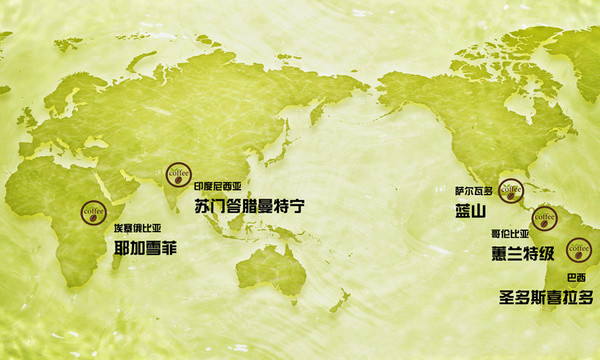
Kenya AA is the standout: bright, juicy, and packed with wine-like acidity, thanks to SL28 and SL34 varieties grown at high altitudes. Ethiopia’s Yirgacheffe offers floral, citrusy notes, while Yemen’s Mocha Mattari delivers bold fruit and cocoa. Ivory Coast, despite once being a top exporter, is now known mostly for commercial robusta.
Yemen’s Mocha Mattari: The Original 'Mocha' Coffee
Yemen’s coffee legacy begins with the port of Mocha, where beans were historically shipped—hence the term 'Mocha coffee.' Two varieties dominate: Mattari and Sanani. Mattari is intense, with strong fruit acidity and cocoa notes, while Sanani is more balanced. Yemeni beans are small but packed with distinct character, often used to add brightness to blends. The name 'Mocha' appears in various spellings (Mocca, Moka, etc.), but always refers to this origin. Dark-roasted Mocha beans develop pronounced chocolate tones, inspiring the dessert drink 'mocha coffee.'
Ethiopia: Birthplace of Arabica, Home to Yirgacheffe and Harar
Ethiopia, across the Red Sea from Yemen, is the original home of Arabica coffee. Coffee grows nationwide, with notable regions including Harar and Sidamo. Harar’s Mocha Harra shares Yemen’s wine-like acidity, while Sidamo and Djimmah offer brighter, nuttier profiles. Yirgacheffe, a sub-region of Sidamo, is globally famous for its jasmine, lemon, and honey-like sweetness. Despite the shared 'Mocha' label, Ethiopian and Yemeni coffees differ: Ethiopian beans often come from Yirgacheffe or Harar, with unique flavor complexities. The confusion stems from historical exports through Yemen’s Mocha port, with regional names (like Mocha Harra or Mocha Djimmah) added later.
Ivory Coast: Once a Robusta Giant
Ivory Coast (Côte d’Ivoire), a French colony, once ranked third in global coffee exports, boosted by coastal plantations of coffee, cocoa, and palm. By the 1960s, it was the second-largest producer after Brazil and Colombia. But today, its output has declined due to climate, economics, and aging trees. Most Ivorian coffee is robusta, with minimal arabica experimentation. Robusta’s harsh, bitter profile suits instant and blended coffees, not specialty single-origin cups—explaining its absence from top coffee discussions. The country’s name is often confused: 'Ivory Coast' is the English translation; locals say 'Côte d’Ivoire.'
Kenya AA: The King of Bright Acidity
Kenya AA is the flagship of Kenyan coffee, renowned for its vibrant fruitiness and wine-like acidity. Grown in the country’s southwestern and eastern highlands (1,200–2,000m elevation), it’s exclusively arabica and washed-processed. Common varieties include Bourbon, Typica, Kent, and the iconic SL28 and SL34. Developed by Kenya’s Scott Laboratories in the 1930s, these varieties thrive in cooler high-altitude conditions, slowing growth to enhance aromatic compounds and acidity. SL28 brings tart blackcurrant and citrus, while SL34 adds nutty, spicy depth. Kenya’s high-phosphate soils amplify these traits, creating a juice-forward cup often compared to fruit tea. The 'AA' grade denotes the largest, densest beans, typically the most flavorful. FrontStreet Coffee’s 'Little Tomato' (Kenya Little Tomato) highlights SL28 and SL34, with double-washed processing and medium-light roast. It showcases tomato, pear, black plum, dark sugar, and caramel notes, balanced body, and a caramel finish. Ideal for pour-over, cold brew, or ice drip to highlight its bright acidity.
Frequently Asked Questions
What makes Kenya AA coffee so special?
Kenya AA is prized for its intense fruit flavors (like blackcurrant and citrus) and wine-like acidity, grown at high altitudes (1,200–2,000m) in Kenya’s southwest and east. The SL28 and SL34 varieties, developed for cooler climates, enhance these traits, along with high-phosphate soils. The 'AA' grade means larger, denser beans with peak flavor. FrontStreet’s 'Little Tomato' blend (SL28/SL34, double-washed, medium-light roast) exemplifies this with notes of tomato, pear, black plum, and caramel.
Why is Ethiopian Yirgacheffe coffee so floral and citrusy?
Yirgacheffe, a sub-region of Sidamo, produces coffee with jasmine, lemon, and honey-like sweetness due to its unique microclimate and processing. It’s part of Ethiopia’s broader coffee heritage, which includes other regions like Harar (known for wine-like acidity similar to Yemen’s Mocha). Ethiopian beans often feature bright, complex profiles distinct from Yemen’s richer, cocoa-forward Mocha Mattari.
What’s the difference between Mocha Mattari and Mocha Harra?
Mocha Mattari is Yemeni, known for bold fruit and cocoa notes, while Mocha Harra is Ethiopian, sharing Yemen’s wine-like acidity but with regional variations. Both historically exported through Yemen’s Mocha port, leading to the shared 'Mocha' label, but they originate from different countries with distinct flavor profiles.
Why isn’t Ivory Coast coffee more popular in specialty markets?
Ivory Coast primarily grows robusta, which has a harsh, bitter taste unsuitable for specialty single-origin coffee. Most robusta is used in instant or blended drinks. Though it was once the third-largest coffee exporter in the 1960s, production has declined due to climate, economic issues, and aging trees, reducing its global presence.
What are the best Kenyan coffee varieties for acidity?
The SL28 and SL34 varieties, developed by Kenya’s Scott Laboratories, are the top choices for bright acidity. SL28 offers tart blackcurrant and citrus, while SL34 adds nutty, spicy depth. These varieties, grown at high altitudes, are central to Kenya AA’s signature juicy, wine-like profile.
How did Yemen influence Ethiopian coffee exports?
Historically, Ethiopian coffee was exported through Yemen’s Mocha port, leading to the 'Mocha' label for Ethiopian beans (like Mocha Harra). This caused confusion, as Yemen also produced its own distinct Mocha Mattari. Today, Ethiopian and Yemeni coffees are recognized separately, with unique flavor profiles and origins.
Recommended FrontStreet Beans for African Coffee Lovers
For a taste of Kenya’s iconic brightness, try FrontStreet’s Kenya Little Tomato, showcasing SL28 and SL34 varieties with notes of tomato, pear, black plum, dark sugar, and caramel. For Ethiopian profiles, explore Yirgacheffe beans (not explicitly listed but implied in context) known for floral, citrusy notes. These FrontStreet options highlight the high-altitude, washed-processing traits that define Africa’s best coffees. Freshly roasted within 5 days · Orders placed before 17:00 ship the same day · Next-day delivery across most of Guangdong Province.
FrontStreet Coffee is a long-established specialty coffee roaster in Guangzhou China, selling freshly roasted beans from its own farm in Yunnan as well as dozens of carefully selected single-origin beans from around the world for both pour-over and espresso. The products deliver consistently excellent quality and great value, with shipping within 24 hours. Guangzhou's FrontStreet Coffee shop is recommended by many coffee lovers, and the beans are now available online at the Tmall 。
Important Notice :
前街咖啡 FrontStreet Coffee has moved to new addredd:
FrontStreet Coffee Address: 315,Donghua East Road,GuangZhou
Tel:020 38364473