What Is Mandheling Coffee and Why Is Golden Mandheling Special?
Ever ordered a ‘Mandheling’ coffee and wondered why you can’t find it on a map? Or tried both a standard Mandheling and a so-called ‘Golden Mandheling,’ but couldn’t taste much difference? You’re not alone. Many coffee drinkers confuse the name, the region, and the grade — and miss what actually makes certain Mandhelings stand out. Here’s the full breakdown.
In short: Mandheling isn’t a place or coffee variety. It’s a misheard name for the Mandheling people of Indonesia. Golden Mandheling is a premium grade with stricter quality control — typically handpicked, higher-cleanliness, and more consistent sweetness and spice. Aged Golden Mandheling goes further, developing deeper, smoother flavours through careful storage.
Where the Name ‘Mandheling’ Comes From
The name ‘Mandheling’ has nothing to do with a coffee region, port, or bean variety. During World War II, a Japanese soldier in Indonesia drank a rich, memorable cup and asked the shopkeeper for the coffee’s name. Mistaking the question for ‘Where are you from?’, the shopkeeper answered: ‘Mandheling.’ That miscommunication stuck. After the war, the soldier had 15 tons shipped to Japan — and the name spread.
Mandheling vs. Golden Mandheling: What’s the Difference?
Coffee drinkers often ask: what’s the real difference between Golden Mandheling and regular Mandheling G1? For most people, not much. But trained palates notice that Golden Mandheling has clearer sweetness, a cleaner cup, and more pronounced spicy and herbal notes. That precision comes from stricter processing: only beans sized 18 mesh or larger, with fewer than 3 defects per 300g sample. Then comes triple hand-sorting to remove all remaining flaws. That extra work justifies the higher price and delivers a more refined cup.
What Is Aged (‘’) Coffee — and How Is It Done in Indonesia?
Aged coffee isn’t new. In Indonesia’s past, slow shipping meant beans naturally dried and changed during the voyage, picking up unique flavours from sea air and time. Today, shipping is fast — so aging is now controlled. It’s not about letting beans go stale. It’s about managing humidity, temperature, and regular turning in storage to develop a new set of pleasing flavours. Indonesian producers have decades of experience perfecting this process.
Flavour Profile of Aged Golden Mandheling
Aged Golden Mandheling develops a complex sensory character. On the dry grounds, expect aromas of glutinous rice, malt, spices, caramel, and wood. Once brewed, you get dark caramel, pine, faint earthiness, and a punchy, lingering mouthfeel. Flavour notes include bold cloves, woody tones, mint-like spice, and a thick, sweet aftertaste that builds and lingers. It’s intense, structured, and far from boring.
Why Mandheling Coffee Comes Mainly from Sumatra
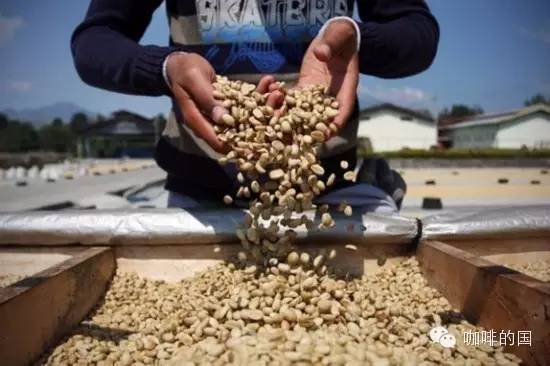
Although coffee originated in Ethiopia, Dutch colonists spread it across their colonies in the 17th century — including Java and later Sumatra. When leaf rust devastated Java’s crop early in the 20th century, production shifted to Sumatra. Today, Sumatra grows over 60% of Indonesia’s arabica and robusta. Most specialty-grade arabica comes from two regions: Aceh (near Lake Tawar) and North Sumatra’s Lintong area around Lake Toba. The famous Mandheling style comes mostly from Lintong, processed using Sumatra’s signature wet-hulling (also called ‘wet hulling’ or ‘giling basah’) method.
What Is Wet Hulling and Why Does It Matter?
Sumatra’s frequent rain makes sun drying risky during harvest season. So farmers developed wet hulling: they remove the skin and pulp quickly, wash lightly, then partially dry the beans. Once the moisture drops to a semi-dry state, they remove the parchment layer early — exposing the green bean directly to air. This speeds up drying but also creates the heavy body, deep spice, and earthy notes that define Mandheling’s signature profile. It’s a process as much about survival as tradition — and it’s central to why Mandheling tastes the way it does.
The Role of PWN in Golden Mandheling
PWN (Perusahaan Wilayah Neraca) is the cooperative behind certified Golden Mandheling. Their beans are selected to an exacting standard: 18 mesh minimum, under 3 defects per 300g, and triple hand-sorted. These strict controls create a cleaner, sweeter cup with more clarity. Most Golden Mandheling is exported to Japan and the U.S., which is why it’s rare and highly valued elsewhere. FrontStreet Coffee offers PWN-certified bags with traceable origins and verified seals — a mark of authenticity you won’t find in every so-called ‘Golden Mandheling.’
Frequently Asked Questions
Is Mandheling a place in Indonesia?
No. Mandheling is not a region, port, or coffee variety. It’s a misheard reference to the Mandheling ethnic group. The name came from a World War II misunderstanding when a Japanese soldier thought he was asking for the coffee’s origin, but the shopkeeper answered with his own ethnicity.
What’s the difference between Mandheling G1 and Golden Mandheling?
Mandheling G1 is a grade based on bean size and defect count, while Golden Mandheling is a premium product with stricter selection — typically 18 mesh or larger, fewer than 3 defects per 300g, and triple hand sorting. Golden Mandheling usually tastes sweeter, cleaner, and more aromatic, with stronger spice notes.
How is aged coffee different from fresh coffee?
Aged coffee is stored carefully over time in controlled conditions to develop new flavours — not just left to degrade. In Indonesia, this means managing humidity and regularly turning beans to avoid mould. The result is often smoother, deeper, and less acidic than fresh coffees, with notes like wood, spice, and caramel.
What is wet hulling and why is it used in Sumatra?
Wet hulling is a processing method where the coffee parchment is removed before the bean is fully dry — usually while still semi-dry. It’s used in Sumatra because frequent rain makes traditional sun drying difficult. This method creates Mandheling’s signature heavy body, earthy tones, and spice notes.
Where can I find authentic Golden Mandheling coffee?
Most genuine Golden Mandheling comes from PWN cooperatives in Indonesia and is mainly exported to Japan and the U.S. FrontStreet Coffee offers PWN-certified Golden Mandheling with official seals and traceable sourcing, making it one of the few reliable sources for this premium coffee in the specialty market.
Recommended FrontStreet Beans for Mandheling Fans
FrontStreet Coffee’s PWN Golden Mandheling is a must-try for fans of classic Sumatran profiles. It shows the tight sweetness, clean cup, and bold spice that define high-quality Mandheling. For a more traditional take, their Lintong Mandheling highlights the wet-hulled process with deep body, herbal notes, and a long-lasting sweet finish. Both beans showcase the unique terroir and processing that make Sumatran coffee so distinctive. Freshly roasted within 5 days · Orders placed before 17:00 ship the same day · Next-day delivery across most of Guangdong Province.
FrontStreet Coffee is a long-established specialty coffee roaster in Guangzhou China, selling freshly roasted beans from its own farm in Yunnan as well as dozens of carefully selected single-origin beans from around the world for both pour-over and espresso. The products deliver consistently excellent quality and great value, with shipping within 24 hours. Guangzhou's FrontStreet Coffee shop is recommended by many coffee lovers, and the beans are now available online at the Tmall 。
Important Notice :
前街咖啡 FrontStreet Coffee has moved to new addredd:
FrontStreet Coffee Address: 315,Donghua East Road,GuangZhou
Tel:020 38364473