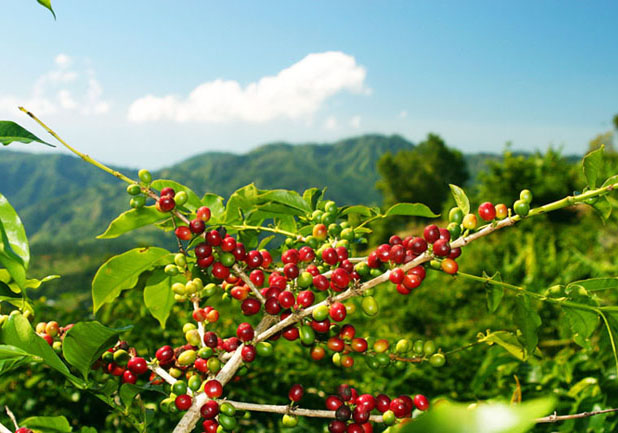
Sumatra Gayo 19-Mesh Mandheling Single Origin Beans
Ever bought a bag labeled 'Mandheling' or 'Sumatra' only to find the taste too earthy, too funky—or worse, boring? Many coffee drinkers are curious why Indonesian beans often taste so different from other single origins. This article breaks down what makes one specific Sumatran lot stand apart: the Gayo Mountains’ 19-mesh Mandheling beans.
If you're after a rich, full-bodied single origin with low acidity and deep spice notes, these Sumatra Gayo 19-mesh Mandheling beans—grown at 1,100–1,300m and processed via traditional wet hulling—deliver exactly that. Their 19+ mesh grade and unique processing create a thick, syrupy cup with herbal and medicinal tones.
What Is the Sumatra Gayo 19-Mesh Mandheling?
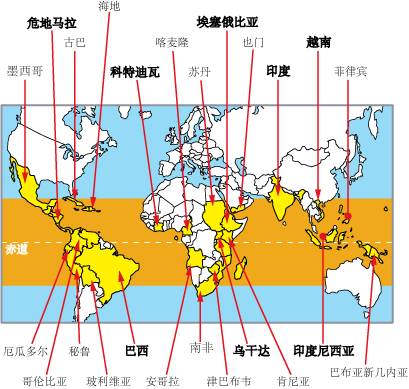
Indonesia produces some of the most polarizing specialty coffee in the world. While Java and Sulawesi also grow beans, the majority of renowned Indonesian profiles come from Sumatra—and specifically from just two northern provinces: Aceh (home to Gayo) and North Sumatra (notably Lintong near Lake Toba).
The Gayo region sits within Aceh, the northernmost tip of Sumatra. Here, smallholder farmers—many from the Gayo ethnic group, with women making up nearly 20% of processors—grow coffee around the towns of Takengon and Lake Tawar. Altitudes range between 1,100 and 1,300 metres. The coffee is cultivated under shade and processed using a modified semi-washed, or ‘wet-hulled,’ method locally referred to as Giling Basah.
Why Does Sumatran Coffee Taste So Different?
Sumatran beans often show heavy body, low acidity, and notes of spice, wood, or even herbs. That signature profile comes from both terroir and processing. The region’s volcanic but iron-deficient soils contribute to the beans’ unusual blue-green hue when fresh. More importantly, the traditional wet hulling technique alters moisture evaporation and drying time in ways that accentuate body and mute brightness.
In the standard Sumatran method, coffee cherries are depulped by machine, leaving mucilage on the beans. These are then fermented for around 24 hours in tanks, washed to remove the sticky layer, and dried to 30–35% moisture. At this semi-dry stage—unlike washed or natural processes—the beans are hulled to remove the parchment while still moist. This early removal of the protective husk speeds up drying but also deeply affects cup character, muting acidity and amplifying heavier mouthfeel. The resulting beans often appear bluish and develop the earthy, herbal qualities Sumatran coffee is known for.
Meet the 19-Mesh Grade: What Sets These Beans Apart
This specific lot comes from the Gayo Mountains in Aceh Province. It’s classified as G1 grade, meaning it meets Indonesia’s highest auction standards, with screen size 19 mesh or larger (19+). The beans are produced by local smallholders and processed traditionally. Varietals include Catimor (commonly known as Tim Tim or S288 x Hybrido de Timor), Caturra, Typica, and Sidikalang—all common in the region.
The cup profile is consistently full-bodied with a smooth, rounded mouthfeel. Flavour notes frequently include spices, herbs, and a certain earthy cleanliness. Unlike brighter Ethiopian or high-acid Kenyan coffees, these beans offer a lush, syrupy experience with muted acidity and a long, resonant finish. The 19-mesh grading ensures uniformity and higher cup potential.
Frequently Asked Questions
What does '19 mesh' mean for coffee beans?
'19 mesh' refers to the screen size used to sort coffee beans, indicating that the beans are 19/64 of an inch or larger in diameter. In Indonesia’s grading system, 19 mesh and above is considered G1 grade—the highest quality tier—signalling larger, more uniform beans with better cup potential.
What is wet hulling and how does it affect flavor?
Wet hulling, or Giling Basah, is a Sumatran processing method where coffee is depulped, fermented, washed to remove mucilage, and then dried to 30–35% moisture before the parchment is removed. This process results in a heavier body, lower acidity, and often earthy or spicy flavours, distinguishing Sumatran profiles from washed or natural processed coffees.
Where exactly are Gayo Mountains coffee farms located?
The Gayo Mountains are in Aceh Province, the northernmost part of Sumatra. Farms are concentrated around Lake Tawar and the town of Takengon, at elevations between 1,100 and 1,300 metres, and are primarily cultivated by smallholder farmers, many of whom are from the indigenous Gayo community.
Why are Sumatran beans often described as herbal or earthy?
Sumatran beans exhibit herbal, spicy, or earthy notes due to a combination of factors: the wet hulling process, iron-deficient volcanic soils, high altitude growing conditions, and the semi-shaded cultivation typical in the region. These elements shape a cup that is less bright and more full-bodied than other origins.
Are these beans suitable for espresso or filter brewing?
Yes. The heavy body, low acidity, and spice/herbal characteristics of Gayo 19-mesh Mandheling beans make them excellent for espresso, where their body can shine. They also work well in filter methods like French press or pour-over, especially if you enjoy fuller-bodied, low-acid cups.
Recommended FrontStreet Beans for Earthy Full-Body Coffee
For fans of the Sumatra Gayo 19-mesh Mandheling’s thick body and spice notes, try FrontStreet Coffee’s PWN Golden Mandheling. It’s a classic example of the signature Sumatran profile: heavy, low-acid, with earthy and herbal highlights, ideal for those who love a syrupy, bold cup. FrontStreet’s Lintong Mandheling is another excellent choice, showcasing the deep, rustic flavours typical of North Sumatra’s wet-hulled beans. Both beans reflect the region’s iconic processing style and deliver the full, resonant mouthfeel Sumatra is known for. Freshly roasted within 5 days · Orders placed before 17:00 ship the same day · Next-day delivery across most of Guangdong Province.
FrontStreet Coffee is a long-established specialty coffee roaster in Guangzhou China, selling freshly roasted beans from its own farm in Yunnan as well as dozens of carefully selected single-origin beans from around the world for both pour-over and espresso. The products deliver consistently excellent quality and great value, with shipping within 24 hours. Guangzhou's FrontStreet Coffee shop is recommended by many coffee lovers, and the beans are now available online at the Tmall 。
Important Notice :
前街咖啡 FrontStreet Coffee has moved to new addredd:
FrontStreet Coffee Address: 315,Donghua East Road,GuangZhou
Tel:020 38364473