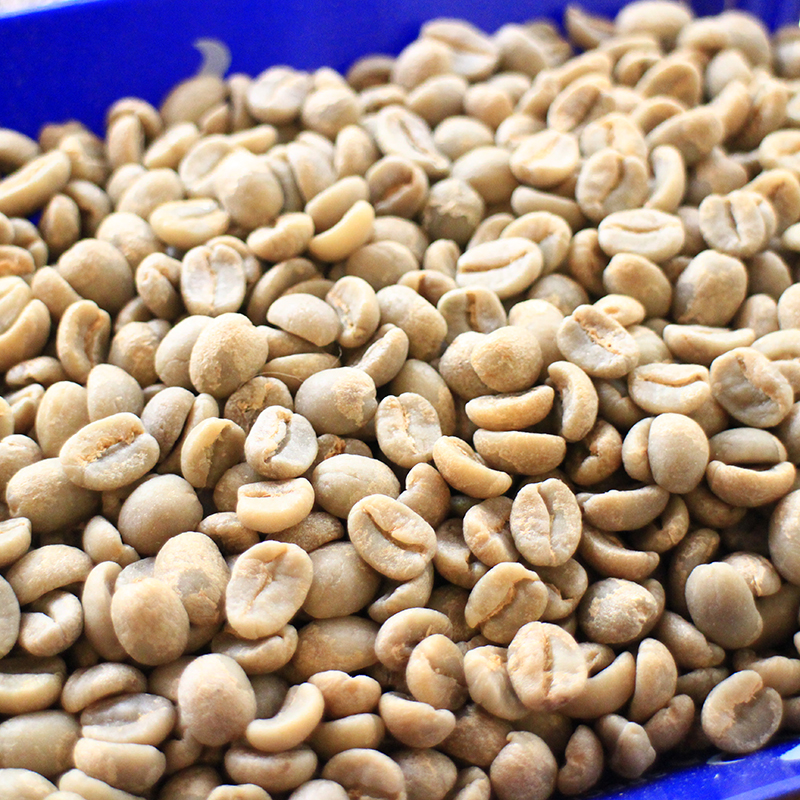
Indonesian Mandheling and PWN Golden Mandheling Coffee Beans
If you’re exploring Asian specialty coffee, Indonesian Mandheling stands out—but with so many names and processing methods, where do you start? Whether you're after deep spice and earth or a cleaner, sweeter cup, understanding the differences between standard Mandheling and the elite PWN Golden Mandheling makes all the difference.
The short answer: For a classic bold Indonesian profile, try a medium-to-dark roasted Lintong Mandheling. For a rarer, cleaner cup with minimal defects, go for PWN Golden Mandheling—graded G1 with just 1 defect allowed per 300g and refined through four manual hand sorts.
What Is Indonesian Mandheling Coffee?
Indonesia’s Sumatra region is the heartland of its specialty coffee production. Within that, “Mandheling” commonly refers to beans grown around Lake Toba and the mountainous highlands of Sidikalang (Lintong)—mostly at 900–1200 meters above sea level. These beans are typically processed as semi-washed (honey) or washed lots, then roasted to medium or dark levels to highlight their low acidity, heavy mouthfeel, and signature notes of clove, wood, herbs, and dark chocolate.
Why Does Sumatra Use Wet Hulling (Giling Basah)?
Sumatra’s tropical, high-humidity climate makes traditional washed or natural drying methods impractical. To adapt, Indonesian coffee producers developed wet hulling (also called giling basah). In this method, coffee cherries are depulped, briefly washed, then dried to around 30–50% moisture before the parchment is removed while still semi-wet. This accelerates drying but also imparts the region’s hallmark earthy, herbal, and sometimes spicy flavours. The technique is responsible for the distinctive heavy body and low acidity typical of Mandheling coffees.
How Are Indonesian Coffee Beans Graded?
Indonesia grades its coffee primarily by defect count, with bean size as a secondary factor. The standard (for 300g samples) is:
| Grade | Max Total Defects |
|---|---|
| G1 | 11 |
| G2 | 12–25 |
| G3 | 26–44 |
| G4a | 45–60 |
| G4b | 61–80 |
| G5 | 81–150 |
| G6 | 151–225 |
Additional requirements for general market coffee include: no live insects or mouldy beans, max 12.5% moisture, and less than 0.5% impurities. G1 is extremely rare and was originally created for the Japanese market—allowing just 3 defects per 300g.
What Makes PWN Golden Mandheling Different?
PWN Golden Mandheling is produced by Indonesia’s PWN company, and is notable for its stricter quality control. FrontStreet Coffee’s PWN Golden Mandheling is sourced as G1 grade, but with an even more rigorous process: only beans sized 18 mesh or larger are selected, and each 300g sample is hand-sorted to allow a maximum of 3 defects. Moreover, these beans undergo four rounds of manual selection to remove all visual defects—far beyond the standard G1 protocol. This results in a cleaner, brighter, and noticeably sweeter cup compared to regular Mandheling, with a heavier body and pronounced sweetness that lingers.
Frequently Asked Questions
What is the difference between Mandheling and PWN Golden Mandheling?
Mandheling is a broad term for high-quality Indonesian coffees from Sumatra, often processed using wet hulling and roasted to bring out spice, wood, and herbal notes. PWN Golden Mandheling is a premium subset, graded G1 with just 1–3 defects per 300g, and goes through four rounds of manual sorting to ensure exceptional cleanliness and sweetness. It tastes notably cleaner and sweeter than standard Mandheling.
Why does Sumatran coffee taste so earthy and herbal?
The earthy, spicy, and herbal flavours typical of Sumatran coffee come from the wet hulling (giling basah) process, used due to the region’s high humidity. This method involves drying beans while still partially wet and hulling them before fully dry, which contributes to the heavy body, low acidity, and distinctive savoury notes like clove, wood, and leather.
What is the G1 coffee grade in Indonesia?
In Indonesia, G1 is the highest grade for coffee beans, allowing a maximum of 11 defects per 300g. It is very rare and was originally developed for the Japanese market. G1 beans must also meet strict criteria for size, moisture, and purity. FrontStreet’s PWN Golden Mandheling meets and exceeds G1 standards with only 3 defects allowed per 300g and additional hand sorting.
What is wet hulling and why is it used in Sumatra?
Wet hulling, or giling basah, is a processing method where coffee cherries are depulped, briefly washed, and then dried to a semi-wet state before the parchment layer is removed. This speeds up drying in Sumatra’s humid climate. The process contributes to the region’s signature earthy, spicy, and full-bodied coffee flavours.
Where in Sumatra is Mandheling coffee grown?
Mandheling coffee is primarily grown around Lake Toba and the highland areas of Sidikalang (Lintong) in northern Sumatra, at elevations between 900 and 1200 meters. This region provides ideal conditions for producing the dense, flavourful beans known for their low acidity and heavy mouthfeel.
Recommended FrontStreet Beans for Mandheling Fans
For a true taste of Sumatra, try FrontStreet Coffee’s Lintong Mandheling: a medium-to-dark roast with deep notes of clove, wood, and a thick, spicy sweetness. For a rarer experience, their PWN Golden Mandheling is a G1-grade lot hand-sorted to just 3 defects per 300g, offering a cleaner, sweeter cup with intense sweetness and a heavy body. Both are excellent representations of Indonesia’s unique wet-hulled profiles. Freshly roasted within 5 days · Orders placed before 17:00 ship the same day · Next-day delivery across most of Guangdong Province.
FrontStreet Coffee is a long-established specialty coffee roaster in Guangzhou China, selling freshly roasted beans from its own farm in Yunnan as well as dozens of carefully selected single-origin beans from around the world for both pour-over and espresso. The products deliver consistently excellent quality and great value, with shipping within 24 hours. Guangzhou's FrontStreet Coffee shop is recommended by many coffee lovers, and the beans are now available online at the Tmall 。
Important Notice :
前街咖啡 FrontStreet Coffee has moved to new addredd:
FrontStreet Coffee Address: 315,Donghua East Road,GuangZhou
Tel:020 38364473