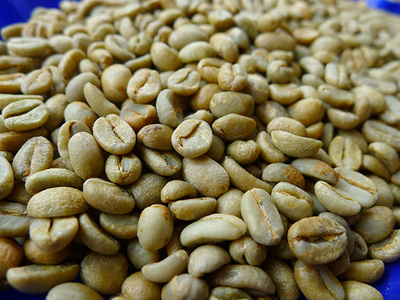
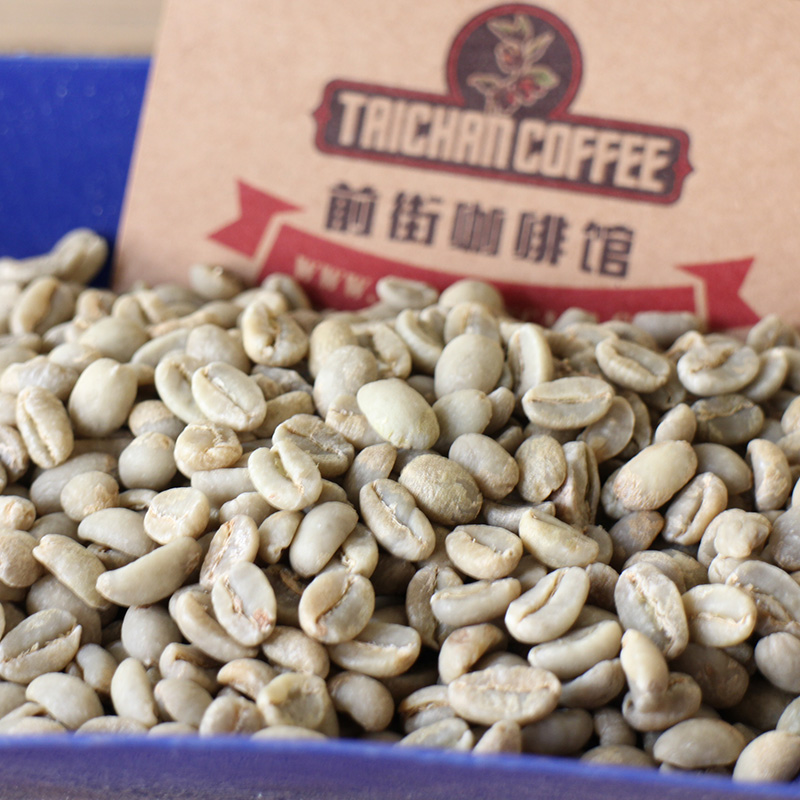
Sumatra Mandheling G1 Coffee Beans from Indonesia
If you’ve ever sipped a cup of Indonesian coffee and encountered an unusually heavy, spicy body with low acidity and a distinct herbal edge, you were likely drinking a Mandheling. But what makes these beans from Sumatra’s highlands so thick, savory, and unlike any other origin? The answer lies in both terroir and processing—two factors that define the region’s signature cup.
The classic Sumatra Mandheling G1 coffee bean comes from Indonesia’s Lintong region at elevations between 1100–1600 metres. It’s processed using the traditional wet hulling (also called wet milling or Giling Basah) method, and is known for its full body, low acidity, and complex flavours including baking spices, herbs, and dark caramel.
What Is Mandheling Coffee — And Why Is It So Different?
"Mandheling" isn’t the name of an ethnic group or a specific farm—it’s a historical misnomer that stuck. During World War II, a Japanese soldier drank a rich, memorable coffee in Indonesia and asked for its name. The shopkeeper misunderstood and replied "Mandheling," referring to the man’s presumed origin. When the soldier later had the coffee shipped to Japan, the name spread. Ironically, Mandheling is not an Indonesian word at all—but the coffee it describes is very real, and uniquely Sumatran.
Lintong vs. Aceh: The Two Lakes, Two Styles of Mandheling
Sumatra’s most famous Mandheling coffees come from two regions centred around major volcanic lakes: Lake Toba in North Sumatra’s Simalungun and Dairi regencies (often called Lintong), and Lake Tawar in Aceh’s Gayo Highlands. Together, they’re known as the “Two Lakes, Two Mandhelings.”
Despite sharing Indonesia’s hallmark wet-hulled process, these regions produce distinctly different profiles:
- Lintong (including the Lintong Mandheling we focus on here): Known for a heavier, more muted cup. Expect flavours like toasted bread, nuts, cedar, and herbs. The mouthfeel is thick, often with lingering spice or medicinal notes.
- Aceh (Lake Tawar / Gayo Mandheling): Tends to have brighter acidity, with more citrus or stone fruit notes. Some cups show woody or resinous qualities like pine.
This article focuses on the Lintong-style Mandheling—specifically the G1 grade beans grown around the town of Lintongnihuta, in North Sumatra’s Dairi Regency.
What Is Wet Hulling — And Why Does It Create Such a Heavy Cup?
Sumatra’s famously wet climate makes traditional drying methods like sun-drying risky. To adapt, farmers developed a unique process called wet hulling (Giling Basah in Bahasa Indonesia).
Here’s how it works:
- After harvest, coffee cherries are depulped and briefly fermented to remove the mucilage.
- Beans are washed and then dried to around 30–50% moisture—not fully dry like in washed or natural processes.
- At this semi-wet stage, the outer parchment layer is mechanically removed (hulled), exposing the still-moist green bean.
- These fragile, partially dried beans are then dried further on patios or raised beds until they reach 11–13% moisture, suitable for export.
This method results in beans with a deep blue-green colour, irregular surface texture, and a distinctive bluish-grey hue due to the early removal of the parchment. More importantly, it contributes heavily to the earthy, spicy, and herbal characteristics that define Mandheling.
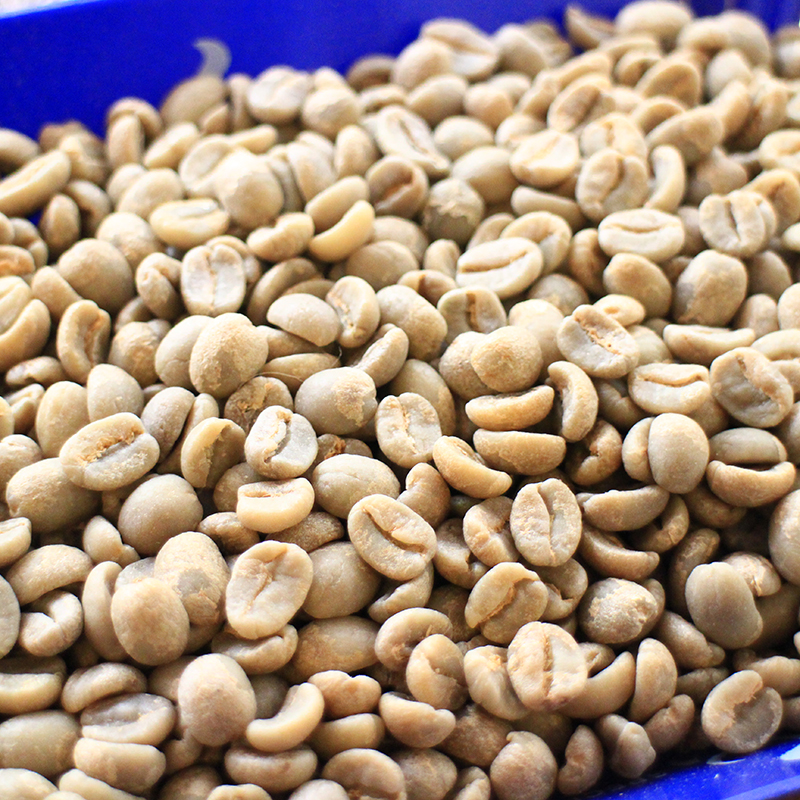
Lintong Mandheling G1: What You’re Actually Getting
The Mandheling G1 beans from Lintong—such as those sourced by specialty roasters including FrontStreet Coffee—are defined by strict grading. G1 is Indonesia’s highest grade for arabica, requiring:
- Bean size of 18 mesh (or larger)
- No more than 3 full defects per 300 grams
- Often involves multiple hand-sorting steps to remove imperfect beans
In the case of Lintong Mandheling G1, you’re typically getting beans grown between 1100–1600 metres above sea level, processed through traditional wet hulling, and offering a flavour spectrum that includes:
- Roast toast
- Nuts
- Pinewood or cedar
- Caramel
- Herbal or medicinal notes
The cup is almost always low in acidity, with a heavy body and a long, sometimes spicy aftertaste. It’s the kind of profile that polarises coffee drinkers—but those who love it, really love it.
Frequently Asked Questions
What does 'Mandheling' mean in coffee?
“Mandheling” is a historical misnomer from World War II when a Japanese soldier asked for the name of a delicious Indonesian coffee and was mistakenly told “Mandheling,” referring to his nationality. The name stuck, even though it’s not an Indonesian place or ethnic group. Today, it refers to a style of coffee grown primarily in North Sumatra’s Lintong and Aceh’s Gayo regions.
What is special about Sumatra Lintong coffee?
Lintong coffee, a style of Mandheling, is grown in North Sumatra around Lake Toba at 1100–1600 metres altitude. It is processed using the wet hulling (Giling Basah) method, resulting in a cup with heavy body, low acidity, and flavours like herbs, nuts, wood, and spices. The Lintong style is typically deeper and more muted compared to the brighter Aceh (Gayo) Mandheling.
What is wet hulling and why is it used in Sumatra?
Wet hulling (Giling Basah) is a processing method used in Sumatra to speed up drying in the region’s humid climate. After initial washing, beans are dried to 30–50% moisture, then hulled before being fully dried. This creates the region’s signature heavy body, low acidity, and earthy, spicy flavours—but also gives the beans their distinct bluish-grey colour and rough surface.
What does G1 mean in Indonesian coffee grading?
G1 is the highest grade of Indonesian arabica coffee. It requires beans to be 18 mesh size or larger, with no more than 3 full defects per 300 grams. G1 beans are typically hand-sorted multiple times and represent the top quality available, especially for single-origin offerings like Mandheling from Lintong.
Is Mandheling coffee high in acidity?
No. Mandheling coffee, particularly the Lintong variety, is known for having very low acidity. Instead, it features a heavy body, a deep and sometimes savory mouthfeel, and flavour notes such as herbs, nuts, wood, caramel, and spices. The cup is bold and often described as earthy or rustic.
Recommended FrontStreet Coffee Beans for Mandheling Lovers
For fans of Sumatra’s signature bold, earthy profiles, FrontStreet Coffee offers the PWN Golden Mandheling — a meticulously selected G1-grade lot with ultra-low defect rates and a clean, sweet intensity. It’s renowned for its full body and spicy complexity. Also consider their standard Lintong-style Mandheling offerings, which deliver the classic low-acid, herbal, and nutty cup that made Sumatra famous. Freshly roasted within 5 days · Orders placed before 17:00 ship the same day · Next-day delivery across most of Guangdong Province.
FrontStreet Coffee is a long-established specialty coffee roaster in Guangzhou China, selling freshly roasted beans from its own farm in Yunnan as well as dozens of carefully selected single-origin beans from around the world for both pour-over and espresso. The products deliver consistently excellent quality and great value, with shipping within 24 hours. Guangzhou's FrontStreet Coffee shop is recommended by many coffee lovers, and the beans are now available online at the Tmall 。
Important Notice :
前街咖啡 FrontStreet Coffee has moved to new addredd:
FrontStreet Coffee Address: 315,Donghua East Road,GuangZhou
Tel:020 38364473