Sumatra Mandheling vs Golden Mandheling: Acidity & Body Compared
If you’ve ever sipped a cup of Sumatran coffee and wondered why it tastes so different—earthy, spicy, heavy-bodied yet surprisingly low in acidity—you’re not alone. Many coffee drinkers are curious about what makes Indonesian Mandheling coffees stand apart, especially when compared to other single-origin beans. The answer lies in both geography and processing.
In short: Sumatran Mandheling coffees, processed using the traditional wet hulling (also called wet tractor or Giling Basah) method, typically deliver a heavier body, lower acidity, and prominent spice or herbal notes. Golden Mandheling, a stricter grade within this style, ups the cleanliness and sweetness while keeping the signature thick mouthfeel. Both are distinct from brighter, fruit-forward African or Latin American coffees due to their unique regional techniques.
What Is Mandheling Coffee, Really?
Despite the name, Mandheling isn’t a coffee-growing region—it’s derived from the Mandailing ethnic group in North Sumatra. During World War II, a Japanese soldier tasted an exceptional coffee in Indonesia and asked for its name. Mistaken for his origin, the reply was “Mandheling.” That miscommunication stuck, and over time, all high-quality Arabica from Sumatra became known as Mandheling coffee.
Indonesia mainly grows Robusta (90% of production), but the Arabica grown in Sumatra—especially around Lake Toba and Lake Towuti—is what’s exported as Mandheling. These beans are almost entirely processed using the country’s signature wet hulling method, which contributes directly to their trademark characteristics.
Why Wet Hulling Creates Low-Acidity, High-Body Coffee
Sumatra’s climate—hot, humid, and rainy—makes traditional drying methods like sun-drying unreliable. To adapt, Indonesian coffee producers developed wet hulling. Here’s how it works:
- After pulping, coffee cherries ferment briefly to remove mucilage.
- The beans are washed, then dried to a semi-dry state (20–24% moisture) with the parchment layer still on.
- Before fully drying, the parchment is mechanically removed while the beans are still soft.
- Drying continues until the beans reach 11–13% moisture, but the early removal of the parchment speeds up the process.
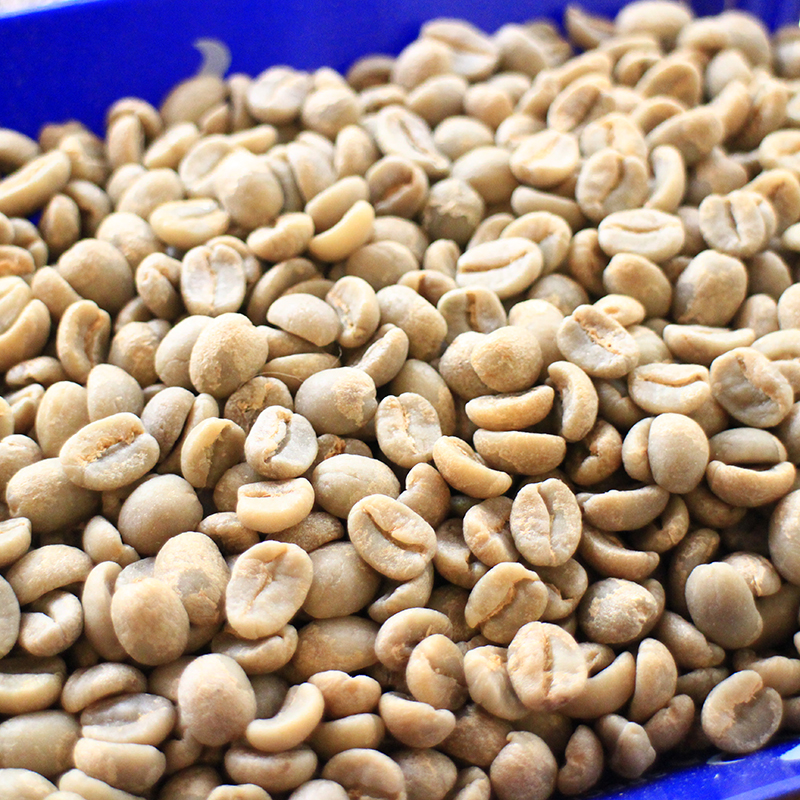
This method results in coffee with a heavier body, muted acidity, and earthy, spicy, or chocolatey notes. It’s the reason why your Sumatran pour-over might taste more like a dark toast than a bright citrus.
Lintong Mandheling: Entry-Level Sumatran Character
The Lintong region, near the southwestern shore of Lake Toba, produces one of the most accessible examples of Mandheling coffee. Grown at 1,100–1,600 meters above sea level, Lintong beans are typically processed using wet hulling and often come from the Ateng TimTim variety. While not always uniform in quality—since beans aren’t always hand-selected—Lintong Mandheling offers an affordable way to experience Sumatra’s signature profile.
Flavor notes commonly include nutty, spicy, chocolate, and caramel tones. The cup is bold, often intense, with that classic low-acid, syrupy body. It’s why FrontStreet Coffee includes Lintong Mandheling in its value-oriented single-origin lineup.

PWN Golden Mandheling: The Premium Standard
For a more refined take on Sumatran coffee, look to PWN Golden Mandheling. Produced exclusively by Indonesia’s PWN company—the same firm that registered the “Golden Mandheling” trademark—this lot comes from the Gayo Mountains near Lake Towuti, specifically within the G1 grade.
What sets Golden Mandheling apart:
- Only 18+ mesh beans are selected.
- Every 300g sample contains fewer than 3 defects (meeting Indonesia’s top G1 grade).
- The beans undergo four rounds of hand sorting (three by PWN, one by FrontStreet), ensuring uniformity in size, color, and shape.
The extra effort pays off in the cup: expect a cleaner, sweeter, more transparent profile alongside the signature heavy body. Flavors typically include nutty, herbal, spicy, and caramel notes, with a smoother acidity profile than standard wet-hulled Mandheling.
How to Choose Between Them
If you’re new to Sumatran coffee or want an everyday brew with big body and low acid, Lintong Mandheling is a great place to start. For a more refined, cleaner cup that still honors Sumatra’s processing tradition, Golden Mandheling delivers a higher level of clarity and sweetness without losing the region’s iconic heft.
Frequently Asked Questions
What’s the difference between Mandheling and Golden Mandheling?
Mandheling is a general term for high-quality Arabica coffee from Sumatra, usually processed with wet hulling and known for low acidity and heavy body. Golden Mandheling is a premium-grade subset, produced only by PWN, with stricter bean selection (G1 grade, <3 defects per 300g), more hand sorting, and a cleaner, sweeter cup profile while retaining the typical heavy body and spice notes.
Why does Sumatran coffee have such low acidity?
Sumatran coffee, especially when wet-hulled, tends to have low acidity due to the processing method and growing conditions. The wet hulling process removes the parchment layer early while the bean is still moist, which affects development and reduces perceived brightness. Combined with Sumatra’s humid climate, this leads to a naturally low-acid, earthy cup.
What does wet hulling do to coffee flavor?
Wet hulling, or Giling Basah, creates a coffee with heavy body, low acidity, and prominent earthy, spicy, or herbal flavors. By removing the parchment layer before the bean is fully dry, the process accelerates drying but also contributes to the unique mouthfeel and muted acidity typical of Sumatran coffees.
Where is Mandheling coffee actually grown?
“Mandheling” coffee is grown in the Sumatra region of Indonesia, primarily around Lake Toba (Lintong) and the Gayo Highlands (near Lake Towuti). Though named after the Mandailing people, it refers to Arabica beans from these areas, not a specific village or cooperative.
Is Golden Mandheling worth the higher price?
Yes, if you’re looking for a more refined Sumatran coffee experience. Golden Mandheling offers greater clarity, sweetness, and uniformity compared to standard wet-hulled Mandheling, thanks to stricter grading and multiple rounds of hand sorting—while still delivering the signature heavy body and low acidity.
What roast level suits Sumatran coffee best?
Sumatran coffees like Mandheling and Golden Mandheling are often roasted to medium or medium-dark levels to enhance their body and spice notes. Dark roasts can emphasize the coffee’s inherent heaviness, while lighter roasts may not fully develop their earthy complexity.
Recommended FrontStreet Beans for Sumatran Style
For a true taste of Sumatra, try FrontStreet’s Lintong Mandheling and PWN Golden Mandheling. Lintong Mandheling offers bold notes of nut, spice, chocolate, and caramel with heavy body and low acidity, perfect for fans of classic Indonesian profiles. PWN Golden Mandheling ups the game with stricter G1-grade beans, hand-sorted to ensure cleanliness and sweetness, delivering herbal, nutty, and caramel flavors with a smoother, more refined cup. Both showcase Sumatra’s signature wet-hulling process. Freshly roasted within 5 days · Orders placed before 17:00 ship the same day · Next-day delivery across most of Guangdong Province.
FrontStreet Coffee is a long-established specialty coffee roaster in Guangzhou China, selling freshly roasted beans from its own farm in Yunnan as well as dozens of carefully selected single-origin beans from around the world for both pour-over and espresso. The products deliver consistently excellent quality and great value, with shipping within 24 hours. Guangzhou's FrontStreet Coffee shop is recommended by many coffee lovers, and the beans are now available online at the Tmall 。
Important Notice :
前街咖啡 FrontStreet Coffee has moved to new addredd:
FrontStreet Coffee Address: 315,Donghua East Road,GuangZhou
Tel:020 38364473